

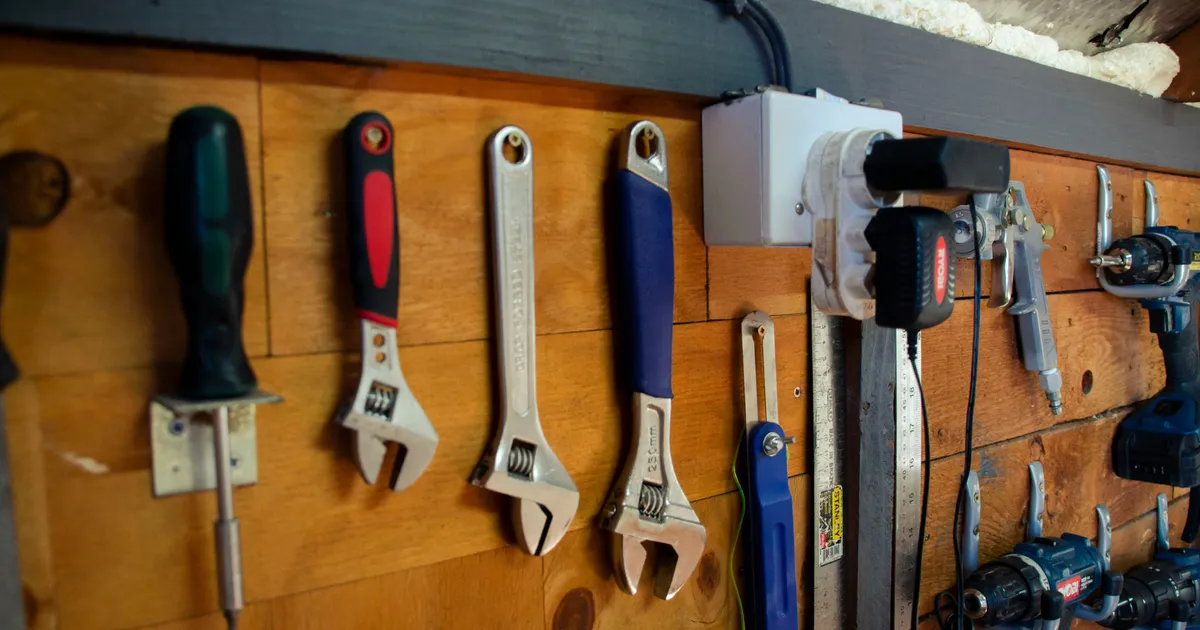

I still remember the first time I faced a dripping kitchen faucet, armed with nothing but a butter knife and a prayer. It was a disaster, of course, leading to a frantic call to a plumber and a hefty bill. That humbling experience taught me a crucial lesson: having the right tools, even basic ones, can save you immense frustration and money. For anyone looking to tackle common household issues without breaking the bank, identifying the best affordable tools for home fixing is the first step toward self-sufficiency. You don’t need a professional workshop to handle most minor repairs; a carefully curated, budget-friendly toolkit is often all it takes to maintain your sanctuary and keep things running smoothly.
The Mighty Multitool & Basic Hand Tools
Every home repair journey begins with a solid foundation of basic hand tools. Forget those intimidating, oversized tool chests; a compact set of essentials is far more effective for daily fixes. We’re talking about screwdrivers – both Phillips and flathead – in a couple of sizes, a pair of reliable pliers (combination and needle-nose), and an adjustable wrench. These aren’t fancy, but their utility is unparalleled, allowing you to tighten loose screws, grip stubborn nuts, or bend wires with ease. Think of them as the unsung heroes of your DIY arsenal, always ready for action without demanding a significant investment.
My personal go-to for quick fixes is often a well-made multitool, which combines many of these functions into one portable device. While not a replacement for full-sized tools for heavy-duty tasks, a good quality multitool can handle countless small jobs around the house, from opening packages to tightening a bicycle seat. When selecting individual hand tools, prioritize comfort and durability over brand names. Ergonomic handles make a surprising difference during prolonged use, and carbon steel construction ensures they’ll withstand years of enthusiastic application. These foundational pieces are the backbone of any practical home fixing kit for 2026 and beyond.
The Indispensable Claw Hammer
No discussion of basic hand tools would be complete without highlighting the claw hammer. This seemingly simple tool is a powerhouse, primarily for driving and removing nails. However, its versatility extends to light demolition, prying open stuck windows, or even gently tapping components into place. When choosing one, look for a comfortable grip and a head weight that feels balanced in your hand – typically 16 to 20 ounces is ideal for general home use. A good claw hammer is a lifetime investment, often costing less than a single emergency repair call.
Essential Measuring and Leveling Gear
Accuracy is paramount in home repairs, and without proper measuring and leveling tools, even the simplest project can go awry. A good retractable tape measure, ideally 25 feet long with both imperial and metric markings, is non-negotiable. Look for one with a robust case and a strong lock to prevent accidental retraction mid-measurement. Complement this with a spirit level, preferably around 24 inches, to ensure shelves are straight, pictures hang evenly, and appliances are perfectly aligned. You’d be surprised how often a slightly off-kilter element can detract from the overall aesthetic or even functionality of a repair.
Beyond the basics, a smaller torpedo level is incredibly handy for tight spaces or when working on smaller items. For those venturing into more complex projects, a combination square offers unparalleled precision for marking and measuring angles, which is critical in carpentry or framing tasks. These tools don’t just help you fix things; they help you fix them right. Investing in quality measuring tools ensures that your efforts are not only effective but also aesthetically pleasing, saving you from having to redo work due to crooked lines or mismatched dimensions. Check out reputable DIY guides like DIY Network for more insights on precise measurements.
Cutting Through the Clutter with Precision
From opening packages to cutting insulation, a variety of cutting tools are essential for home fixing. A reliable utility knife with replaceable blades is a workhorse, perfect for scoring drywall, trimming carpet, or opening stubborn boxes. Always opt for models with a sturdy locking mechanism for safety. Beyond that, a decent pair of snips or heavy-duty scissors can tackle everything from cutting wire ties to trimming fabric. These tools are often overlooked but become indispensable the moment you need to sever something cleanly and precisely.
For more substantial tasks, a small hand saw, specifically a jab saw for drywall or a fine-toothed saw for trim work, can be a lifesaver. You don’t need a power saw for every little cut. Manual saws offer control and are far more affordable, making them perfect for occasional use. The key is to match the saw to the material; using the wrong blade can lead to frustration and poor results. Always remember to cut away from your body and wear appropriate safety gear when using any cutting tool, ensuring your projects are completed safely and efficiently.
Powering Up: The Cordless Drill/Driver
If there’s one power tool every homeowner should consider, it’s a cordless drill/driver. This versatile machine is a game-changer for assembling furniture, hanging shelves, drilling pilot holes, and driving screws with incredible speed and efficiency. The “cordless” aspect provides unparalleled freedom of movement, allowing you to work anywhere without hunting for an outlet. Look for a model with decent battery life (lithium-ion is preferred) and variable speed settings, which offer better control for different materials and tasks. A good set of drill bits and driver bits is also a must-have companion.
While some high-end models can be pricey, many excellent affordable options exist that provide ample power for most home DIY projects. Don’t fall for the trap of buying the most expensive, most powerful drill if you’re only using it for occasional tasks. A 12V or 18V drill from a reputable brand will serve you well. By 2026, battery technology has advanced significantly, offering longer runtimes and quicker charging cycles. This tool truly elevates your home fixing capabilities, making daunting tasks feel manageable and saving your wrists from manual screwdriving fatigue. For safety, always refer to guidelines from experts like those at OSHA for proper tool usage.
Safety First and Smart Storage
No toolkit, no matter how affordable or comprehensive, is complete without essential safety gear. A pair of durable work gloves protects your hands from splinters, cuts, and abrasions. Safety glasses are non-negotiable for any task involving drilling, cutting, or hammering, shielding your eyes from flying debris. A basic dust mask is also wise for sanding or working in dusty environments. These items are inexpensive but provide invaluable protection, ensuring your home fixing endeavors don’t end with an avoidable trip to the emergency room.
Finally, investing in smart storage is just as important as the tools themselves. A simple toolbox or tool bag keeps your affordable tools organized, protected, and easily accessible. There’s nothing more frustrating than needing a specific screwdriver only to find it buried under a pile of junk or, worse, lost somewhere in the garage. An organized kit not only saves time but also extends the life of your tools, preventing damage and rust. Keeping your tools clean and in their designated spots ensures they are ready for the next unforeseen home repair challenge.
Key Takeaways
- Start with Core Essentials: Prioritize basic hand tools like screwdrivers, pliers, an adjustable wrench, and a claw hammer. These form the indispensable foundation of any effective home repair kit and handle a majority of common issues without significant investment.
- Accuracy is Non-Negotiable: Invest in quality measuring and leveling tools such as a tape measure and a spirit level. Precise measurements prevent costly mistakes and ensure professional-looking results for all your DIY projects.
- Embrace Smart Power Solutions: A cordless drill/driver is the single most impactful power tool for homeowners, offering versatility for drilling and fastening tasks. Opt for a mid-range model with good battery life for excellent value and performance.
- Prioritize Safety and Organization: Always include safety glasses, work gloves, and a dust mask in your toolkit. Additionally, a dedicated toolbox or bag is crucial for keeping your tools organized, protected, and ready for immediate use, extending their lifespan.
Frequently Asked Questions
What are the absolute minimum tools I need to start?
For absolute beginners, I recommend a basic set including a Phillips head screwdriver, a flathead screwdriver, a pair of slip-joint pliers, an adjustable wrench, a claw hammer, a tape measure, and a utility knife. This foundational collection will equip you for most common household tasks and minor repairs, offering excellent value for a minimal initial outlay.
How can I tell if an affordable tool is good quality?
Look for tools made from durable materials like chrome vanadium steel for wrenches and sockets, or high-carbon steel for hammerheads. Check for comfortable, non-slip grips, sturdy construction with minimal wobble, and positive reviews from other DIYers. Often, mid-range brands offer an excellent balance of quality and affordability without the premium price tag of professional-grade tools.
Should I buy tools individually or in a kit?
For starting, an affordable basic toolkit can be a great value, providing a wide array of tools at a lower cost per item. However, I often find that buying individual tools for specific needs allows you to select higher quality for the tools you’ll use most frequently. A hybrid approach – starting with a basic kit and then upgrading or adding individual specialized tools as needed – often works best.
How do I maintain my affordable tools to make them last?
Proper maintenance is key to longevity. Always clean your tools after use, wiping off dirt, grease, or moisture to prevent rust. Store them in a dry place, ideally in a toolbox or on a pegboard, to protect them from elements and damage. Occasionally, apply a light oil to moving parts on pliers or wrenches. Sharp cutting tools should be stored safely to protect blades and hands.
Conclusion
Building a robust, affordable toolkit for home fixing isn’t about spending a fortune; it’s about making smart, informed choices. With the right selection of essential hand tools, measuring devices, cutting implements, and a versatile cordless drill, you’ll be well-prepared for almost any minor household repair that comes your way. Embrace the satisfaction of tackling projects yourself, knowing that your investment in these practical tools will pay dividends for years to come, empowering you to maintain your home confidently and efficiently.