

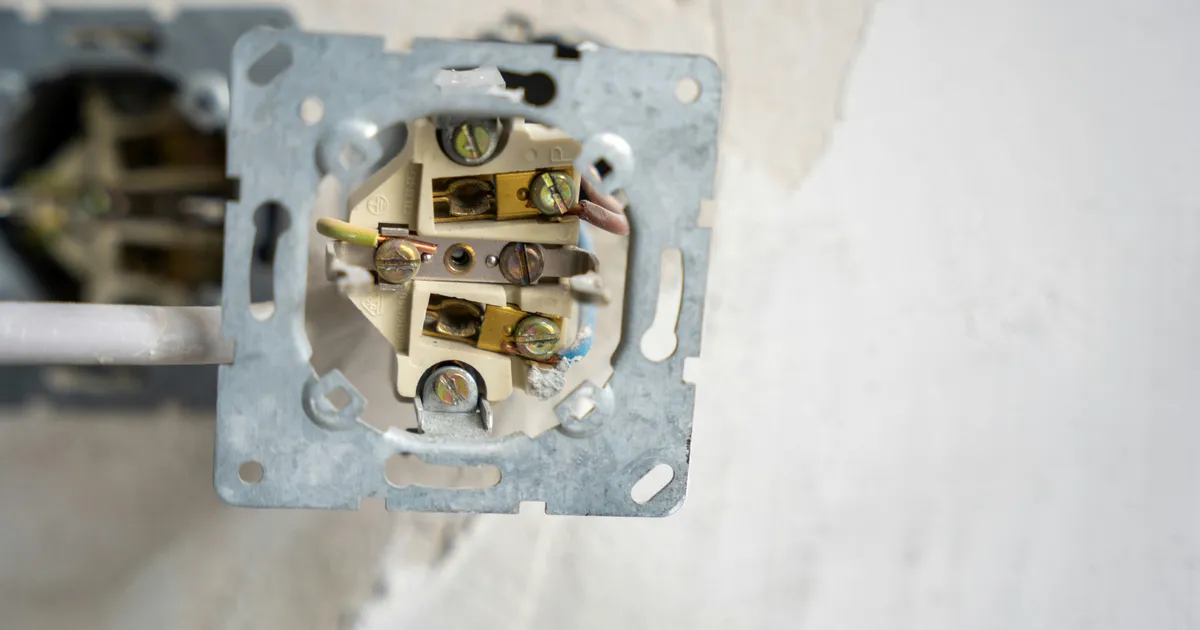

I still vividly remember the heart-stopping moment I accidentally brushed a live wire during my first attempt at a minor electrical repair. The jolt was thankfully minor, but it was a profound lesson in respect for electricity and the absolute necessity of rigorous safety protocols. That experience forged my conviction that while tackling home electrical issues like how to fix switch board issues and replace sockets safely at home can be incredibly empowering, it demands a meticulous, informed approach. This isn’t just about saving a few bucks; it’s about understanding the intricate dance of circuits and wires that power our lives, ensuring both functionality and, most critically, safety for your entire household.
Safety First: The Golden Rule of DIY Electrical Work
Before you even think about grabbing a screwdriver, your number one priority must be safety. This isn’t a suggestion; it’s an unbreakable law of home electrical repair. Always, and I mean always, turn off the power to the specific circuit you’ll be working on at your main breaker panel. Don’t rely on flipping a wall switch; that only controls the live wire. Then, use a reliable non-contact voltage tester to confirm that the circuit is indeed dead. Skipping this step is akin to playing Russian roulette with your well-being, and it’s a mistake no seasoned DIYer would ever make. Your life, quite literally, depends on it.
Beyond cutting the power, proper personal protective equipment (PPE) is non-negotiable. Insulated gloves, safety glasses, and even non-conductive shoes provide crucial layers of protection against unforeseen hazards. Understand your home’s electrical layout – know which breakers control which rooms or outlets. If you’re unsure, label them clearly. My personal take is that a little extra time spent on preparation and verification upfront saves a monumental amount of potential grief later. Never rush, never assume, and always prioritize the well-being of yourself and your family over getting the job done quickly. For comprehensive electrical safety guidelines, I highly recommend checking resources like the National Fire Protection Association (NFPA) website.
Diagnosing Common Switchboard Problems
Often, the most challenging part of electrical repair isn’t the fix itself, but accurately diagnosing the problem. Are your lights flickering intermittently? Do certain outlets refuse to power devices? Is there a subtle, persistent buzzing sound emanating from your switchboard? These are classic indicators of underlying issues, ranging from a simple loose connection to a more serious circuit overload or a failing component. It’s crucial to approach diagnosis systematically, isolating the problem to a specific area or device before attempting any repairs. Don’t just guess; observe, test, and deduce.
Many common switchboard issues stem from overloaded circuits, where too many high-power appliances are drawing current from a single line, causing breakers to trip. Loose connections, often due to expansion and contraction over time, can lead to intermittent power or arcing, which is a significant fire hazard. Faulty switches or worn-out sockets also contribute their fair share of headaches. My advice is to start with the simplest explanations and work your way up. For instance, if an outlet isn’t working, try plugging in a different device, then check the GFCI (Ground Fault Circuit Interrupter) if present, and finally, investigate the breaker. Understanding the basics of how your home’s circuit breakers function is paramount; resources like this Energy.gov guide on circuit breakers can be incredibly helpful.
Tools and Materials: Your DIY Electrical Arsenal
Equipping yourself with the right tools is half the battle when undertaking any electrical repair. You don’t need a full electrician’s kit, but certain essentials are non-negotiable. A reliable non-contact voltage tester is your first line of defense, ensuring circuits are dead. Insulated screwdrivers (both flathead and Phillips), wire strippers, needle-nose pliers, and a pair of sturdy lineman’s pliers are indispensable. Don’t skimp on quality here; cheap tools can strip screws, damage wires, or worse, compromise your safety. A good quality multi-meter can also be invaluable for precise voltage and continuity checks, particularly for more complex diagnostics.
When it comes to materials, knowing what to buy is just as important. For socket replacements, ensure you choose outlets with the correct amperage rating for the circuit – typically 15A or 20A for residential applications. Always opt for grounded (3-prong) outlets where possible, as they offer superior safety. Have a supply of electrical tape, wire nuts of various sizes, and perhaps some spare electrical wire on hand. Looking ahead to 2026, we’re seeing more smart home integration, so consider if you want to upgrade to USB-integrated or smart outlets during your replacement project. Always purchase materials from reputable hardware stores to ensure they meet safety standards.
Choosing the Right Replacement Socket
Selecting the appropriate replacement socket isn’t merely about aesthetics; it’s a critical safety and functionality decision. Standard residential sockets are usually either 15-amp or 20-amp, and it’s imperative to match the new socket’s rating to the circuit it’s connected to. Installing a 15-amp socket on a 20-amp circuit isn’t ideal, but installing a 20-amp socket on a 15-amp circuit is a major fire hazard if the circuit isn’t properly protected. Most modern homes utilize 3-pin (grounded) sockets for enhanced safety, and if you’re replacing an older 2-pin socket, it’s a great opportunity to upgrade, provided your wiring includes a ground wire.
Beyond amperage and grounding, consider the type of socket that best serves your needs. Do you want standard duplex outlets, or would a GFCI (Ground Fault Circuit Interrupter) outlet be more appropriate for wet areas like bathrooms or kitchens? Perhaps a tamper-resistant (TR) outlet for homes with small children, or a USB charging outlet for convenience? Each type serves a specific purpose, and understanding these distinctions ensures you make an informed choice that enhances both safety and utility in your home for years to come. Always ensure the new socket is compatible with your existing electrical box.
Step-by-Step Socket Replacement
Once the power is off and verified dead, and you have your new socket and tools ready, you can begin the replacement process. First, carefully remove the faceplate of the old socket. Then, unscrew the socket from the electrical box. Gently pull the old socket forward, revealing the wiring connections. Take a moment here to observe how the wires are connected – better yet, snap a quick photo with your phone for reference. Typically, you’ll see a black wire (live), a white wire (neutral), and a bare copper or green wire (ground). These are usually connected to brass, silver, and green screws respectively.
Carefully loosen the terminal screws on the old socket and disconnect the wires. If the wire ends appear damaged or corroded, use your wire strippers to trim off about half an inch of insulation, exposing fresh copper. Now, connect the wires to the new socket: black to the brass screw, white to the silver screw, and the ground wire to the green screw. Ensure each wire is securely wrapped clockwise around its respective screw terminal and tightened firmly. Loose connections are a common cause of arcing and overheating. Gently push the wired socket back into the electrical box, ensuring no wires are pinched, and screw it firmly into place. My personal preference is to fold the wires carefully to avoid any strain.
Testing and Final Checks: Ensuring a Safe Connection
You’ve installed the new socket – great! But the job isn’t done until you’ve thoroughly tested it. Before replacing the faceplate, use your voltage tester one last time to confirm that the connections are solid and there are no stray currents. Once you’re confident, carefully reattach the faceplate. Now, head back to your breaker panel and flip the circuit breaker back on. Return to the newly installed socket and test it with a low-power appliance first, like a nightlight or a phone charger. Listen for any unusual buzzing, watch for flickering, and check if the device powers on reliably.
If the low-power test is successful, try a slightly higher-power appliance. If everything seems to be working as expected, congratulations! You’ve successfully replaced a socket. However, if you encounter any issues – the breaker trips immediately, the socket doesn’t work, or you hear suspicious noises – turn off the power immediately and re-examine your connections. Don’t hesitate to consult a professional electrician if you’re unsure or uncomfortable at any point. There’s no shame in knowing when to call in an expert, especially with electrical work. Ensuring your home is safe and up to code for 2026 is always the paramount concern.
Key Takeaways
- Prioritize Safety Above All Else: Always turn off the power at the main breaker and verify with a non-contact voltage tester before touching any wires. Use appropriate PPE, including insulated gloves and safety glasses. Never assume a circuit is dead just because a switch is off.
- Systematic Diagnosis is Crucial: Don’t jump to conclusions. Carefully observe symptoms like flickering lights or dead outlets, and systematically troubleshoot the problem from the simplest causes (e.g., tripped GFCI, unplugged device) to more complex ones (loose wiring, faulty components).
- Invest in Quality Tools and Materials: Reliable insulated screwdrivers, wire strippers, pliers, and a voltage tester are essential. When replacing sockets, ensure they match the circuit’s amperage rating and consider modern safety features like grounding or tamper-resistance for long-term reliability.
- Know Your Limits and When to Call a Pro: While many minor electrical repairs are DIY-friendly, complex issues like persistent tripping breakers, burnt smells, or if you’re uncomfortable at any stage, warrant professional attention. Your safety and the integrity of your home’s electrical system are too important to risk.
Frequently Asked Questions
Why is my switchboard tripping frequently?
Frequent tripping usually indicates an overloaded circuit, a short circuit, or a ground fault. An overloaded circuit happens when too many high-power appliances draw current from one line. A short circuit occurs when live and neutral wires touch, while a ground fault happens when a live wire touches a ground wire or grounded object. Start by unplugging devices on the affected circuit to check for overload, then inspect outlets for visible damage. If the problem persists, it’s often best to consult a licensed electrician.
Can I replace a 2-pin socket with a 3-pin one?
You can physically replace a 2-pin socket with a 3-pin (grounded) one, but it’s only truly safe and effective if your electrical box contains a functioning ground wire. If there’s no ground wire present, the third hole on the 3-pin socket will not be connected to anything, offering no additional safety. In such cases, installing a GFCI (Ground Fault Circuit Interrupter) outlet is a safer alternative, as it offers protection against electrical shock even without a dedicated ground wire, or you can have an electrician install a new ground wire.
How do I know if a socket is properly grounded?
The simplest way to check for proper grounding is by using an inexpensive outlet tester, which plugs into the socket and illuminates a series of lights to indicate correct wiring, open ground, open neutral, or other faults. Alternatively, if you have a multimeter, you can test for continuity between the ground slot of the outlet and a known ground (like a metal water pipe). A properly grounded outlet is crucial for safety, especially for appliances with 3-prong plugs, as it provides a safe path for fault currents.
When should I call an electrician instead of DIY?
You should call an electrician if you’re dealing with issues beyond simple socket or switch replacement, such as persistent breaker tripping that you can’t diagnose, burnt smells from outlets or the switchboard, hot outlets or switches, or if you’re working on the main service panel. Any work involving new circuit installations, upgrading your electrical service, or if you feel uncomfortable or out of your depth, absolutely warrants professional help. Electrical work is not an area to take unnecessary risks.
Conclusion
Empowering yourself with the knowledge to fix switch board issues and replace sockets safely at home is a valuable skill, fostering self-reliance and ensuring your living space remains functional and secure. Remember, the core principles are unwavering: meticulous safety, systematic diagnosis, quality tools, and an honest assessment of your own capabilities. By respecting electricity and adhering to best practices, you can confidently tackle many common household electrical repairs, keeping your home powered and safe for years to come. Your diligence today ensures peace of mind tomorrow.