

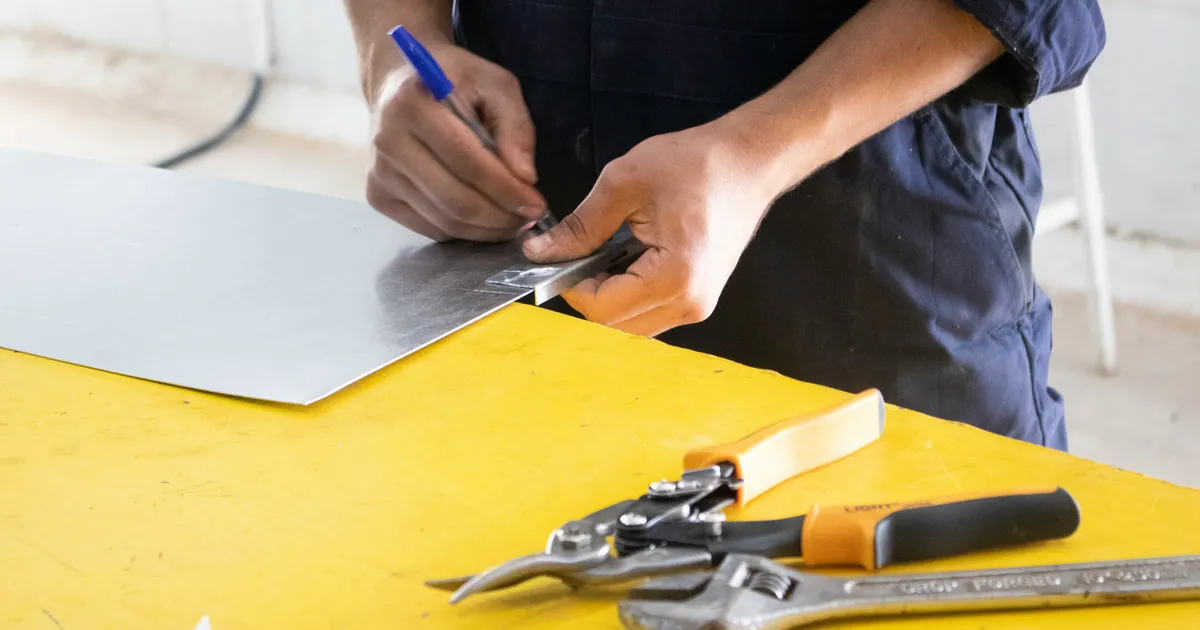

My first big home repair was a rude awakening. I’d just bought a charming 1950s bungalow, brimming with character and, as it turned out, hidden plumbing issues. A seemingly minor drip quickly escalated into a full pipe replacement behind a wall, costing three times my initial “guesstimate.” That experience taught me a fundamental truth: knowing how to estimate home repair costs isn’t just about saving money; it’s about preserving your sanity and financial stability. It’s a skill that every homeowner needs to master, transforming daunting unknowns into manageable projects. Let’s dig into some simple yet powerful methods and tips that will empower you to approach your next repair with confidence, not dread.
The 1% Rule: A Quick Starting Point
The “1% Rule” is a widely cited, albeit very rough, guideline suggesting you should budget approximately 1% of your home’s purchase price annually for maintenance and repairs. So, if your home was bought for $300,000, you’d theoretically set aside $3,000 each year. This method offers a quick mental benchmark, helping new homeowners grasp the general financial commitment involved in property ownership. It’s particularly useful for initial budgeting, providing a broad stroke figure for what you might expect to spend over time on the various wear-and-tear issues that inevitably arise.
However, it’s crucial to understand that the 1% Rule is merely a starting point and far from a precise estimate for any specific repair. It doesn’t differentiate between a leaky faucet and a collapsing roof, nor does it account for your home’s age, condition, or specific vulnerabilities. A brand-new house might require less than 1%, while an older home with original systems could easily demand 2-3% or more. Think of it as a sanity check for your overall repair fund, but don’t rely on it for project-specific cost projections. For those, we need to delve much deeper.
Breaking Down Costs: Materials, Labor, and Permits
When you’re trying to estimate home repair costs, the most effective approach is to break down the project into its fundamental components: materials, labor, and permits. Begin by researching material costs. For instance, if you’re replacing a section of fencing, price out different types of wood, concrete, and hardware from local suppliers and big-box stores. Don’t just look at the cheapest option; consider durability and quality. Online retailers and product specifications can also offer valuable insights into average costs, helping you create a realistic budget for your supplies.
Next, factor in labor. This is often the largest variable. Get multiple quotes from licensed, insured contractors. A general rule of thumb is to seek at least three bids for any significant repair. Discuss the scope of work in detail, ensuring each contractor is quoting on the exact same project. Remember to ask about their hourly rates, project fees, and any potential surcharges. Finally, don’t forget permits. Many structural, electrical, or plumbing repairs require municipal permits, which come with fees and inspection costs. Neglecting permits can lead to fines or even force you to redo work, making them a non-negotiable part of your budget.
The “Scope Creep” Trap and Contingency Planning
One of the biggest budget destroyers in home repair is “scope creep”—the tendency for a project to grow beyond its original plan. You start with a simple bathroom renovation, and suddenly you’re replacing subflooring, upgrading electrical outlets, and adding custom shelving. This often happens because unexpected issues are uncovered once work begins, or new ideas emerge as the project progresses. To combat this, define your project scope meticulously upfront. Document everything you want done, down to the smallest detail, and stick to that plan as rigidly as possible. Any deviation must be consciously evaluated for its financial impact.
This is precisely why a contingency fund is not just a good idea, but an absolute necessity. I’ve learned, often the hard way, that even the most meticulous planning can’t account for every hidden problem. A good rule of thumb is to add 10-20% to your total estimated cost as a contingency. For older homes or projects with significant unknowns (like opening up walls), lean towards the higher end. This buffer will absorb unexpected expenses, preventing financial stress and allowing the project to proceed smoothly, even if a surprise materializes. Think of it as an insurance policy for your budget.
Getting Multiple Bids: Your Secret Weapon
Securing multiple bids is perhaps the single most powerful strategy for accurate cost estimation and preventing overspending. Don’t settle for the first quote you receive, no matter how appealing it seems. Contact at least three different, reputable contractors or service providers. Provide each with the identical scope of work, ideally in writing, to ensure you’re comparing “apples to apples.” This process not only reveals the average market rate for your specific repair but also exposes potential outliers—contractors who are either significantly under-pricing (a red flag for quality) or over-pricing (a sign of potential exploitation). It also gives you leverage to negotiate, even if only slightly, and helps you identify the professional who best understands your needs and communicates clearly.
DIY vs. Pro: Knowing Your Limits (and Hidden Costs)
The allure of DIY is strong: saving on labor costs and the satisfaction of doing it yourself. For small, straightforward tasks like painting a room or replacing a leaky faucet, DIY can be a fantastic way to cut down on home repair costs. However, it’s critical to honestly assess your skills, time availability, and the complexity of the task. What seems simple on a YouTube tutorial might involve specialized tools, permits, or safety risks you hadn’t considered. Don’t forget to factor in the cost of tools you might need to buy or rent, and the value of your own time. A botched DIY job can end up costing far more to fix professionally than if you’d hired an expert in the first place.
For anything involving structural integrity, electrical wiring, plumbing beyond a simple fixture, or gas lines, calling a professional is almost always the smarter, safer, and ultimately more cost-effective choice. Professionals bring expertise, specialized tools, insurance, and often warranties on their work. They understand local building codes and can secure necessary permits. While their upfront cost is higher, the peace of mind, quality of work, and reduced risk of costly mistakes are invaluable. Always verify a contractor’s licensing and insurance, and check references or online reviews. For vetting contractors, resources like the Federal Trade Commission offer valuable guidance on what to look for.
Leveraging Online Tools and Local Resources
In today’s digital age, a wealth of information is at your fingertips to help you estimate home repair costs. Online cost calculators for specific projects, readily available on major home improvement sites, can provide a good baseline. Forums and community groups dedicated to home renovation often share real-world cost experiences, though it’s wise to remember that prices vary by region. Websites like HomeAdvisor or Angi (formerly Angie’s List) offer localized cost guides based on data from thousands of completed projects, giving you a more accurate picture for your specific area. However, always take these estimates with a grain of salt, as they are averages and your unique situation may differ.
Beyond the internet, don’t underestimate the power of local resources. Engage with local hardware store staff; they often have a pulse on typical project costs and can recommend reliable local handymen or contractors. Speaking with neighbors who have recently completed similar repairs can provide invaluable firsthand experience and recommendations. Local building departments can advise on permit requirements and associated fees for projects planned for 2026. This combination of online research and localized, word-of-mouth intelligence provides a robust framework for building a realistic and comprehensive repair budget.
Key Takeaways
- Implement a Contingency Fund: Always add 10-20% to your total estimated repair cost to cover unexpected issues, especially for older homes or complex projects. This buffer is critical for financial peace of mind.
- Break Down Costs Meticulously: Don’t just get a lump sum. Itemize materials, labor, and permit fees. Research each component separately to build a more accurate and transparent estimate.
- Gather Multiple Bids: Obtain at least three detailed quotes from licensed and insured professionals for any significant repair. This ensures competitive pricing and helps you identify reliable contractors.
- Know When to DIY and When to Hire: Honestly assess your skills and the project’s complexity. While DIY saves labor costs, professional help is essential for safety, quality, and avoiding costly mistakes on critical systems.
Frequently Asked Questions
How much should I budget for annual home repairs?
While the 1% Rule (1% of your home’s value annually) is a common guideline, it’s a very rough estimate. For older homes or those needing significant work, budgeting 2-3% might be more realistic. The actual amount depends heavily on your home’s age, condition, and climate.
What are common hidden costs in home repairs?
Hidden costs often include unexpected structural damage discovered behind walls, unforeseen plumbing or electrical issues, permit fees, disposal fees for old materials, and the cost of specialized tools if you’re doing DIY. Always factor in a contingency fund to cover these.
Is it always cheaper to DIY home repairs?
Not necessarily. While DIY saves on labor, you must factor in the cost of tools, materials, and your own time. For complex or critical repairs (electrical, plumbing, structural), a professional often provides a safer, higher-quality, and ultimately more cost-effective long-term solution, avoiding costly mistakes.
How do I find reputable contractors for repair estimates?
Start by asking for referrals from friends, family, and neighbors. Check online review sites, ensure contractors are licensed and insured, and always request at least three detailed, written bids for the same scope of work. Verify their references and check for any complaints with local consumer protection agencies.
Conclusion
Estimating home repair costs doesn’t have to be a shot in the dark. By adopting a systematic approach—breaking down expenses, securing multiple bids, and planning for contingencies—you gain control and confidence. Remember, proactive research and a realistic perspective are your best allies against budget overruns. With these simple calculation methods and tips, you’re not just preparing for repairs; you’re investing in your home’s value and your own peace of mind, ensuring your next project, even in 2026, is a success rather than a financial headache.