

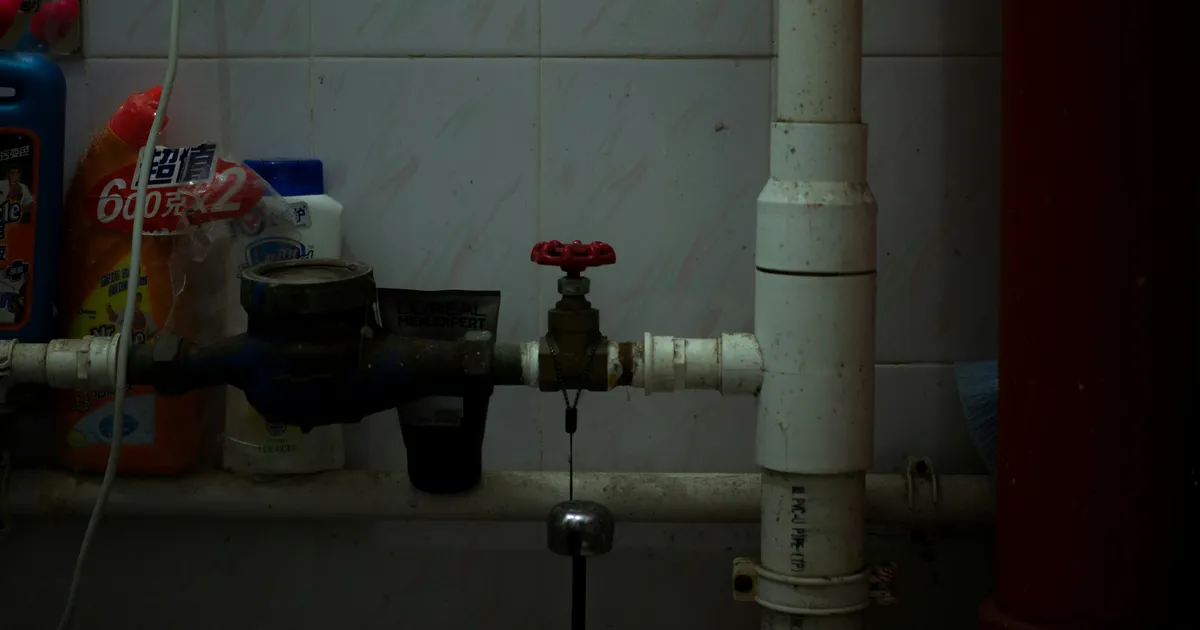

Ah, the dreaded drip! I remember my first significant plumbing encounter like it was yesterday – a persistent, rhythmic ‘plink, plink, plink’ echoing through the quiet of the night, emanating from under my kitchen sink. Panic set in quickly, followed by a frantic online search for “how to fix leaking pipes and taps at home.” It felt like a monumental task, but what I discovered was a world of manageable fixes that empower homeowners, rather than leaving us at the mercy of emergency plumber call-out fees. This guide isn’t just about stopping a leak; it’s about giving you the confidence to tackle common plumbing woes, saving you money, and preventing potential water damage that can escalate rapidly if ignored. Let’s dive in and transform that plumbing anxiety into DIY satisfaction.
Understanding the Leak: Diagnosis is Key
Before you even think about grabbing a wrench, the crucial first step in fixing any leak is accurately diagnosing its source and severity. A tiny drip under the sink might seem insignificant, but it can waste hundreds of gallons of water annually and lead to mold growth or structural damage over time. Take a moment to observe: Is it a constant drip or an intermittent trickle? Is the water pooling, or simply leaving a damp patch? Pinpointing the exact origin – whether it’s a pipe joint, a tap handle, or a showerhead – will dictate your approach and the tools you’ll need. Don’t underestimate the detective work involved; it saves considerable time and frustration later on.
Sometimes, the leak isn’t obvious. You might notice unexplained damp patches on walls or ceilings, a sudden spike in your water bill, or even the faint smell of mildew. These are all tell-tale signs that water is escaping somewhere it shouldn’t be. For pipes hidden behind walls, a simple trick is to listen for dripping sounds when the house is quiet, or to check your water meter before and after a period of no water usage. If the meter reading changes, you likely have a hidden leak. Remember, even a small leak can become a major headache if left unaddressed, so proactive investigation is always a wise investment of your time.
Essential Tools for Your Plumbing Arsenal
Equipping yourself with the right tools is half the battle when tackling home plumbing repairs. You don’t need a professional plumber’s entire kit, but a few essential items will make most common fixes much simpler and safer. A good adjustable wrench, a set of screwdrivers (Phillips and flathead), pliers (especially groove-joint or slip-joint), and a utility knife are fundamental. For sealing, always have plumber’s tape (PTFE tape) and perhaps some pipe joint compound (pipe dope) on hand. A bucket, old towels, and a headlamp or flashlight are also invaluable for catching drips and illuminating cramped spaces. Investing in quality tools now will save you countless headaches and repeat trips to the hardware store.
Beyond the basic hand tools, consider having specific repair parts readily available if you know your plumbing system. A selection of common washers, O-rings, and perhaps a universal tap cartridge can be lifesavers, especially if a leak springs up on a weekend when stores are closed. Knowing your tap’s brand and model can help immensely in sourcing the correct replacement parts. For minor pipe leaks, a temporary repair clamp can buy you time until a more permanent solution can be implemented. Being prepared truly minimizes the stress and potential damage associated with unexpected plumbing issues, ensuring you’re ready for most common leaks in 2026 and beyond.
Fixing a Leaky Tap: A Common Home Repair
A dripping tap is arguably one of the most common and annoying household leaks. Not only is the sound irritating, but it’s a silent drain on your water bill. Most tap leaks stem from worn-out internal components like washers, O-rings, or cartridges. The good news is that these are generally inexpensive and relatively straightforward to replace. Before you start, always remember to turn off the water supply to the tap – usually via a shut-off valve under the sink or the main water shut-off for your home. Then, open the tap to drain any residual water from the lines, preventing a sudden gush when you disassemble it.
Once the water is off, you’ll typically need to remove the decorative cap on the tap handle, unscrew the handle, and then access the underlying cartridge or stem. Carefully note the order of parts as you remove them, perhaps even taking a photo for reference. Inspect the washers and O-rings for signs of wear, cracks, or hardening. These small rubber or silicone components are often the culprits. Replacing them with new ones, ensuring they are the correct size, often resolves the leak entirely. For cartridge taps, the entire cartridge might need to be swapped out. For detailed visual guides, you can often find excellent resources on sites like Family Handyman’s plumbing section.
Replacing a Worn Washer or O-Ring
The heart of many tap leaks lies within these small, unassuming rubber or silicone rings. Once you’ve disassembled your tap and located the stem or cartridge, carefully remove the old washer or O-ring using a small screwdriver or a pick. It’s crucial to ensure you get all fragments out. Take the old part to a hardware store to find an exact match in terms of size and material. Sometimes, buying a multi-pack of assorted washers and O-rings can be a wise investment for future repairs.
Before installing the new washer or O-ring, clean the area thoroughly to remove any mineral deposits or grime. A little plumber’s grease can help lubricate the new part and ensure a snug, watertight seal. Reassemble the tap in reverse order, being careful not to overtighten screws, which can damage the new components. Turn the water supply back on slowly and check for leaks. If the drip persists, you might need to inspect the tap seat for corrosion or damage, which might require a seat grinding tool or professional intervention.
Tackling Leaky Pipes and Joints
Leaking pipes, while potentially more alarming than a dripping tap, are often fixable with a bit of know-how. The most common culprits are loose pipe joints, especially at threaded connections or compression fittings under sinks. For threaded joints, the solution often involves tightening the connection with a wrench. Before tightening, it’s often beneficial to drain the pipe, remove the joint, reapply plumber’s tape or pipe joint compound to the threads, and then reassemble. This creates a much more robust, watertight seal than simply tightening an old, worn-out connection.
Compression fittings, often found connecting supply lines to taps or toilets, use a nut and a compression ring to create a seal. If these leak, first try gently tightening the compression nut. If that doesn’t work, the compression ring itself might be warped or damaged and may need replacement. For minor pinhole leaks in a straight section of pipe, a temporary pipe repair clamp can provide a quick fix, but it’s essential to remember these are usually temporary. For more serious leaks, especially those involving burst pipes or extensive corrosion, it’s always best to consult a qualified plumber to ensure a safe and lasting repair. For more insights on pipe materials and repair options, you might find resources from the EPA WaterSense program useful.
When to Call a Professional Plumber
While empowering yourself with DIY plumbing skills is incredibly rewarding, it’s equally important to know your limits and when to call in the professionals. Attempting complex repairs beyond your skill level can lead to more significant damage, higher costs, and even safety hazards. If you’re dealing with a burst pipe, water gushing uncontrollably, or a leak that’s inaccessible behind walls or under floors, it’s unequivocally time to pick up the phone. These situations require specialized tools, experience, and often involve working with high water pressure or structural elements that are best left to licensed experts.
Furthermore, if you’ve tried the common fixes outlined here and the leak persists, or if you’re uncomfortable with any step of the process, there’s no shame in seeking professional help. Plumbers have years of training and experience, allowing them to diagnose hidden issues and implement durable solutions efficiently. They can also advise on preventative maintenance and upgrades, ensuring your home’s plumbing system remains robust for many years to come, well into 2026 and beyond. Don’t let pride get in the way of a proper, safe repair; sometimes, the smartest DIY is knowing when to delegate.
Key Takeaways
- Act Swiftly to Prevent Damage: Even a small drip can lead to significant water waste, mold growth, and costly structural damage over time. Early detection and prompt action are crucial to minimizing potential harm and expense. Don’t procrastinate on even minor leaks.
- Master the Basics: Many common leaks, especially from taps and accessible pipe joints, can be fixed with basic tools and a little guidance. Understanding how to replace washers, O-rings, or apply plumber’s tape empowers you to handle typical plumbing emergencies confidently.
- Safety First: Always Turn Off Water: Before attempting any plumbing repair, locate and turn off the water supply to the affected fixture or your entire home. This prevents unexpected floods and allows you to work safely and effectively without pressure.
- Know Your Limits and Call a Pro When Needed: While DIY is great, recognize when a job is beyond your skill set. Burst pipes, hidden leaks, extensive renovations, or persistent issues after attempting basic fixes warrant calling a licensed plumbing professional to ensure a safe and lasting repair.
Frequently Asked Questions
How long can I ignore a small drip from a tap?
You shouldn’t ignore even a small drip for long. A seemingly insignificant drip can waste hundreds, even thousands, of gallons of water per year, leading to higher water bills and potential water damage to your fixtures or surrounding cabinetry. Address it as soon as you notice it to save water, money, and prevent further issues.
What’s the difference between plumber’s tape and pipe joint compound?
Plumber’s tape (PTFE tape or Teflon tape) is a thin, white tape used on threaded pipe connections to lubricate the threads, making them easier to tighten, and to fill small gaps, preventing leaks. Pipe joint compound (pipe dope) is a paste or liquid sealant applied to threaded connections for the same purpose, often providing a stronger seal, especially for larger pipes or high-pressure applications. Both improve the seal on threaded joints.
Can I fix a burst pipe myself, even temporarily?
While temporary fixes like pipe repair clamps or epoxy putties exist for burst pipes, these are generally emergency measures to stop the flow until a professional plumber can arrive. A burst pipe indicates a serious underlying issue, often involving high pressure or structural compromise, and requires expert assessment and a durable repair by a qualified plumber. Always turn off the main water supply immediately.
How often should I check my home’s plumbing for leaks?
It’s a good practice to conduct a visual inspection of all visible pipes, taps, and toilets at least once or twice a year, perhaps when you’re doing other seasonal home maintenance. Pay attention to any dampness, discoloration, or unusual sounds. Regularly checking your water meter when no water is being used can also help detect hidden leaks.
Conclusion
Tackling leaking pipes and taps at home might seem daunting initially, but with a bit of patience, the right tools, and this step-by-step guide, you’re well-equipped to handle many common plumbing challenges. Remember, prevention and early intervention are your best allies in maintaining a healthy, leak-free home. Don’t let a drip become a deluge; empower yourself to take action. You’ll not only save money and conserve water but also gain immense satisfaction from knowing you’ve kept your home running smoothly. Here’s to a future of dry floors and quiet nights!