

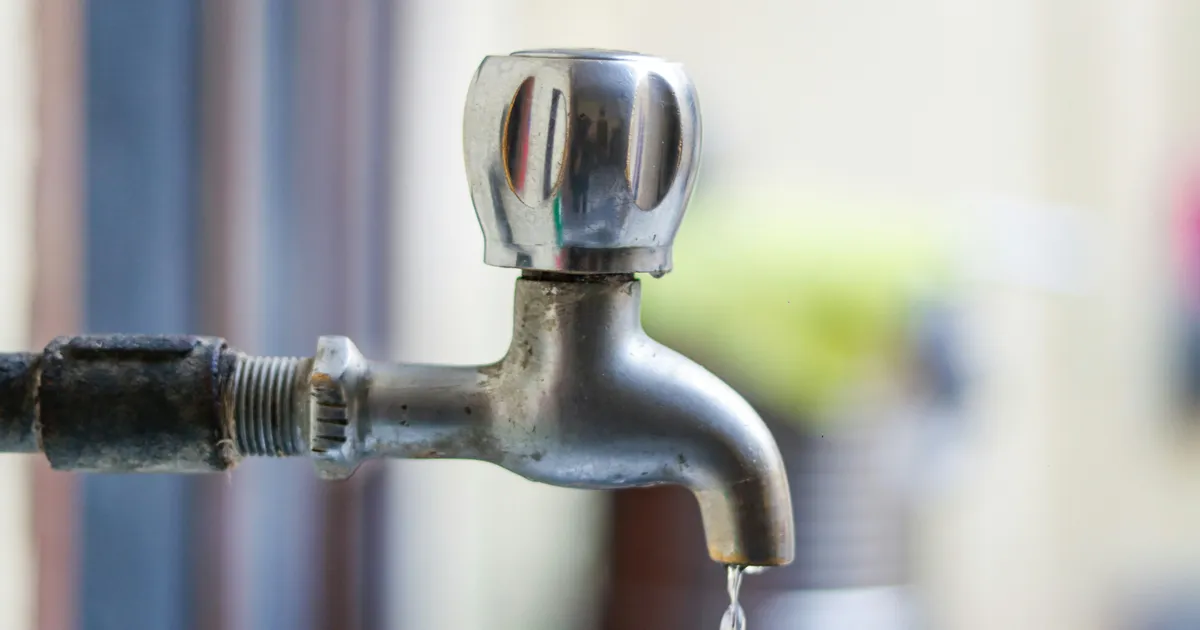

I once woke up to the sound of dripping water, a faint but persistent rhythm that quickly escalated into a torrent. A small, seemingly insignificant pinhole leak in an old copper pipe behind my washing machine had decided to give way overnight, turning my laundry room into a shallow wading pool. The immediate panic, the scramble for buckets, and the eventual, costly repairs taught me a valuable lesson: proactive plumbing maintenance tips to prevent leaks and water damage at home are not just good advice; they are absolutely essential. Ignoring the subtle signs of wear and tear can lead to devastating consequences, transforming minor inconveniences into major headaches and expensive renovations. Don’t let a preventable issue catch you off guard; a little vigilance now can save you a fortune later.
Regular Fixture Inspections Save Money
One of the simplest yet most effective plumbing maintenance tips is to routinely inspect all visible fixtures and connections in your home. This means taking a few minutes each month to look under sinks, around toilets, and at the base of your shower or tub for any signs of moisture, discoloration, or rust. Pay close attention to the supply lines leading to your toilets, sinks, and washing machine. These flexible hoses, often made of braided steel or rubber, degrade over time and are a common culprit for sudden, catastrophic leaks. Replacing them proactively every 5-7 years, especially those connected to appliances, is a small investment that offers immense peace of mind and prevents potential disasters.
Beyond visual checks, listen for drips or the faint sound of running water when no fixtures are in use. A toilet that constantly runs, even subtly, indicates a faulty flapper or fill valve, wasting water and potentially causing overflow issues. Similarly, a dripping faucet, while seemingly minor, can waste thousands of gallons of water annually and accelerate wear on internal components. Addressing these small issues promptly not only conserves water but also extends the life of your fixtures, preventing more significant repair costs down the line. It’s about being observant and taking action before a minor nuisance escalates into a genuine plumbing emergency.
Don’t Forget Appliance Hoses
While we often focus on faucets and toilets, the hoses connected to your washing machine, dishwasher, and refrigerator’s ice maker are prime candidates for failure. These hoses are under constant water pressure and are subject to wear and tear from movement and temperature fluctuations. My personal experience with the washing machine leak underscored just how critical these often-overlooked components are. I strongly recommend upgrading to stainless steel braided hoses for all appliances, as they are far more durable and resistant to bursting than standard rubber hoses. Making this switch is a simple DIY task that can prevent thousands of dollars in water damage.
Understanding Your Water Heater
Your water heater is a silent workhorse, but it requires periodic attention to prevent leaks and ensure efficiency. Sediment build-up at the bottom of the tank can lead to reduced heating efficiency, unusual noises, and eventually, corrosion that causes leaks. Flushing your water heater annually is a critical maintenance step. This process involves draining several gallons of water from the tank to remove accumulated sediment. For detailed instructions, you can often find helpful guides on manufacturer websites or reputable home improvement resources like Energy Star’s website, which also offers advice on efficient water heater operation.
Another often-neglected component is the temperature and pressure relief (T&P) valve. This safety device is designed to open and release water if the temperature or pressure inside the tank becomes too high, preventing a potential explosion. It’s wise to test this valve gently once a year by lifting the lever briefly to ensure it opens and closes properly. If it leaks after testing, or if you notice any persistent drips from the T&P discharge pipe, it’s a clear sign it needs replacement. Ignoring these signs could compromise the safety and integrity of your water heater, leading to significant water damage or a hazardous situation.
Drain Care is Pipe Care
Preventing clogs is fundamental to good plumbing maintenance. Many homeowners underestimate the damage that persistent blockages can inflict on their pipes. Hair, grease, soap scum, and food particles are the usual culprits. Instead of waiting for a complete blockage, adopting preventative measures is key. For kitchen sinks, installing drain screens and disposing of grease in the trash, not down the drain, are simple yet effective strategies. In bathrooms, hair traps in showers and tubs can catch most hair before it enters the drain system, where it combines with soap to form stubborn clogs.
Avoid chemical drain cleaners at all costs. While they might offer a temporary fix, their corrosive nature can actually damage your pipes over time, especially older ones, leading to leaks and premature pipe failure. For minor clogs, a mixture of baking soda and vinegar followed by hot water can often work wonders, providing an eco-friendly and pipe-safe alternative. For more stubborn blockages, a drain snake or the expertise of a professional plumber is always the safest bet. Proactive drain maintenance in 2026 should focus on prevention rather than relying on harsh chemical solutions.
The Silent Threat: Hidden Leaks
Some of the most insidious water damage comes from leaks you can’t see. These hidden leaks, often behind walls, under floors, or in your main water line, can go undetected for months or even years, causing extensive structural damage, mold growth, and skyrocketing water bills. A crucial plumbing maintenance tip to prevent leaks and water damage at home is to regularly monitor your water meter. Pick a time when no water is being used in your house (e.g., before bed), record the meter reading, and then check it again in the morning. If the reading has changed, you likely have a leak somewhere.
Beyond the meter test, pay attention to unexplained damp spots on walls, ceilings, or floors, musty odors, or sudden drops in water pressure. These are all potential indicators of a hidden leak. Undetected slab leaks, where pipes run under your home’s foundation, are particularly problematic and costly to repair. If you suspect a hidden leak, especially after performing the water meter test, it’s imperative to call a professional leak detection service. They have specialized equipment to pinpoint the exact location of the leak, minimizing the invasive nature of repairs and saving you from further damage. Early detection is paramount.
Seasonal Plumbing Prep
Preparing your plumbing for seasonal changes is a vital, often overlooked, aspect of home maintenance. As winter approaches, protecting outdoor spigots and exposed pipes from freezing is critical. Disconnect all garden hoses and, if your outdoor spigots aren’t frost-proof, shut off the water supply to them from inside your home and drain any remaining water. Insulating exposed pipes in unheated areas like basements, crawl spaces, and garages with foam pipe insulation can prevent costly bursts. A burst pipe in the depths of winter can lead to catastrophic water damage and significant repair bills.
Conversely, as warmer weather arrives, it’s a good time to check for any winter damage. Inspect external pipes and connections for cracks or leaks that might have developed during freezing temperatures. Test your sump pump by pouring a bucket of water into the pit to ensure it activates and drains properly, especially before heavy spring rains. This small check can prevent basement flooding. Looking ahead to 2026, incorporating these seasonal checks into your annual home maintenance routine will significantly reduce the risk of plumbing-related emergencies and costly water damage.
Key Takeaways
- Proactive Inspection is Paramount: Regularly check visible fixtures, hoses, and connections for any signs of wear, drips, or discoloration. Small issues caught early prevent major disasters.
- Appliance Hoses Demand Attention: Upgrade washing machine, dishwasher, and refrigerator hoses to braided stainless steel and replace them every 5-7 years to prevent sudden, catastrophic bursts.
- Water Heater Maintenance is Non-Negotiable: Annually flush your water heater to remove sediment and test the T&P valve to ensure safe and efficient operation, extending its lifespan and preventing leaks.
- Guard Against Hidden Leaks: Monitor your water meter for unexplained usage when no water is being consumed. Address any signs of dampness, musty odors, or sudden pressure drops immediately to prevent extensive structural damage.
Frequently Asked Questions
How often should I flush my water heater?
Most experts recommend flushing your water heater annually to remove sediment buildup. If you live in an area with hard water, you might consider flushing it every six months. This routine maintenance helps maintain efficiency and prevents premature corrosion and leaks.
What’s the best way to prevent drain clogs without chemicals?
The best way is prevention: use drain screens in all sinks and showers to catch hair and food particles. Avoid pouring grease down kitchen drains. For minor clogs, a mixture of baking soda and vinegar followed by hot water can often be effective. For stubborn blockages, a drain snake or professional plumbing service is recommended.
How can I tell if I have a hidden water leak?
A simple way is to perform a water meter test: read your water meter, avoid using any water for a few hours (e.g., overnight), and then check the meter again. If the reading has changed, you likely have a leak. Other signs include unexplained damp spots, musty odors, or unusually high water bills.
When should I call a professional plumber instead of trying DIY repairs?
While minor issues like a dripping faucet or a running toilet can often be DIY, you should call a professional for anything involving significant water pressure changes, persistent leaks after basic troubleshooting, suspected hidden leaks, burst pipes, or if you’re unsure about the complexity of a repair. Attempting complex repairs without proper knowledge can often worsen the problem.
Conclusion
Taking a proactive stance on plumbing maintenance tips to prevent leaks and water damage at home is one of the smartest investments you can make in your property. From routine visual inspections to diligent drain care and seasonal preparations, each step contributes to a more secure and efficient household. My own experience taught me that small efforts today can prevent massive headaches and expenses tomorrow. By adopting these habits, you’re not just maintaining pipes; you’re safeguarding your home, your finances, and your peace of mind. Make plumbing awareness a priority, and enjoy a drier, safer home for years to come.