

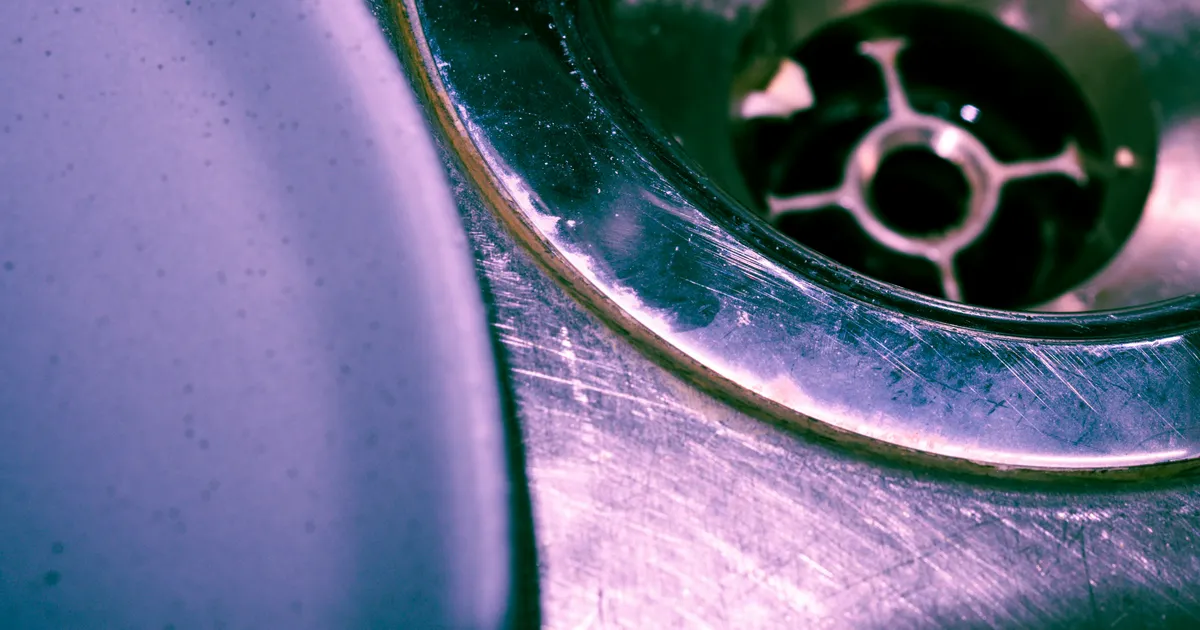

I remember the first time my kitchen sink decided to throw a tantrum, backing up with murky water right before a dinner party. Panic set in quickly, followed by the realization that calling a plumber for every minor blockage wasn’t sustainable. That experience became the catalyst for me to master the art of the diy guide to unclog drains and fix water flow issues quickly. It’s an empowering skill, saving you not just money but also the frustration of slow-draining sinks or sputtering showerheads. You don’t need to be a plumbing expert to tackle most common household clogs; you just need the right approach, a few basic tools, and a healthy dose of confidence to restore your home’s water harmony.
Understanding the Enemy: Common Clog Culprits
Before we dive into the solutions, it’s crucial to understand what’s usually lurking in your pipes. In bathrooms, the primary culprits are almost always hair and soap scum, forming a stubborn, gooey matrix that traps anything else trying to pass through. Kitchen drains, on the other hand, are battlegrounds for grease, food particles, and coffee grounds, which congeal into a thick, sticky blockage over time. Identifying the likely cause helps you choose the most effective strategy for attack, preventing unnecessary effort and potential damage to your plumbing.
The best defense against clogs is a good offense through preventative measures. Simple habits like regularly flushing drains with hot water, using drain screens to catch hair and food debris, and properly disposing of grease (never down the sink!) can significantly reduce the frequency of blockages. Think of it as routine maintenance for your home’s circulatory system. A little vigilance in 2026 can save you a lot of headache and expense down the line, keeping your water flowing freely and efficiently.
Your Toolkit for Drain Domination
You don’t need an arsenal of professional equipment to deal with most household clogs. A basic toolkit will serve you well. Essential items include a sturdy plunger (preferably one with a flange for toilets and a flat bottom for sinks), a hand-crank drain snake (also known as an auger), a bucket, old rags, a pair of rubber gloves, and some household staples like baking soda and white vinegar. These tools are readily available and represent a small investment compared to the cost of a plumber.
Understanding the nuances of each tool is key. A small, flexible drain snake, often just a few feet long, is perfect for retrieving hairballs from bathroom sinks or showers. For deeper or more stubborn clogs further down the line, a longer, more robust hand auger will be your champion. Always prioritize safety: wear gloves, protect your eyes if using any chemicals (though we’ll focus on natural solutions), and ensure proper ventilation. Knowing your tools empowers you to tackle issues confidently and correctly.
The Plunger: Your First Line of Defense
The humble plunger is often underestimated but incredibly effective when used correctly. For sinks, ensure there’s enough water to cover the rubber cup, creating a tight seal around the drain opening. For double sinks, block the second drain with a wet cloth or stopper to maximize suction. Pump vigorously for about 20-30 seconds, then quickly pull the plunger up to break the seal. This creates a vacuum effect that can dislodge many common clogs. Persistence is key; sometimes it takes several attempts.
If the plunger fails after a few earnest tries, it usually indicates a deeper or more solid blockage that requires a different approach. Don’t be tempted to keep plunging indefinitely, as this can sometimes push the clog further or even damage older pipes if done with excessive force. It’s a sign to escalate your efforts, moving on to methods that can physically break up or retrieve the obstruction. Knowing when to stop with one method and switch to another is part of being an effective DIYer.
Chemical-Free Solutions: The Natural Path
Before reaching for harsh chemical drain cleaners, which can be detrimental to your pipes and the environment, try a natural alternative. The classic combination of baking soda and vinegar is surprisingly effective for breaking down greasy or organic clogs. Pour about half a cup of baking soda down the drain, followed by an equal amount of white vinegar. The fizzing reaction helps to loosen grime. Let it sit for 30 minutes to an hour (or even overnight for stubborn clogs), then flush thoroughly with very hot, almost boiling water. This method is safe for most pipes and a fantastic first step after plunging. You can learn more about the science behind this reaction at Scientific American.
Unleashing the Drain Snake: When Things Get Serious
When the plunger and natural remedies prove insufficient, it’s time to bring out the drain snake. Begin by removing the drain stopper or P-trap if necessary to gain direct access to the pipe. Carefully feed the snake into the drain, pushing it gently until you feel resistance. This usually indicates the clog. Once you hit the blockage, crank the handle to extend the snake’s coil, rotating it to either break up the clog or snag it. It often feels like fishing; you’re trying to hook the obstruction.
Once you’ve either broken through the clog or hooked a substantial amount of debris, slowly and carefully withdraw the snake. Be prepared for a messy extraction; have a bucket and old rags ready to catch whatever comes out. Clean off the snake thoroughly after each use to prevent bacterial growth and rust. Flush the drain with hot water to clear any remaining smaller particles. This method is incredibly satisfying because you physically remove the problem, often restoring full flow instantly. For more detailed instructions on using a drain snake, a reputable resource like This Old House can be very helpful.
Beyond the Drain: Addressing Water Flow Issues
Sometimes, slow water flow isn’t due to a drain clog but rather issues at the faucet or showerhead. For faucets, a common culprit is a clogged aerator. This small screen at the tip of your faucet can accumulate mineral deposits and debris, restricting water flow. Simply unscrew the aerator, clean it thoroughly (a toothbrush and vinegar work wonders), and then reattach it. You’ll often be amazed at the immediate improvement in water pressure and stream quality.
Showerheads can also suffer from mineral buildup, especially in areas with hard water. If your shower is sputtering or has weak pressure, try soaking the showerhead in a baggie filled with white vinegar overnight. This dissolves limescale and other mineral deposits. Another often-overlooked issue affecting water flow is a partially closed shut-off valve, either under a sink or for the main water supply. Always check these valves to ensure they are fully open, a simple fix that often gets overlooked in the heat of the moment in late 2026.
Key Takeaways
- Proactive Prevention is Paramount: Regular maintenance like drain screens, proper grease disposal, and hot water flushes are your best defense against clogs, saving time and money on reactive fixes.
- Start Simple, Then Escalate: Always begin with the least invasive methods, such as a plunger or the baking soda and vinegar treatment, before moving on to more intensive tools like a drain snake.
- Understand Your Tools and Their Limits: Each tool has a specific purpose. Knowing when and how to use a plunger versus a snake, and when to step back and call a professional, is crucial for effective and safe DIY plumbing.
- Water Flow Isn’t Always a Drain Issue: Remember to check faucet aerators, showerheads for mineral buildup, and shut-off valves for blockages or partial closures before assuming a deeper pipe problem.
Frequently Asked Questions
When should I avoid using chemical drain cleaners?
You should generally avoid chemical drain cleaners as they are harsh and can damage older pipes, rubber seals, and septic systems over time. They also pose significant safety risks if they come into contact with skin or eyes, and their fumes can be toxic. For most common clogs, the natural or mechanical methods discussed are safer and more effective.
How often should I perform drain maintenance?
Aim for a preventative flush with hot water at least once a week, especially in high-traffic drains like kitchen sinks and showers. A baking soda and vinegar treatment once a month can also help keep pipes clear. Regular checks of drain screens and aerators should be part of your routine home maintenance.
Can a DIY approach damage my pipes?
Yes, if not done carefully. Overly aggressive plunging, using a drain snake incorrectly (especially in older, fragile pipes), or relying on corrosive chemical cleaners can cause damage. Always use gentle force, follow instructions, and know when to stop and consider professional help to avoid costly repairs.
What are the signs that I need to call a professional plumber?
If you experience multiple clogged drains simultaneously, sewage smells emanating from drains, persistent gurgling noises, or if your DIY efforts with a drain snake yield no results after several attempts, it’s time to call a professional. These signs often indicate a more complex issue, such as a main line blockage or damaged pipes, which require expert diagnosis and equipment.
Conclusion
Mastering the art of DIY drain unclogging and fixing minor water flow issues is incredibly empowering. It not only saves you money but also instills a sense of confidence in maintaining your home. By understanding the common culprits, equipping yourself with basic tools, and following a methodical approach, you can quickly restore proper drainage and water pressure. Remember, prevention is your most powerful tool, ensuring your home’s plumbing runs smoothly for years to come.