

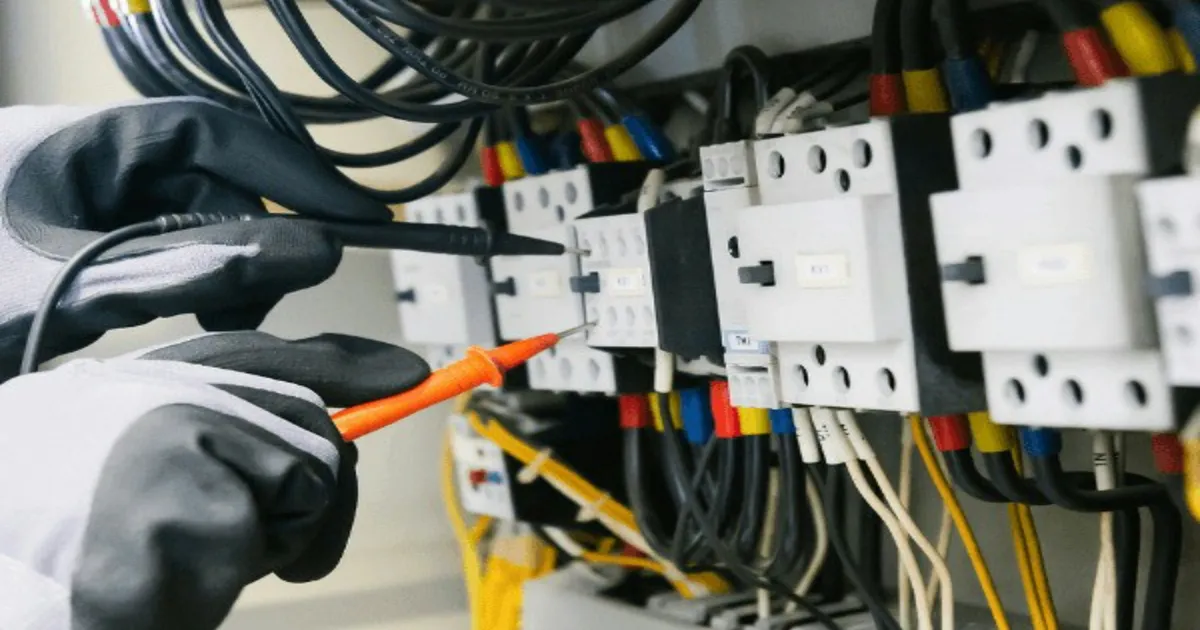

I still remember the time a flickering light in my kitchen turned into a small, unsettling electrical hum behind the wall – a stark reminder that even seemingly minor issues can signal something far more serious. Tackling common electrical problems around the house might seem daunting, but with a bit of knowledge and the right approach, many can be safely diagnosed and even resolved without an immediate call to an electrician. As someone who’s navigated the labyrinth of residential wiring for years, I’ve come to appreciate the satisfaction of understanding these systems. This article isn’t just about fixing things; it’s about empowering you with the confidence to understand your home’s electrical pulse, ensuring safety and efficiency in your living space.
Flickering Lights: More Than Just Annoying
That subtle flicker, often one of the most common electrical problems, is rarely just an aesthetic nuisance. It usually points to a loose connection in the circuit, potentially at the light fixture, switch, or electrical panel. Over time, vibrations or poorly secured wiring cause intermittent power flow. Ignoring this can lead to overheating, a serious fire hazard. Addressing flickering promptly signals something amiss with your home’s electrical integrity.
To diagnose, first check the bulb; a loose or failing bulb is the simplest fix. If not, turn off the power at the breaker. Carefully inspect wiring connections within the fixture and at the switch for looseness or corrosion. Persistent, whole-house flickering might stem from the utility side or heavy appliance loads. If unsure, always consult a qualified electrician. Diligent troubleshooting prevents dangers in 2026.
Frequent Circuit Breaker Trips
Few things are as frustrating as a circuit breaker that constantly trips. This isn’t just an inconvenience; it’s your electrical system’s way of shouting for help, indicating an overload, a short circuit, or a ground fault. An overload occurs when too many appliances draw power from a single circuit simultaneously, exceeding its amperage rating. The breaker protects your wiring from overheating and potential fires, so heed its warning.
To troubleshoot, identify which appliances were running when the breaker tripped. Unplug high-power devices from the affected circuit, then reset the breaker. If it holds, you’ve found an overload, needing appliance usage redistribution. If the breaker trips immediately upon resetting, even with nothing plugged in, you likely have a short circuit or ground fault. This serious issue requires professional attention. Never tape down a breaker.
Outlets Not Working: Dead Zones
Discovering a “dead” outlet or a cluster can be perplexing. Often, the culprit is a tripped Ground Fault Circuit Interrupter (GFCI) outlet, especially in kitchens, bathrooms, or outdoor areas. GFCIs protect against electric shock by quickly cutting power if an imbalance is detected, like when water is introduced. While life-saving, they can trip without an obvious fault, or because another GFCI upstream has tripped.
Resetting Your GFCI Outlets
First, check and reset any GFCI outlets in the vicinity. Look for the “Test” and “Reset” buttons; press “Reset” firmly. If it doesn’t reset, or trips again immediately, unplug all devices and try again. If it still won’t reset, or if multiple non-GFCI outlets are dead, check your main electrical panel for a tripped circuit breaker. If neither works, call a licensed electrician.
Light Switches Not Responding
A light switch refusing to illuminate its fixture is a common electrical problem. Before panicking, check the simplest explanation: a burnt-out light bulb. This is often overlooked. Beyond the bulb, the problem could lie with the switch itself, which can wear out over time, leading to failure. Old switches, especially those feeling loose or making strange noises, are prime suspects for replacement.
If the bulb isn’t the issue, and you’re comfortable with basic electrical work, turn off the power at the breaker. Remove the switch plate and inspect wiring connections for looseness or burning. A wire might simply be loose. If wiring appears sound, the switch itself could be faulty and need replacement. This is a straightforward DIY task. If in doubt, consult a professional. Dummies.com’s guide helps.
Burning Smells or Hot Outlets
This is arguably the most alarming of all common electrical problems and should never be ignored. A burning smell from an outlet, switch, or wall is an immediate red flag, signaling overheating wires, insulation, or components. An outlet feeling warm or hot indicates excessive current draw or a loose connection creating resistance and heat. Both present a significant fire risk and demand immediate attention. Your electrical system should operate silently and without noticeable heat or odors.
If you detect a burning smell or hot outlet, immediately turn off the power to that circuit at your main electrical panel. Unplug any devices. Do not use the circuit again until inspected by a qualified electrician. Attempting self-diagnosis without proper training is extremely dangerous. These symptoms often point to serious issues like overloaded circuits or faulty wiring, best left to professionals for safety. ESFI offers valuable insights at ESFI.org.
Key Takeaways
- Prioritize Safety Above All: Always turn off power at the breaker and confirm with a voltage tester before any electrical work. Safety is paramount to prevent shock or fire.
- Understand the Root Cause: Flickering lights mean loose connections; tripped breakers signal overloads. Diagnosing the “why” ensures lasting solutions, preventing recurring issues.
- Know When to Call a Professional: For complex issues like persistent short circuits, ground faults, or burning smells, always call a licensed electrician. Their expertise ensures safe, code-compliant repairs.
- Regular Maintenance Prevents Problems: Avoid circuit overloads, replace damaged cords, and check outlets for wear. Proactive measures reduce severe electrical problems. A well-maintained system is safe and efficient for 2026 and beyond.
Frequently Asked Questions
Is it safe to reset a tripped breaker multiple times?
Resetting a tripped breaker once or twice for diagnosis is generally safe. However, repeatedly resetting one that immediately trips again is not. This indicates a serious issue like a short circuit or ground fault. Continuous resetting can cause wires to overheat, potentially leading to fire. Always investigate the cause.
Why do my lights dim when a large appliance turns on?
This “voltage drop” occurs when a large appliance (e.g., refrigerator, AC) powers on, briefly drawing significant electricity. This causes a temporary dip in voltage, making lights dim. While often harmless if infrequent, consistent or severe dimming might suggest an undersized circuit or loose connections, warranting professional inspection.
Can old wiring cause frequent electrical problems?
Absolutely. Older homes often have outdated wiring systems not designed for modern appliance demands. Insulation degrades, connections loosen, and the system overloads, leading to frequent trips, flickering lights, and increased fire risks. Upgrading old wiring is a significant but often necessary investment for safety and reliability.
What’s the difference between a short circuit and a ground fault?
Both are unintended electrical paths. A short circuit occurs when a hot wire touches a neutral wire, creating a very low resistance path and a massive surge. A ground fault happens when a hot wire touches a grounded surface or a person. GFCIs detect ground faults; circuit breakers protect against both. Both are dangerous and immediately trip protective devices.
Conclusion
Understanding and addressing common electrical problems is a vital aspect of responsible homeownership. While many minor issues can be safely tackled with a methodical approach and a commitment to safety, knowing your limits and when to call a professional is paramount. Your home’s electrical system is its lifeblood, and treating it with respect, regular attention, and informed troubleshooting ensures a safe, efficient, and well-lit environment for years to come.