

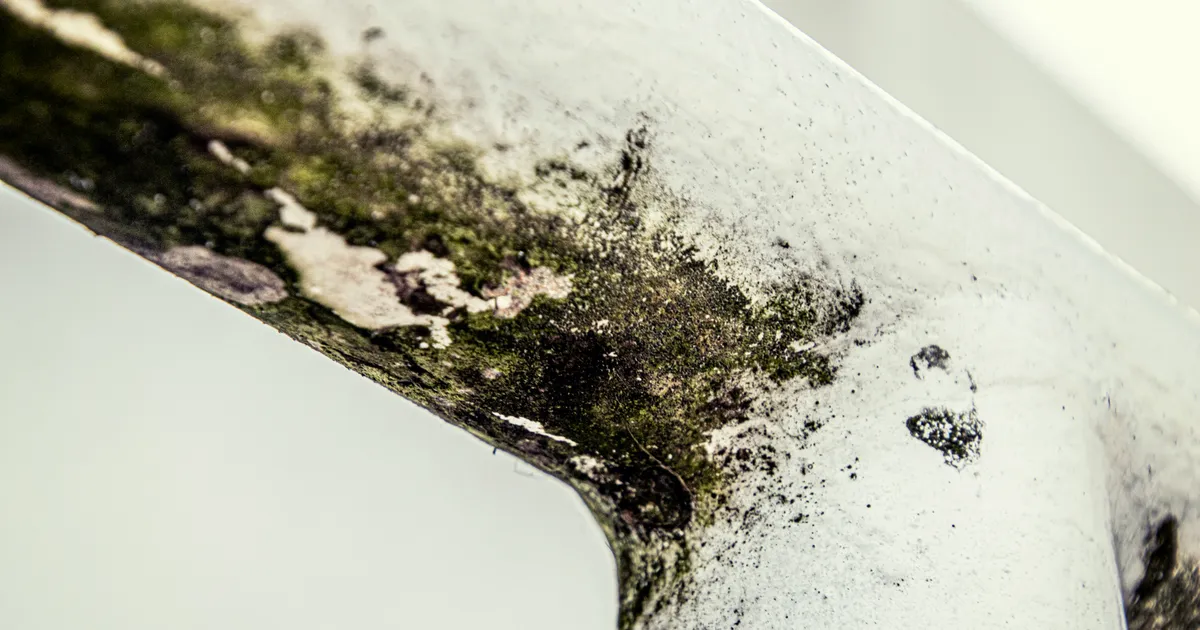

Discovering that musty smell or a dark patch on your wall can be incredibly disheartening, signaling a silent intruder in your home: mold. Many homeowners worry about the health implications and structural damage caused by excessive moisture, often feeling overwhelmed by the thought of harsh chemicals. But what if you could tackle this common problem effectively and naturally? Learning how to prevent mold and dampness inside your house naturally is not only achievable but also empowers you to create a healthier, more comfortable living environment for you and your loved ones, without resorting to costly or toxic solutions. Let’s explore simple, sustainable strategies that truly work.
Boost Your Home’s Natural Ventilation
One of the most effective ways to combat dampness is by ensuring proper airflow throughout your home. Think of your house breathing; stagnant air traps moisture, creating an ideal breeding ground for mold spores. Regularly opening windows and doors, even for short periods daily, especially after showering or cooking, allows humid air to escape and fresh, drier air to circulate. Cross-ventilation, where you open windows on opposite sides of the house, is particularly powerful in flushing out moisture and preventing condensation buildup on cooler surfaces like windows and walls.
Consider the story of a client, Sarah, who lived in an older home prone to condensation. She started a simple routine: opening her bedroom window for 15 minutes every morning and her kitchen window while cooking. Within weeks, she noticed a significant reduction in condensation on her windows and the musty smell that used to greet her in the mornings was gone. This simple habit, costing nothing, dramatically improved her indoor air quality and prevented potential mold growth, demonstrating the power of consistent natural ventilation.
Manage Indoor Humidity Levels Smartly
Humidity is the silent culprit behind much of your home’s moisture issues. Keeping indoor humidity between 30% and 50% is crucial for preventing mold growth. While humidifiers are great in dry climates, in damp environments, they can exacerbate the problem. Instead, focus on reducing sources of moisture. Drying clothes outdoors when possible, taking shorter showers, and ensuring your exhaust fans are powerful and used consistently are all key steps. Even simple actions like putting lids on pots while cooking can significantly cut down on airborne moisture.
A recent study highlighted by the Environmental Protection Agency (EPA) emphasizes that consistent humidity control is paramount for preventing mold-related health issues. Many people are unaware that everyday activities contribute substantially to indoor humidity. By being mindful and proactive, you’re not just reacting to a problem but actively creating a preventive barrier against dampness and mold, safeguarding your home’s structure and your family’s respiratory health well into 2026.
DIY Dehumidifiers for Small Spaces
For smaller, enclosed areas like closets, pantries, or under sinks, commercial dehumidifiers might be overkill or impractical. Natural absorbents offer an excellent, eco-friendly alternative. Materials like charcoal briquettes (unscented), silica gel packets (often found with new products), or even rock salt can draw moisture from the air. Place them in breathable containers, like old socks or mesh bags, and position them in problem areas. Remember to replace or regenerate these absorbents periodically; charcoal can be baked to dry it out, and silica gel often changes color to indicate saturation.
Identify and Fix Water Leaks Promptly
Mold needs water to thrive, and often, the source isn’t just airborne humidity but hidden leaks. A tiny drip from a pipe under the sink, a subtle crack in the roof, or a compromised seal around a window can introduce enough moisture to create a perfect mold habitat. Regularly inspecting your home for signs of leaks – water stains on ceilings or walls, peeling paint, or a sudden musty odor in a specific area – is a proactive measure that saves you headaches and repair costs down the line. Don’t delay addressing even minor leaks.
Think of the thousands of dollars homeowners spend annually on mold remediation that could have been avoided with early leak detection. Plumbing issues are particularly notorious, often remaining unseen until significant damage has occurred. In fact, plumbing leaks account for a substantial percentage of water damage claims. Making a habit of checking under sinks, around toilets, and near appliances every few months, especially before the wetter seasons of 2026, can prevent a small leak from becoming a major mold problem. Prompt action is always the most cost-effective and natural solution.
Harness the Power of Natural Absorbents
Beyond DIY dehumidifiers, certain natural substances possess remarkable moisture-absorbing properties that can be strategically deployed throughout your home. Baking soda, for instance, is not just a deodorizer; it can also absorb ambient moisture. Placing open boxes in damp areas like refrigerators or closets helps. Similarly, strategically placed house plants known for their air-purifying and moisture-absorbing qualities, such as Boston ferns or peace lilies, can contribute to a drier indoor environment, adding a touch of natural beauty while they work.
Another powerful, yet often overlooked, natural absorbent is cedarwood. Cedar chips or blocks placed in wardrobes and drawers not only deter pests but also naturally absorb moisture, keeping your clothes and linens fresh and dry. For larger areas, a bowl of coarse rock salt can draw considerable moisture from the air. These natural solutions are non-toxic, sustainable, and offer a gentle, continuous approach to managing dampness, making them excellent choices for any home aiming for a healthier, chemical-free existence.
Smart Cleaning and Maintenance Habits
A clean home is a dry home. Regular cleaning prevents dust and debris buildup, which can hold moisture and provide nutrients for mold. Pay special attention to high-moisture areas like bathrooms and kitchens. Wiping down shower walls and tubs after use, cleaning up spills immediately, and ensuring kitchen surfaces are dry are simple yet powerful habits. For stubborn mold spots, a natural solution of white vinegar and water (1:1 ratio) can be incredibly effective. Spray, let sit for an hour, then scrub and wipe clean.
Beyond daily cleaning, consider the overall maintenance of your home’s exterior. Ensure gutters are clean and draining away from your foundation. Check that exterior drainage is effective, preventing water from pooling near your house, which can seep into basements or crawl spaces. These external factors are often overlooked but are critical in preventing internal dampness. By integrating these simple, consistent natural practices, you’re not just preventing mold; you’re cultivating a perpetually fresh, healthy, and inviting living space for 2026 and beyond.
Key Takeaways
- Prioritize Ventilation: Open windows and use exhaust fans daily to circulate air and expel humid indoor air.
- Control Humidity: Aim for 30-50% indoor humidity by fixing leaks, drying clothes strategically, and using natural absorbents.
- Act on Leaks Immediately: Regularly inspect for and promptly repair any water leaks, no matter how small.
- Maintain Cleanliness: Regular cleaning and using natural anti-mold solutions like vinegar prevent mold’s growth and spread.
Frequently Asked Questions
Can houseplants really help with indoor dampness?
Yes, certain houseplants like Boston ferns, peace lilies, and spider plants are known to absorb moisture from the air through their leaves. While they won’t replace a dehumidifier in a severely damp room, they can contribute to overall humidity control in conjunction with other methods.
Is white vinegar safe to use on all surfaces for mold?
White vinegar is generally safe for most non-porous surfaces like tiles, glass, and sealed countertops. However, it can be acidic, so avoid using it on natural stone (like marble or granite) or unsealed grout without first testing a small, inconspicuous area. Always use proper ventilation when cleaning with vinegar.
How often should I check for hidden leaks?
It’s advisable to conduct a quick visual inspection for leaks at least once every three to six months, especially in high-risk areas like bathrooms, kitchens, and utility rooms. After heavy rains or during seasonal changes, an additional check can be beneficial to catch any new issues early.
Are there any natural solutions for extremely damp basements?
For extremely damp basements, a combination of strategies is best. Ensure exterior drainage is directed away from the foundation. Inside, consider using a large bowl of rock salt or multiple buckets of unscented charcoal, along with continuous ventilation from open windows (if safe and dry outside) or a powerful exhaust fan. Addressing the root cause of the dampness is crucial.
Conclusion
Taking proactive steps to prevent mold and dampness naturally in your home is more than just a chore; it’s an investment in your health, comfort, and property value. By embracing simple, consistent practices like improving ventilation, managing humidity, and promptly addressing leaks, you create a resilient and healthy living space. These natural methods are not only effective but also environmentally friendly, offering peace of mind without harsh chemicals. Start implementing these strategies today, and breathe easier knowing you’re protecting your home and family, naturally.