

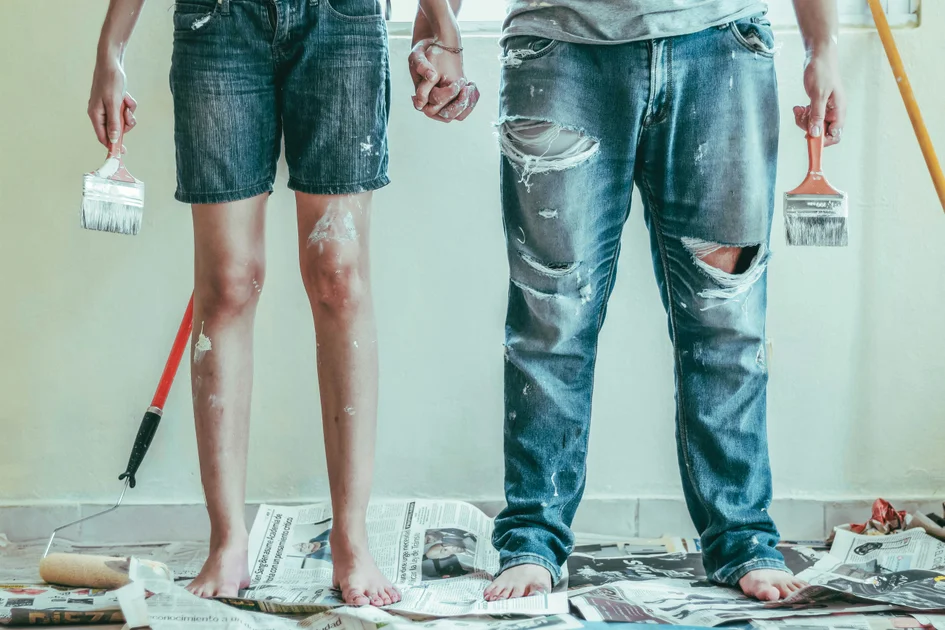

Essential safety tips for DIY home maintenance tasks have become a critical survival guide in 2026, as homeowners face rising service costs and a surge in complex smart-home integrations. While the allure of saving thousands on professional labor is tempting, the hidden risks of improper electrical work, structural tampering, and chemical exposure are often underestimated by the amateur enthusiast. Investigative data from insurance adjusters reveals that nearly forty percent of residential emergency claims originate from botched weekend projects. By understanding the intersection of modern building codes and physical safety, you can transform your home into a sanctuary rather than a construction hazard zone. This guide delves into the industry-standard protocols that professionals keep secret, ensuring your renovation remains both legal and structurally sound throughout the year.
The Hidden Dangers of Electrical DIY
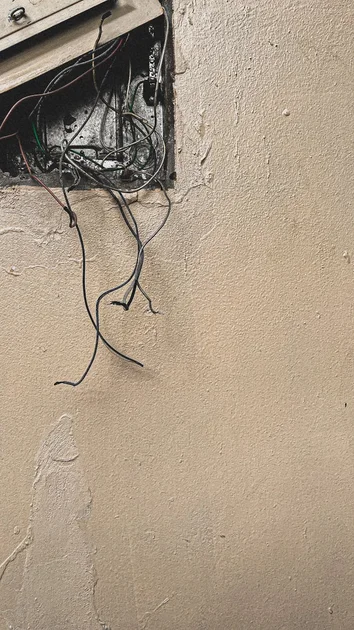
Most DIY enthusiasts underestimate the sheer lethality of residential wiring, often assuming that flipping a breaker is sufficient protection. In 2026, modern homes are equipped with advanced AFCI breakers that detect arc faults, yet amateur installers frequently bypass these safety mechanisms during panel upgrades. Industry experts suggest that the most dangerous phase of any electrical project is the testing period, where high-voltage contact is most likely to occur. Utilizing a non-contact voltage tester is a baseline requirement, but true professionals always verify against a known live source before beginning work. Skipping this step is the primary cause of preventable workplace accidents in domestic settings.
Furthermore, the proliferation of smart-home hubs has complicated simple light switch replacements. Many new switches require a neutral wire that older homes simply do not possess, leading many homeowners to attempt dangerous “creative” wiring solutions. According to the National Fire Protection Association, improper wiring remains a leading cause of residential structure fires. Always ensure that your wiring complies with the updated 2026 National Electrical Code (NEC) standards, which emphasize grounded circuits and fire-retardant enclosures. If you are ever unsure about the integrity of an existing circuit, it is far more cost-effective to hire a licensed electrician than to manage the aftermath of a catastrophic electrical failure.
Comparison Table of Safety Gear
| Safety Equipment | Entry Level (DIY) | Pro Grade (Expert) | Notes for 2026 |
|---|---|---|---|
| Respiratory Masks | Disposable N95 | P100 Respirator | P100 is required for silica dust |
| Eye Protection | Basic Safety Specs | ANSI Z87.1 Goggles | Must provide side protection |
| Gloves | Cotton/Synthetic | Kevlar-reinforced | Check for cut-resistance ratings |
| Voltage Detectors | Contact Probes | Non-contact induction | Always verify with a live source |
| Footwear | Work Boots | Steel-toe with shank | Prevents puncture from nails |
| Ladder Stability | Manual extension | Leveling feet system | Essential for uneven terrain |
Pros and Cons Analysis
The primary benefit of DIY home maintenance is the profound sense of autonomy and the significant reduction in overhead costs. By investing in quality tools and learning essential safety tips for DIY home maintenance tasks, homeowners build a deeper connection to their property. This hands-on approach allows for immediate repairs during emergencies, bypassing the long lead times often associated with professional contractors in 2026. Moreover, learning these skills serves as a hedge against inflation, as the ability to troubleshoot minor plumbing or electrical issues prevents small problems from escalating into expensive, structural catastrophes.
Conversely, the drawbacks are significant and center on liability and long-term asset value. When an amateur performs work without a permit or inspection, they often void their homeowners’ insurance policy, leaving them financially exposed in the event of a fire or flood. Additionally, subpar workmanship can drastically reduce the resale value of a property, as savvy buyers will insist on professional certifications for major systems. The hidden cost of time—including the hours spent researching codes and correcting mistakes—can often outweigh the initial savings. Balance your desire for independence with the reality of your expertise level before starting any major renovation.
Structural Integrity and Heavy Lifting
Many homeowners treat load-bearing walls with the same casualness as installing a bookshelf, a mistake that can lead to catastrophic structural failure. In the age of open-concept living, the urge to knock down partitions is strong, but doing so without a structural engineer’s assessment is reckless. Every wall in your home serves a purpose, whether it is distributing the weight of the roof or providing lateral stability against wind shear. Professionals use temporary shoring and hydraulic jacks to support the structure during these modifications, a level of technical precision that is rarely replicated by the casual weekend warrior.
The Importance of Load Distribution
Understanding how a building carries weight is fundamental to safety. When you remove a section of a wall, that load must be redistributed to a new header or beam system designed for the specific gravity of your home. In 2026, software-driven stress analysis tools are available to help identify these load paths, yet they do not replace the physical experience of a contractor who understands how wood settles over decades. Always consult the original architectural prints of your home if they are available; if not, assume the worst regarding structural load and hire a professional to survey the area before picking up a sledgehammer.
Chemical Hazards and Proper Ventilation
Modern home maintenance often involves aggressive solvents, adhesives, and sealants that require more than just an open window. Volatile Organic Compounds (VOCs) and hazardous dust particles are silent killers that cause long-term respiratory damage if not properly managed. When stripping paint or applying epoxy flooring, the use of a high-grade respirator is non-negotiable. Many DIYers mistakenly believe that a simple cloth mask provides protection, but these materials are designed for comfort, not filtration. Always refer to the Safety Data Sheet (SDS) provided by the manufacturer of any chemical product you bring into your home.
Furthermore, waste disposal is a frequently overlooked aspect of safety. Many chemicals used in home repair are classified as hazardous waste and cannot be disposed of in regular trash. For instance, oil-based stains and certain solvents can self-combust if soaked into rags and left in a pile. Following the EPA guidelines for chemical disposal ensures that you are not only protecting your own health but also preventing environmental contamination. Keep a dedicated, fire-safe container for all chemical-soaked rags and dispose of them through your local municipal hazardous waste program immediately after the job is complete.
Ladder Safety and Height Protocols
Falls are the leading cause of injury in home improvement projects, often resulting from the simple misuse of ladders. The “three-point contact” rule is the gold standard for a reason; keeping two hands and one foot, or two feet and one hand on the ladder at all times, prevents the majority of balance-related mishaps. In 2026, ladder technology has advanced to include stabilizer bars and leg-leveling systems that account for uneven ground. Never set a ladder on a rug or slick surface, and always ensure the base is positioned at the correct angle—usually one foot out for every four feet of height.
Additionally, working on roofs requires specialized fall-arrest systems that go beyond just a sturdy ladder. If you are cleaning gutters or repairing shingles, you must use a harness and tethering system anchored to a secure point on the building. Too many homeowners assume that because they are only ten feet off the ground, a fall won’t be fatal. Reality suggests otherwise; even low-height falls can result in life-altering injuries if you land on concrete or tools. Invest in personal protective equipment (PPE) as part of your project budget, and treat your safety gear with the same respect as your power tools.
Key Takeaways
- Always verify electrical circuits with a live-tested non-contact voltage detector.
- Never remove interior walls without a professional structural assessment or permit.
- Use a P100 respirator when dealing with sanding, chemicals, or demolition dust.
- Follow the three-point contact rule whenever working on ladders or scaffolds.
- Dispose of chemical-soaked materials in fire-safe, sealed metal containers.
- Consult local municipal building codes to ensure all work remains insurable.
Frequently Asked Questions
Can I do electrical work without a permit in 2026?
Most jurisdictions require a permit for any work involving new circuits or significant modifications to existing wiring. Failure to obtain one can lead to fines and insurance denial.
How do I know if a wall is load-bearing?
Look for walls that align with basement support beams or walls that run perpendicular to your floor joists. When in doubt, consult a professional structural engineer.
What is the most common DIY injury?
Lacerations from utility knives and falls from ladders remain the most frequent reasons for emergency room visits during home improvement projects.
Do I really need a respirator for painting?
If you are using oil-based paints or working in a poorly ventilated space, a respirator is necessary to filter out harmful VOCs and chemical fumes.
How often should I inspect my DIY work?
Perform a visual inspection of your work every six months to ensure that vibrations, settling, or temperature changes haven’t loosened connections or seals.
Conclusion
Mastering essential safety tips for DIY home maintenance tasks is not just about completing a project; it is about protecting the people and the legacy within your walls. As we navigate the complex home systems of 2026, your greatest tool is your own informed caution. By respecting the physics of your home, adhering to legal building standards, and utilizing the proper protective gear, you can achieve professional-grade results while mitigating the inherent risks of home improvement. Stay curious, stay prepared, and remember that the most successful project is the one that leaves your home safer than you found it.