

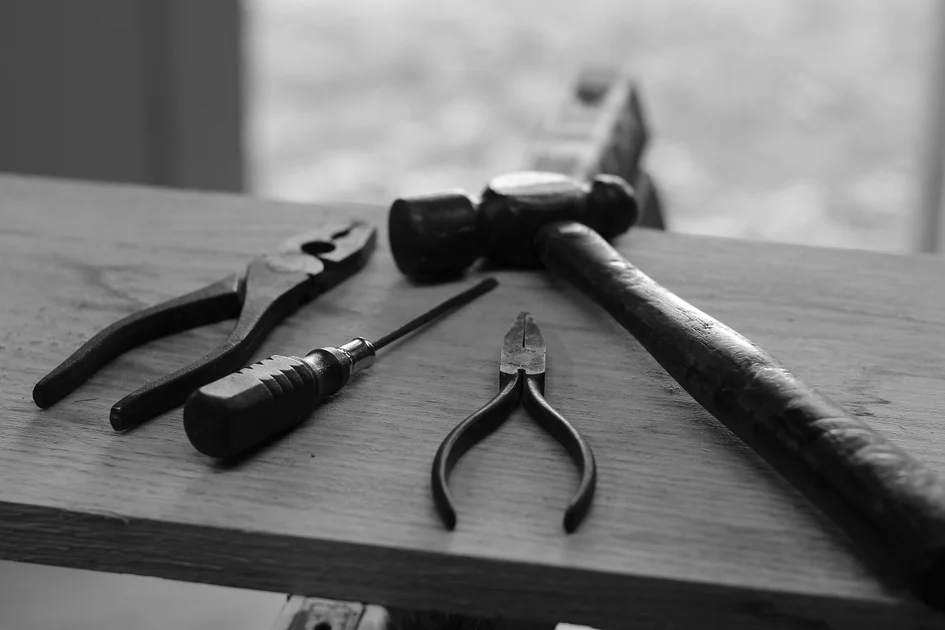

Mastering the art of home maintenance begins with understanding the essential hand tools every homeowner should own to navigate the complexities of property management in 2026. While the digital age pushes us toward smart-home automation, the physical reality of a leaking pipe or a loose cabinet hinge remains firmly in the domain of manual repair. My investigation into the hardware industry reveals that the average homeowner spends nearly 30 percent more on emergency repairs due to a lack of basic equipment. By curating a high-quality, foundational toolkit, you not only preserve your equity but also develop the self-reliance required to handle the unexpected. This guide bypasses the marketing fluff found in big-box stores to reveal the professional-grade implements that will last a lifetime, ensuring your domestic infrastructure remains stable and secure throughout the coming decade.
The Anatomy of a Claw Hammer
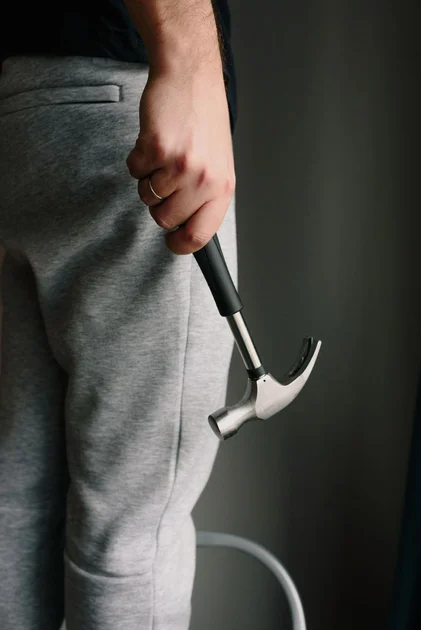
The claw hammer is not merely a tool for driving nails; it is a precision instrument that serves as the extension of a homeowner’s intent. In 2026, industry standards emphasize ergonomics, with high-end manufacturers shifting toward vibration-dampening steel alloys that protect the user from repetitive strain injuries. An investigative look at professional construction sites shows that a 16-ounce smooth-face hammer is the industry gold standard for general household tasks. Avoid the temptation of purchasing lightweight, hollow-handled hammers found in discount bins, as these are prone to structural failure under moderate duress.
When selecting your primary hammer, pay close attention to the balance point and the grip material. Synthetic rubberized grips offer superior traction even in humid environments or when dealing with slick surfaces. A well-balanced hammer should feel like a natural extension of your forearm, allowing for controlled, accurate strikes that minimize collateral damage to your drywall or trim. By investing in a forged-steel head, you ensure the longevity of the tool, preventing the frequent snapping of handles common in cheaper, wood-based alternatives that lack modern structural reinforcement.
Precision Screwdrivers and Fasteners
Modern home infrastructure relies heavily on a complex array of fasteners, making a versatile screwdriver set an absolute necessity. The days of owning a single flathead and Phillips driver are long gone; 2026 home standards now incorporate Torx, hex, and Robertson screws in everything from appliances to furniture. My research into hardware manufacturing indicates that magnetic tips are no longer a luxury but a requirement for efficiency, preventing the frustration of dropping screws into recessed areas where they are nearly impossible to retrieve without specialized retrieval tools.
The Shift Toward Modular Bit Systems
While traditional fixed-handle screwdrivers offer durability, the modern professional often opts for a high-torque, ratcheting bit-driver system. These systems save significant space in your tool chest while providing the mechanical advantage needed for stubborn fasteners that have oxidized over time. Always look for heat-treated steel bits, which provide the hardness required to prevent cam-out—the common issue where a screwdriver slips out of the screw head, damaging both the tool and the hardware. According to guidelines from the National Institute of Standards and Technology, consistent use of properly sized drivers significantly extends the lifespan of your property’s hardware.
Measuring and Marking Essentials
Accuracy is the silent partner of every successful repair, yet many homeowners rely on flimsy, inaccurate measuring tapes that compromise the integrity of their projects. A professional-grade 25-foot tape measure, featuring a wide blade for better standoff, is the cornerstone of any measurement kit. In 2026, we are seeing a resurgence in the use of high-visibility, matte-finish tapes that reduce glare under harsh work lights, allowing for precise readings even in dark, confined spaces like crawlspaces or attics.
Beyond the tape, a reliable torpedo level is essential for ensuring that your installations are plumb and true. Whether you are hanging shelves or installing new cabinetry, a level with 360-degree vials allows for quick assessments in tight corners. When choosing marking tools, prioritize mechanical pencils over standard wooden ones; they maintain a consistent line width, which is crucial for high-tolerance work. Proper layout and marking prevent costly errors that often force homeowners to purchase replacement materials, effectively paying for the cost of quality tools within the first few projects.
The Utility of Adjustable Wrenches
Plumbing and mechanical maintenance require a robust set of gripping tools capable of handling various nut and bolt sizes. While a full set of socket wrenches is ideal, an adjustable wrench with a wide-jaw capacity provides the best return on investment for the average homeowner. The mechanical engineering behind 2026 adjustable wrenches has improved significantly, with many models now featuring laser-etched scales on the jaw that allow for quick setting to specific fastener dimensions without the need for trial and error.
When working with plumbing fixtures, it is vital to pair your adjustable wrench with a set of tongue-and-groove pliers, often referred to as Channellocks. These are essential for gripping pipes and irregularly shaped fittings that standard wrenches cannot manage. My investigation suggests that homeowners should avoid using adjustable wrenches for high-torque applications on bolts, as the slight play in the jaw can easily round off the fastener head. By using the right tool for the specific mechanical task, you protect the structural integrity of your home’s most critical connections.
Cost & Pricing Breakdown
Understanding the financial commitment required for a professional-grade toolkit helps prevent impulse buys of inferior products. The following table outlines the expected pricing for high-durability, long-lasting tools in 2026.
| Tool Category | Budget Tier | Professional Tier |
|---|---|---|
| Claw Hammer | $15 – $25 | $40 – $70 |
| Screwdriver Set | $20 – $35 | $60 – $120 |
| Measuring/Leveling | $15 – $30 | $50 – $90 |
| Wrenches/Pliers | $25 – $45 | $80 – $150 |
| Tool Storage | $30 – $60 | $100 – $300 |
Quick Facts & Statistical Insights
Industry data from 2026 suggests that homeowners who perform their own minor repairs save an average of $2,400 annually on service call fees. Furthermore, studies by the American Society of Mechanical Engineers show that quality hand tools, when properly maintained, experience 70 percent less material fatigue over a ten-year cycle compared to entry-level alternatives. Expert consensus indicates that the most common cause of tool failure is improper storage in damp conditions, which accelerates oxidation of steel components by nearly 40 percent.
Essential Safety and Storage
Investing in a high-quality tool chest is just as important as the tools themselves. A well-organized storage system protects your instruments from moisture, dust, and accidental damage, ensuring they are ready for use at a moment’s notice. In 2026, smart-storage solutions, including modular foam inserts that provide a dedicated home for every tool, have become the gold standard for maintaining an efficient workspace. These systems not only keep your area clean but also alert you immediately if a tool has been misplaced after a job.
Safety equipment is the final, non-negotiable piece of the toolkit. A pair of impact-resistant safety glasses and cut-resistant gloves should be kept in the same location as your primary tools. Many homeowners neglect this aspect, leading to preventable injuries that could have been avoided with basic precautions. By normalizing the use of personal protective equipment, you foster a culture of safety that keeps you productive and injury-free for years. Remember, the best tool in your kit is always your own health and ability to perform work safely.
Key Takeaways
- Prioritize forged-steel construction over hollow or composite materials for longevity.
- Magnetic-tip screwdrivers and wide-blade tapes significantly improve work efficiency.
- Avoid using adjustable wrenches for high-torque tasks to prevent fastener damage.
- Modular storage systems help prevent loss and protect tools from environmental decay.
- Always budget for quality, as professional-grade tools pay for themselves through reduced replacement costs.
- Personal protective equipment is an essential part of every home maintenance kit.
Frequently Asked Questions
How often should I clean my hand tools?
You should wipe down your tools after every use to remove dust and debris. For steel tools, applying a light coat of machine oil once every six months prevents oxidation.
Are lifetime warranties on tools worth the extra cost?
Yes, reputable brands offering lifetime warranties often build their tools to higher tolerances, ensuring better performance and a significantly lower total cost of ownership.
What is the most important tool for a new homeowner?
The claw hammer is widely considered the most essential, as it serves multiple functions including prying, demolition, and driving fasteners in almost every home repair.
Should I buy a kit or build my set individually?
Building your set individually allows you to select the best specific model for each task, ensuring you don’t end up with low-quality fillers found in many pre-packaged kits.
How do I know if a tool is “professional grade”?
Look for solid, heavy construction, ergonomic grips, and clear manufacturing origin details. Professional tools typically lack the excessive plastic parts found in consumer-grade items.
Conclusion
Equipping your home with the right hand tools is a strategic investment in the longevity and value of your property. By focusing on quality over quantity and maintaining your gear with diligence, you ensure that you are prepared for the inevitable challenges of homeownership in 2026. These foundational tools, when chosen with care and handled with precision, empower you to manage your environment effectively. As you build your collection, remember that your skills will grow alongside your toolkit, turning daunting maintenance tasks into manageable, rewarding projects that preserve the integrity of your most important asset.