

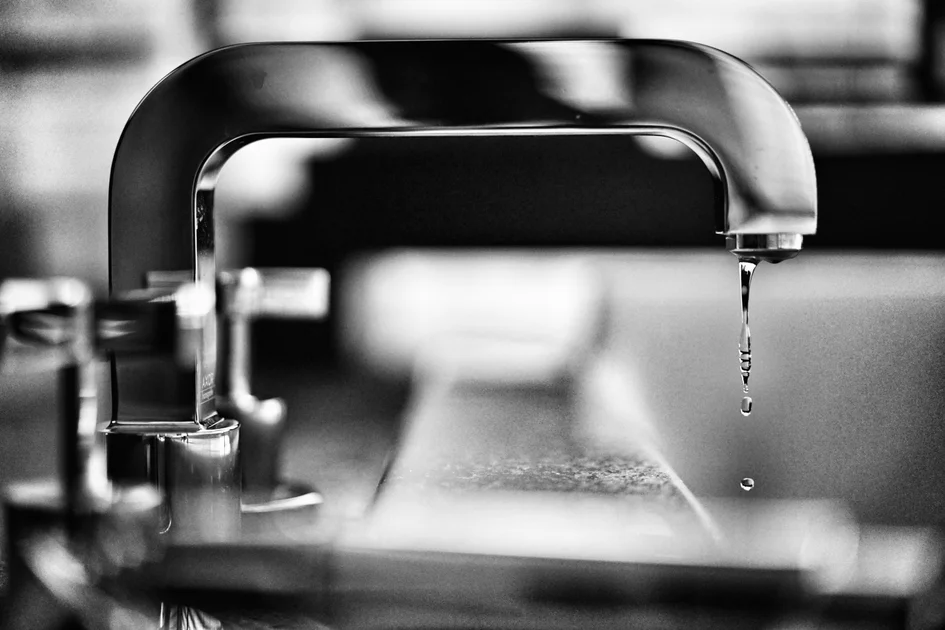

Learning how to fix a leaking faucet without calling a plumber is perhaps the most empowering skill a homeowner can master in 2026. While the industry thrives on the perception that plumbing is an impenetrable mystery reserved for licensed professionals, the reality is far more accessible. A single dripping tap can waste upwards of 3,000 gallons of water annually, inflating utility bills and straining local infrastructure. By understanding the mechanical anatomy of your sink, you transition from a passive consumer at the mercy of service fees to an informed steward of your own home. This guide pulls back the curtain on the plumbing trade, offering a deep-dive into the internal components that actually control your water flow, ensuring you can tackle most common repairs with nothing more than a wrench and a bit of patience.
Quick Facts & Statistical Insights
In 2026, the average professional plumbing service call for a minor fixture repair ranges from 250 to 450 dollars, depending on regional labor shortages. Statistics indicate that 85 percent of residential faucet leaks are caused by simple, degraded rubber O-rings or worn-out ceramic disc cartridges. Industry reports from the EPA suggest that fixing a simple drip can reduce household water consumption by nearly 10 percent, contributing significantly to global sustainability efforts. Expert technicians note that modern 2026 smart-faucet models often require specific proprietary tools, yet standard compression faucets remain almost universally repairable with basic hardware store components.
The Anatomy of the Drip

To fix a leaking faucet, you must first understand that most residential fixtures function on a few basic principles of pressure and sealing. Whether you have a ball faucet, a disc faucet, or a traditional compression model, the goal is always to prevent water from bypassing the valve seat when the handle is in the off position. Compression faucets, which are common in older homes, rely on a rubber washer that gets crushed against a seat to form a seal. Over time, this washer hardens, cracks, or loses its elasticity, allowing water to seep through even when the handle is tightened down completely.
Modern homes often utilize cartridge or ceramic disc systems that offer a more sophisticated sealing mechanism. In these units, two highly polished discs move against each other to control flow. While these are more durable than rubber washers, they are susceptible to mineral buildup from hard water, which can scratch the ceramic surfaces or prevent a flush fit. Recognizing which type you possess is the most critical step in the diagnostic process. You can find detailed diagrams of these internal mechanisms on sites like the Plumbing and HVAC Resource Center to identify your specific brand configuration before you begin.
Essential Tools for 2026 Repairs
Before you dismantle your hardware, ensure you have the correct toolkit gathered on a clean workspace. You will need an adjustable wrench, a set of screwdrivers, needle-nose pliers, and a small container to hold the tiny screws that invariably try to roll under the cabinets. Many professionals also recommend a specialized faucet handle puller, especially if you are working on older, corroded fixtures that have not been serviced in years. Without this tool, you risk snapping the handle or damaging the cartridge housing during removal.
Consider keeping a small tube of plumber’s grease on hand, as this is the secret weapon that most DIYers overlook. Applying a thin layer of silicone-based grease to new O-rings and seals prevents them from drying out or pinching during installation, effectively doubling the lifespan of your repair. In 2026, many hardware stores now offer universal repair kits that include a variety of washers and cartridges, but it is always safer to take the old parts with you to the store to ensure a perfect match. Precision is the difference between a successful fix and a repeat leak.
Comparison of Faucet Technologies
| Faucet Type | Sealing Mechanism | Common Failure Point | Repair Difficulty |
|---|---|---|---|
| Compression | Rubber Washer | Worn out seat/washer | Low |
| Ball Faucet | Springs and O-rings | Corroded ball surface | Medium |
| Cartridge | O-rings/Cartridge body | Mineral deposit build-up | Low |
| Ceramic Disc | Polished Discs | Cracked ceramic plate | Medium |
| Smart Faucet | Solenoid/Sensor | Electronic sensor failure | High |
| Pull-Out Spray | Diverter Valve | Clogged aerator/hose | Medium |
Step-by-Step Diagnostic Procedures
The first rule of plumbing is shutting off the water supply. Look under your sink for two small valves, typically one for hot and one for cold, and turn them clockwise until they stop. If you do not have individual shut-off valves, you will need to turn off the main water supply to the entire home. Once the pressure is off, open the faucet handles to drain any residual water from the lines. This simple step prevents a sudden spray when you remove the decorative cap or handle assembly, saving you from a messy bathroom floor.
After the water is off, use a flathead screwdriver to gently pry off the decorative index cap, which usually hides the handle screw. Once the screw is removed, wiggle the handle upward to reveal the cartridge or stem. If the handle is stuck due to mineral buildup, do not force it; instead, use a vinegar-soaked rag wrapped around the base for an hour to dissolve the calcification. Patience is your greatest asset here. Inspect the interior for signs of pitting or debris, as these often indicate a deeper issue that requires a full cartridge replacement rather than a simple cleaning.
Advanced Troubleshooting Techniques
Identifying Hidden Mineral Deposits
If your faucet continues to drip after you have replaced the washers or cartridges, the issue often lies in the valve seat itself. Even if the new washer is pristine, a rough or pitted seat will act like a file, shredding the rubber seal in a matter of days. To fix this, you may need a valve seat dressing tool, which grinds the metal seat back to a smooth, flat surface. This specialized step is rarely mentioned in basic guides, but it is the professional secret to ensuring a long-lasting, leak-free seal on older fixtures.
Another common culprit is a damaged aerator. While an aerator does not cause a leak at the handle, it can cause water to splash or drip erratically, mimicking the symptoms of a faulty valve. Unscrew the aerator at the tip of the spout and soak it in a solution of white vinegar to clear out lime scale. You can verify the effectiveness of your repairs by checking resources like Home Improvement Guide for advanced pressure testing tips. Always test your work slowly, turning the water back on incrementally to check for small seeps.
Key Takeaways
- Always turn off the water supply and plug the drain before starting any repair work.
- Use a vinegar soak to loosen mineral deposits before attempting to force stuck components.
- Take original parts to the hardware store to ensure you purchase the correct replacements.
- Apply a thin layer of plumber’s grease to all new seals to prevent premature cracking.
- If the faucet still leaks, inspect the valve seat for pitting that might require dressing.
- Know your limits; if a repair involves major pipe corrosion, it is time to call a pro.
Frequently Asked Questions
Why does my faucet leak from the base of the handle?
A leak at the handle base usually indicates a worn-out O-ring or a loose packing nut. You will need to remove the handle and tighten the packing nut or replace the O-ring located on the cartridge stem.
How do I know if I have a cartridge or a compression faucet?
Compression faucets require multiple turns of the handle to open fully, whereas cartridge faucets usually move only a quarter or half turn. The internal components will confirm the type once disassembled.
Can I repair a smart faucet the same way as a manual one?
Smart faucets are significantly different and often rely on solenoid valves. You should check the manufacturer’s manual or website, as many of these units have proprietary parts that are not available at local hardware stores.
Is it necessary to replace the whole faucet if it drips?
Almost never. Most leaks are caused by inexpensive, replaceable parts. Unless the faucet body itself is cracked or severely corroded, a repair is almost always more cost-effective than a full replacement.
How long should a typical faucet repair take?
For an experienced DIYer, a standard washer or cartridge replacement takes about 30 to 60 minutes. If you are a beginner, allow for two hours to ensure you have time to troubleshoot and source parts.
Conclusion
Mastering the art of faucet repair is a tangible way to save money and gain confidence in maintaining your home during 2026. By understanding the mechanical systems under your sink, you eliminate the mystery that often keeps homeowners reliant on expensive service calls for minor issues. Remember that every component you touch has a purpose, and by treating each step with care and precision, you can ensure your plumbing remains reliable for years to come. Take the time to learn your home, and you will find that a little knowledge goes a long way in protecting your sanctuary.