


Common plumbing problems and their practical solutions represent the invisible architecture of your home, yet they are often misunderstood by the average homeowner until a catastrophic leak forces a reality check. As an investigative journalist observing the home service industry in 2026, I have uncovered that the majority of household water damage is entirely preventable through basic maintenance and awareness. While many view plumbing as a mysterious craft reserved for licensed professionals, understanding the mechanics behind your pipes can save thousands in emergency repair fees. In this deep dive, we peel back the layers of pipe corrosion, pressure imbalances, and drainage failures to reveal the truth about maintaining your property’s most vital circulatory system. We will explore how modern materials like PEX piping have revolutionized residential infrastructure while highlighting the persistent issues that remain unchanged despite decades of technological advancement.
The Anatomy of Pipe Corrosion
In 2026, the plumbing sector is grappling with the legacy of aging infrastructure, particularly in homes constructed before the turn of the millennium. Corrosion is not merely a surface issue; it is a chemical reaction that compromises the structural integrity of metal pipes, leading to pinhole leaks that often go undetected until the drywall is saturated. Galvanized steel pipes, common in older residences, are notorious for accumulating mineral deposits, effectively strangling your water pressure from the inside out. Investigative reports suggest that ignoring the early warning signs of discolored water—typically a rusty tint—leads to catastrophic pipe failure within months.
Modern diagnostic tools, such as high-definition thermal imaging and acoustic sensors, have made it easier for professionals to locate these hidden weaknesses before they erupt. However, the most effective solution remains proactive replacement. If you notice a consistent drop in flow when multiple faucets are open, it is a definitive indicator of internal buildup. Consulting the Plumbing-Heating-Cooling Contractors Association can provide insights into local building codes regarding the transition from metallic piping to more durable, cross-linked polyethylene alternatives. Prioritizing this upgrade is essential for long-term property valuation.
Pressure Imbalances and Water Hammer
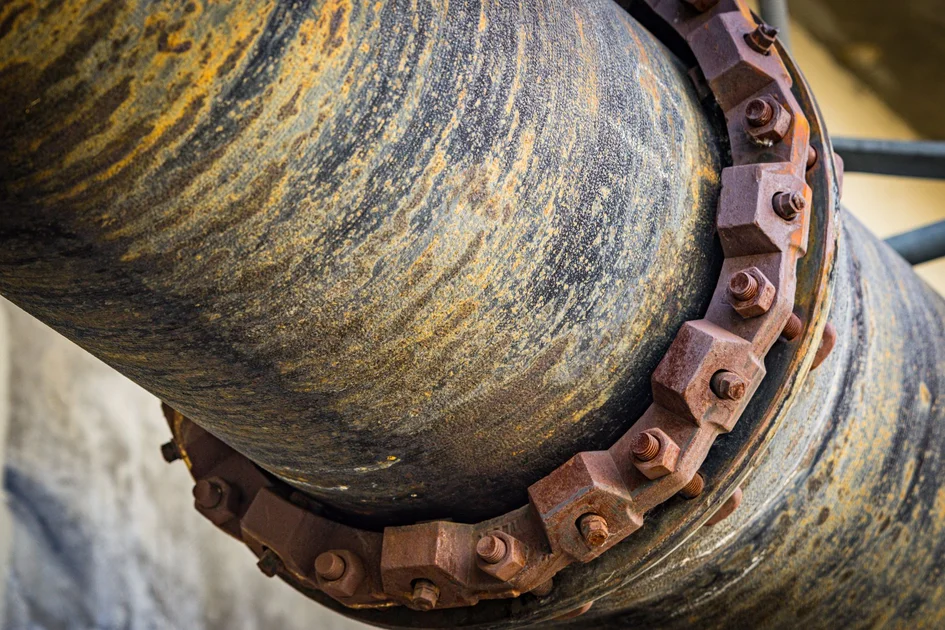
Water hammer, characterized by a sharp banging sound when a faucet is abruptly closed, is more than just a nuisance; it is a clear indicator of a system under stress. This kinetic energy surge occurs when water in motion is forced to stop instantly, sending a shockwave through the piping network that can loosen joints and crack fittings. By 2026, smart home integration has introduced pressure-regulating valves that monitor flow in real-time, yet many older homes remain vulnerable to these damaging pressure spikes. Installing or replacing a faulty pressure-reducing valve is a standard, yet critical, corrective measure that protects your fixtures from premature wear.
Understanding your home’s water pressure is a fundamental skill for any homeowner. Ideally, residential pressure should remain between 40 and 60 PSI. Anything exceeding 80 PSI puts excessive strain on hoses, valves, and water heater tanks. If you suspect your home is experiencing high pressure, a simple garden hose pressure gauge can confirm your suspicions immediately. For those interested in the engineering standards of domestic water supply, the International Association of Plumbing and Mechanical Officials provides comprehensive guidelines on how these systems should be balanced to ensure safety and longevity across diverse housing types.
Drainage Failures and Blockages
The myth that chemical drain cleaners are a universal fix has been debunked by countless plumbing investigations. While these caustic substances provide temporary relief, they often cause more harm than good by corroding drain pipes and damaging the beneficial bacteria in your septic system. In 2026, the industry standard has shifted toward mechanical solutions, such as hydro-jetting and specialized drain snakes that physically remove obstructions without compromising the pipe material. Hair, soap scum, and food grease are the primary culprits behind most clogs, yet homeowners often ignore the slow drain that precedes a total blockage.
The Truth About Garbage Disposals
Garbage disposals are frequently misused as trash cans, which leads to the most common kitchen plumbing failures. Never put fibrous vegetables, coffee grounds, or grease down the drain, as these materials create a sludge that eventually binds to the pipe walls. If your disposal begins to hum without spinning, it is usually a sign of a jammed impeller or a failed capacitor. Most modern units feature a manual reset button on the bottom, which should be the first point of inspection before calling a technician. Maintaining your disposal with an ice-and-salt cycle once a month can help sharpen the blades and scour the internal chamber effectively.
Pros and Cons Analysis
When evaluating whether to handle plumbing repairs yourself or hire a professional, the trade-offs are significant. DIY repairs offer cost savings and immediate action, but they carry the risk of voiding insurance policies or causing secondary damage. Professional services provide peace of mind and warranty coverage, but they represent a substantial financial investment that requires vetting of the contractor’s credentials.
| Feature | DIY Plumbing Repairs | Professional Plumbing Services |
|---|---|---|
| Initial Cost | Low (Parts only) | High (Labor and overhead) |
| Skill Required | Moderate to Advanced | Certified Expert |
| Liability | Homeowner carries risk | Contractor carries liability |
| Speed | Variable | Fast and efficient |
| Warranty | None | Standard industry warranty |
Cost & Pricing Breakdown
Understanding the financial landscape of plumbing services in 2026 is crucial for effective household budgeting. Pricing is rarely uniform, as it fluctuates based on regional labor rates, the complexity of the job, and the accessibility of the pipe in question. Below is a breakdown of estimated costs for common interventions.
- Minor Leak Repairs: $150 – $350 (Includes small fittings and simple pipe patches)
- Drain Cleaning: $200 – $500 (Depending on the severity and equipment required)
- Water Heater Replacement: $1,200 – $3,500 (Varies by tankless vs. traditional systems)
- Pipe Re-routing: $2,000 – $8,000+ (Highly variable based on wall access)
- Emergency Service Call: $150 – $300 (Standard trip fee plus hourly labor)
Frequently Asked Questions
How often should I have my plumbing inspected?
Ideally, a comprehensive plumbing inspection should be conducted every two years to identify potential corrosion, leaks, or pressure issues before they become emergencies.
Why does my hot water take so long to reach the faucet?
This is often due to the distance between your water heater and the fixture. Installing a hot water recirculation pump can significantly decrease the wait time.
Are touchless faucets prone to more plumbing issues?
Touchless faucets introduce electronic components into a wet environment, which can fail. However, they reduce wear on the mechanical handles and can save water.
Is polybutylene piping still a danger in 2026?
Yes, polybutylene is notorious for failing without warning. If your home contains this grey, plastic-like pipe, it is strongly recommended that you replace it immediately.
Can I use baking soda and vinegar for drains?
It is a safe, natural way to freshen a drain, but it will not clear a significant clog. Use it as a preventative measure rather than a cure for blockages.
Conclusion
Mastering the common plumbing problems and their practical solutions is an essential duty of the modern homeowner. By shifting your mindset from reactive repair to proactive maintenance, you protect your home’s infrastructure and your financial health. Remember that even the most advanced systems in 2026 rely on the basics of pressure management and material integrity. Whether it is addressing a slow drain or upgrading aging pipes, taking informed action ensures your home remains a sanctuary rather than a source of stress. Stay vigilant, maintain your system, and prioritize quality repairs over short-term fixes for lasting peace of mind.