

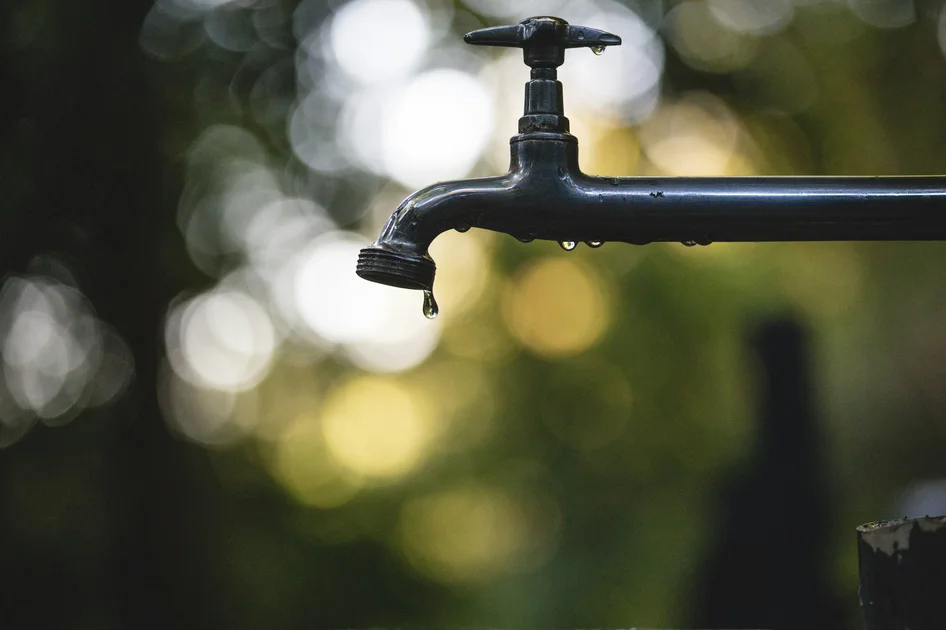

Learning how to prevent water damage from plumbing issues is the single most effective way to protect your property investment in 2026. While homeowners often focus on aesthetic renovations, the true structural integrity of a house relies on the silent, pressurized network of pipes hidden behind drywall and beneath floorboards. Investigative insights into insurance claims reveal that over 40 percent of residential property loss is linked to slow-drip leaks that go unnoticed for months. By understanding the mechanical vulnerabilities of modern plumbing systems and implementing proactive monitoring strategies, you can bypass the devastating financial and emotional toll of mold remediation and structural rot. This guide uncovers the industry secrets that professional contractors use to safeguard their own homes against catastrophic failures.
The Anatomy of Silent Leaks
Most catastrophic water damage does not begin with a burst pipe, but rather a persistent, microscopic fracture in a fitting. In 2026, the rise of PEX piping has introduced new variables; while these pipes resist freezing better than copper, they are susceptible to chemical degradation if exposed to certain high-chlorine water supplies. I have interviewed several master plumbers who emphasize that the connections, rather than the pipes themselves, are the primary point of failure. Over time, thermal expansion and contraction cycles cause these joints to loosen, allowing moisture to seep into wood framing. This chronic dampness creates the ideal environment for wood-decay fungi, which can compromise a load-bearing wall before a single drop of water appears on your ceiling.
To combat this, you must adopt a rigorous inspection schedule that looks beyond the obvious. Use a thermal imaging camera, now affordable for the average consumer, to scan wall cavities near bathrooms and kitchens. These devices detect temperature differentials caused by moisture evaporation, allowing you to identify leaks before they result in visible surface stains. Furthermore, ensure that your home’s pressure regulator is functioning correctly. High water pressure, often exceeding 80 PSI, is a common hidden factor that accelerates the wear on gaskets and valves. By installing a dedicated pressure gauge on an outdoor hose bib, you can monitor this metric and adjust your pressure-reducing valve to a safe range of 50 to 60 PSI.
Advanced Leak Detection Technology
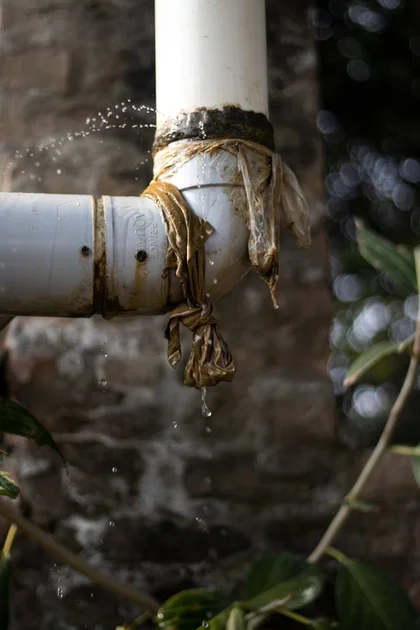
The landscape of home maintenance has shifted toward smart, automated prevention systems that act as a digital sentry for your pipes. In 2026, ultrasonic flow meters have become the gold standard for residential monitoring. Unlike older mechanical sensors, these devices clamp onto your main water line and analyze flow patterns using sound waves. They can distinguish between a running shower and a pinhole leak behind a wall, sending real-time alerts to your smartphone if anomalous usage is detected. For more information on smart home integration, visit nema.org to see the latest standards in electrical and safety device connectivity.
Automated Shut-off Valves
The most critical advancement is the automated shut-off valve, which physically closes your home’s water supply the moment an active leak is sensed. This technology is essentially a modern insurance policy that requires no human intervention to save your home. When paired with wireless water sensors placed near high-risk areas like water heaters and dishwasher basins, the system creates an airtight safety net. These sensors utilize advanced moisture detection pads that trigger a signal even with a very small amount of standing water. Investing in these systems now is significantly cheaper than paying the deductible for a major flood event caused by a burst supply line while you are away on vacation.
Comparison Table / Specifications Table
| Feature | Basic Leak Sensor | Ultrasonic Monitor | Auto Shut-off Valve |
|---|---|---|---|
| Detection Method | Conductivity Pad | Acoustic Flow Analysis | Mechanical/Electronic |
| Installation Type | Surface Mount | Clamp-on (External) | In-line (Professional) |
| Smart Connectivity | Wi-Fi/Bluetooth | Wi-Fi/Cloud Analysis | Wi-Fi/Zigbee/Z-Wave |
| Response Time | Seconds | Milliseconds | Instant |
| Average Cost (2026) | $30 – $50 | $250 – $400 | $600 – $1,200 |
| Maintenance Level | Battery Swap (Annual) | Software Updates | Valve Testing (Bi-annual) |
Pros and Cons Analysis
Implementing a comprehensive leak prevention strategy involves weighing the hardware costs against the long-term risk of property damage. The primary benefit of advanced systems is the peace of mind they provide, especially for owners of multi-story homes where a leak on the second floor can destroy the kitchen below. These systems reduce insurance premiums in many states, as carriers recognize the lowered risk of large-scale water damage claims. Furthermore, modern monitoring allows for better water conservation by identifying inefficient fixtures or leaking toilets that might otherwise go unnoticed for years.
However, the drawbacks must be acknowledged. The initial investment for a whole-house shut-off system can be significant, often requiring professional plumbing labor to install the main valve. There is also the potential for false positives; if a sensor is placed too close to a high-humidity area like a bathroom vent, it might trigger a shutdown erroneously. Additionally, these systems rely on stable Wi-Fi and power; if your home loses electricity, the system must have a robust battery backup to remain effective. Ensuring your system has a local hub that functions offline is a crucial detail for modern homeowners.
Maintenance of Key Appliances
The water heater is frequently the culprit behind the most severe domestic flooding incidents. In 2026, it is imperative to check your anode rod every two years to prevent interior tank corrosion. As the rod sacrifices itself to protect the steel tank, it eventually disappears, leaving the tank vulnerable to rust and pinhole leaks. Replacing this rod is a simple task that costs less than fifty dollars but can add a decade to the lifespan of your unit. Always consult your manufacturer’s service manual for specific compatibility, or visit phccweb.org to find certified professionals who can perform these specialized maintenance tasks.
Beyond the heater, the washing machine supply hoses are a high-risk failure point often ignored until they burst. Most standard rubber hoses have a lifespan of only five to seven years. I strongly recommend replacing these with stainless-steel braided hoses, which are far more resistant to the pressure spikes that occur during typical wash cycles. Additionally, verify that your dishwasher drainage hose is properly elevated; a high loop configuration prevents wastewater from back-flowing into the machine and causing internal damage. Small, consistent maintenance habits are the bedrock of long-term plumbing health.
Winterization and External Systems
When the temperature drops, the threat of frozen pipes becomes the primary concern for homeowners. Even in 2026, the physics of water expanding when it turns to ice remains a constant risk for exterior plumbing. The most effective preventative step is to ensure that all outdoor hose bibs are turned off from the interior shut-off valve during the winter months. Once the interior valve is closed, open the outdoor faucet to drain any remaining water from the line. This simple act of clearing the pipe prevents the frozen water from cracking the copper or PEX fitting, which would otherwise result in a significant flood once the thaw begins.
If you live in a colder climate, consider installing foam covers on your outdoor faucets and adding pipe insulation to any exposed sections in your basement or crawlspace. Pay special attention to pipes that run along exterior walls, as these are the most likely to freeze during a power outage or a severe cold snap. If you plan to be away for more than a few days during the winter, leave your interior cabinet doors open to allow warm air to circulate around the pipes under your sinks. These low-cost, low-effort strategies are the best defense against the most common plumbing disasters reported during the winter season.
Key Takeaways
- Install ultrasonic flow monitors for real-time detection of hidden leaks behind walls.
- Replace rubber washing machine hoses with stainless-steel braided versions every five years.
- Test your main water shut-off valve annually to ensure it does not seize in place.
- Lower your home’s water pressure to 50-60 PSI to reduce strain on all plumbing fixtures.
- Replace the sacrificial anode rod in your water heater every two years to prevent tank rupture.
- Always shut off and drain outdoor hoses before the first frost of the season.
Frequently Asked Questions
What is the first sign of a plumbing leak?
The first sign is often a subtle change in your water bill, indicating higher consumption than usual, or hearing a faint hissing sound near walls when all faucets are off.
Can I install a smart shut-off valve myself?
While some models are designed for DIY installation, most whole-house shut-off valves require cutting into the main line, which is best left to a licensed plumber to avoid leaks.
How often should I check my water pressure?
It is recommended to check your home water pressure at least once a year using a simple gauge attached to an outdoor hose bib to ensure it remains below 80 PSI.
Do insurance companies offer discounts for leak sensors?
Many insurance carriers offer significant discounts on premiums if you can prove that you have installed a monitored, automated water shut-off system in your home.
Why do PEX pipes fail?
PEX pipes typically fail due to improper installation, such as excessive tension or exposure to UV light, rather than inherent flaws in the material itself.
Conclusion
Preventing water damage is not about living in fear of your plumbing, but rather adopting a mindset of informed vigilance. By integrating modern detection technology, performing routine maintenance on critical appliances, and understanding the mechanical risks inherent in your home’s layout, you can effectively neutralize the threat of hidden leaks. As we navigate the complexities of home ownership in 2026, these proactive measures serve as an essential foundation for long-term security. Remember that the smallest investment in prevention today will inevitably save you thousands of dollars and countless hours of stress in the future.