


I remember it like it was yesterday: a Saturday morning, coffee in hand, when a sudden, ominous drip turned into a steady stream from under my kitchen sink. Panic set in. I had no idea what to do, let alone what tools I needed. That day, I learned a crucial lesson about homeownership: having an essential home repair tools list isn’t just about convenience; it’s about empowerment, saving money, and preventing minor issues from becoming major headaches. Trust me, you don’t want to be scrambling for a wrench at 2 AM. This article isn’t just a list; it’s a roadmap crafted from years of hands-on experience, designed to equip you, the beginner, with the foundational knowledge and the right gear to tackle common household repairs with confidence, all while keeping an eye on your budget in 2026.
The Foundation: Measuring and Marking
Before you cut, drill, or fasten anything, you absolutely must measure and mark accurately. This isn’t just a suggestion; it’s the golden rule of any successful home repair project. My toolkit always starts with a reliable tape measure. I recommend a 25-foot model with a sturdy locking mechanism and clear markings, which typically ranges from $15 to $30. Don’t skimp here; a cheap tape measure can lead to costly mistakes. Pair this with a good carpenter’s pencil (around $5 for a pack) for marking cuts or drilling spots, as its flat design prevents rolling and its thick lead makes clear lines.
Beyond basic measurements, a stud finder is an unsung hero for hanging anything securely on your walls, from shelves to TVs. Hitting a stud means your item won’t come crashing down, and it avoids damaging drywall unnecessarily. Basic magnetic stud finders can be found for as little as $10, while more advanced electronic models with live wire detection might cost $30-$60. Investing in one of these means you’ll always know what’s behind your drywall, preventing future headaches and ensuring your installations are safe and sound. It’s a small investment for significant peace of mind.
Fastening and Loosening Essentials
Every home, without exception, needs a solid set of screwdrivers. You’ll encounter Phillips head and flathead screws in countless sizes, so a multi-bit screwdriver or a basic set of dedicated drivers (typically $20-$40) is indispensable. Beyond screws, a good adjustable wrench (8-inch or 10-inch, costing $15-$30) is perfect for tightening or loosening nuts and bolts on plumbing fixtures or furniture. Its versatility makes it a must-have, allowing it to adapt to various sizes without needing an entire set of fixed wrenches immediately.
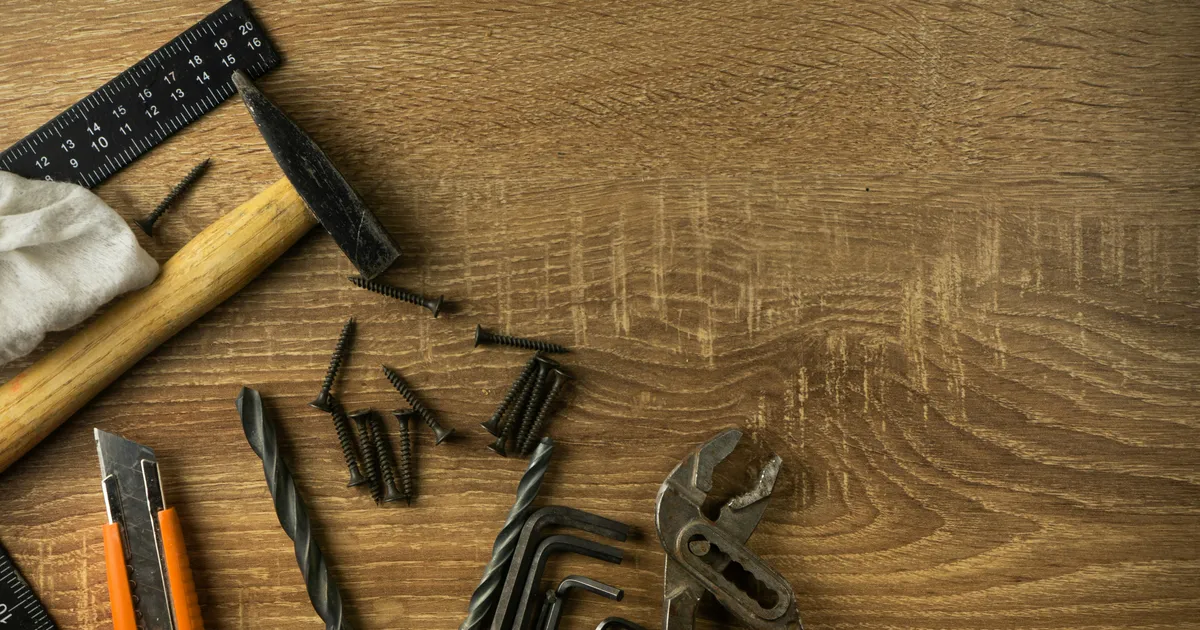
And then there’s the hammer. A 16-ounce claw hammer (around $20-$40) is the quintessential tool for driving nails, but its claw end is equally crucial for prying them out or even light demolition. I’ve used mine for everything from hanging pictures to disassembling old furniture. When choosing, look for a comfortable grip and a well-balanced feel. While power drills are fantastic, a manual screwdriver and hammer remain the backbone of any beginner’s toolkit, tackling 90% of your initial repair needs without the added complexity or cost of power tools right out of the gate.
Cutting and Shaping Tools
When it comes to smaller, everyday cutting tasks, a utility knife (or box cutter) is your best friend. From opening packages to scoring drywall or trimming excess material, its sharp, replaceable blades (a good one costs $10-$20, with replacement blades around $5-$10) make it incredibly versatile. Always keep extra blades on hand, as a dull blade is a dangerous blade. For larger cutting jobs, like trimming a piece of wood or PVC pipe, a basic hand saw (a universal or jab saw for $20-$40) is invaluable. It’s a manual effort, yes, but it doesn’t require electricity and offers precise control for beginners.
Safety First! Protecting Yourself
Before you even think about using cutting tools, or really any tools at all, safety gear is paramount. This isn’t an optional add-on; it’s a non-negotiable part of your essential home repair tools list. A pair of ANSI-approved safety glasses (around $5-$15) will protect your eyes from flying debris, dust, or chemical splashes. Trust me, I once had a sliver of wood narrowly miss my eye, and that taught me a lifelong lesson. Additionally, a sturdy pair of work gloves (around $10-$20) will protect your hands from splinters, cuts, and scrapes, enhancing your grip and comfort during tasks. Always prioritize your personal safety, no matter how small the job seems.
Prying and Gripping Power
Pliers are the unsung heroes of many a home repair. A good combination of slip-joint pliers (for general gripping and bending, about $15-$25) and needle-nose pliers (for delicate work, reaching into tight spaces, or bending small wires, around $10-$20) will serve you well. They’re invaluable for holding small objects, bending metal, cutting wire, or even extracting stubborn nails. I’ve often found myself reaching for pliers when a wrench or screwdriver just won’t do the trick. Their gripping power is surprisingly versatile and absolutely essential for a range of tasks.
For those moments when you need a little more leverage to remove something stubborn, a pry bar is indispensable. A small, flat pry bar or a cat’s paw (around $10-$25) is perfect for pulling nails, gently separating materials, or even opening paint cans. It’s a tool that provides significant mechanical advantage without requiring much strength. I remember using mine to carefully remove baseboards without damaging the walls, a task that would have been a nightmare without it. These tools might seem specialized, but they’ll save you immense frustration and potential damage to your home in 2026 and beyond.
Electrical and Lighting Basics
Even if you’re not planning major electrical work, a non-contact voltage tester is a life-saver, quite literally. This simple device (about $15-$30) allows you to safely check if an outlet or wire is live before you touch it, preventing accidental shocks. It’s a fundamental safety tool that every homeowner should own. Always remember to turn off the power at the breaker before working on any electrical fixture, but use the tester as a secondary confirmation. Safety, as always, comes first, and this tool provides that crucial layer of protection.
Finally, a reliable flashlight or headlamp (ranging from $15 for a good handheld to $40 for a comfortable headlamp) is paramount for working in dimly lit areas like under sinks, in basements, or during power outages. Trying to hold a phone flashlight while attempting a repair is an exercise in frustration and inefficiency. A dedicated light source frees up both hands, allowing you to focus on the task at hand safely and effectively. It’s a simple addition to your kit but one that you’ll be incredibly grateful for when the need arises.
Key Takeaways
- Start Small, Build Smart: You don’t need a professional workshop overnight. Focus on acquiring high-quality, versatile tools from this essential home repair tools list one by one, prioritizing those that address common household issues. A phased approach prevents overwhelm and ensures you invest wisely.
- Quality Over Quantity: While budget-friendly options exist, investing a little more in durable, reputable brands for core tools will save you money and frustration in the long run. Cheap tools often break or perform poorly, making repairs harder and potentially causing damage.
- Safety is Non-Negotiable: Always prioritize personal protection. Safety glasses and work gloves are foundational items that should be purchased alongside your very first tools. Knowing how to safely operate each tool is as important as owning it.
- Learn as You Go: Don’t be afraid to consult online tutorials, manufacturer manuals, or even local workshops. Every repair is a learning opportunity, building your confidence and expanding your skill set. The journey of home repair is continuous, and every successful fix adds to your expertise.
Frequently Asked Questions
Do I need power tools right away as a beginner?
No, absolutely not. For most common household repairs, manual tools are more than sufficient and often safer for beginners. Power tools come with a steeper learning curve and higher upfront costs. Focus on mastering the basics with hand tools first; you can always upgrade to power tools like a drill or an orbital sander as your skills and project complexity grow in 2026.
How much should I expect to spend on a basic toolkit?
You can assemble a very capable beginner’s toolkit with all the essentials mentioned here for approximately $200-$350. This budget allows for good quality, durable tools that will last for years. Remember, you don’t need to buy everything at once; prioritize the most frequently used items and build your collection gradually.
Where is the best place to buy these tools?
Local hardware stores offer the benefit of expert advice and the ability to physically inspect tools. Online retailers often have wider selections and competitive pricing. Look for sales and consider store brands from reputable retailers, which often provide excellent value. Always check reviews before purchasing, regardless of the vendor.
How should I store my home repair tools to keep them organized and in good condition?
Proper storage is key to tool longevity and organization. A sturdy toolbox or a small rolling cabinet is ideal for protecting tools from rust and loss. Keep frequently used items easily accessible. Ensure tools are clean and dry before storing them, and consider adding desiccant packets to your toolbox if you live in a humid climate to prevent corrosion.
Conclusion
Embarking on the journey of home repair can seem daunting, but with an essential home repair tools list like this, you’re not just buying tools; you’re investing in self-sufficiency and peace of mind. Each wrench, hammer, and screwdriver represents a problem you can solve, a skill you can master, and money you can save. Don’t wait for a crisis to realize you’re unprepared. Start building your toolkit today, embrace the learning process, and you’ll soon find yourself tackling household challenges with the confidence of a seasoned pro, ready for whatever 2026 brings.