


I remember a frantic Saturday morning a few years back, staring at a dripping kitchen faucet, utterly clueless. My “toolkit” consisted of a butter knife and sheer panic. That single, frustrating experience taught me a profound lesson: every homeowner needs a well-stocked arsenal of must have tools for homeowners to handle daily repair tasks easily. It’s not about becoming a master carpenter overnight, but about empowering yourself to tackle common household niggles without the immediate expense and delay of a professional. Having the right tools isn’t just convenient; it’s a vital step towards maintaining your home efficiently, saving money, and gaining a powerful sense of self-reliance for years to come.
The Foundation: Basic Hand Tools You Can’t Live Without
Before you even think about power tools, establishing a solid base of fundamental hand tools is paramount. A good set of screwdrivers, encompassing both Phillips and flathead in various sizes, is non-negotiable. I personally advocate for magnetic tips; they prevent endless frustration when trying to secure tiny screws in awkward spots. Equally important are adjustable wrenches of at least two sizes (a 6-inch and a 10-inch are excellent starting points), alongside a comprehensive hex key (Allen wrench) set for furniture assembly and appliance adjustments. These humble tools are the workhorses of countless minor repairs, from tightening loose cabinet hinges to disassembling small electronics.
Beyond the twist-and-turn crew, a robust claw hammer is essential for everything from hanging pictures to light demolition. Don’t skimp on quality here; a well-balanced hammer feels better in hand and performs more reliably. Complementing this, a retractable tape measure (at least 25 feet) is critical for accuracy in planning and execution, whether you’re buying new furniture or calculating paint needs. Finally, a sharp utility knife with easily replaceable blades is incredibly versatile for opening boxes, cutting rope, or trimming carpet. These basic tools are your first line of defense against everyday household wear and tear, making daily repair tasks significantly easier.
Powering Up: Essential Cordless Conveniences
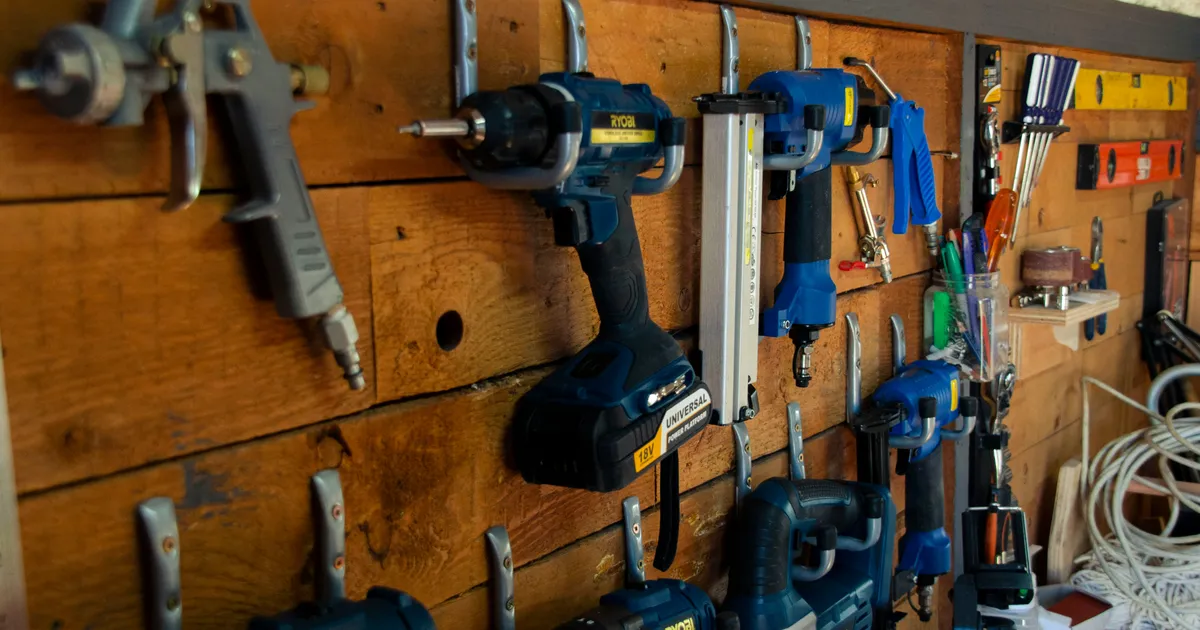
Stepping into the realm of power tools, the cordless drill/driver is undeniably the king of home repair versatility. If you buy only one power tool in 2026, make it a good quality 18V or 20V cordless drill. Its ability to drill holes into various materials and drive screws with impressive speed and torque dramatically reduces manual effort. Look for models with adjustable clutch settings to prevent overtightening and stripping screws, along with a comfortable grip. The convenience of not being tethered to an outlet, combined with powerful lithium-ion batteries that hold a charge for extended periods, makes it an indispensable tool for countless projects around the house.
While a cordless drill handles most driving tasks, an impact driver takes it a step further, delivering rotational force with rapid, short bursts of impact. This makes it superior for driving long screws into dense materials or loosening stubborn bolts without straining your wrist. For homeowners who occasionally tackle more demanding projects, pairing an impact driver with their drill is a game-changer. Additionally, a cordless oscillating multi-tool, with its ability to sand, cut, and scrape in tight spaces using various attachments, offers incredible utility for specific, often tricky, repair scenarios that other tools simply can’t reach. Trust me, these tools make daily repair tasks a breeze.
The Versatility of a Cordless Drill
A cordless drill is far more than just a tool for making holes or driving screws. With the right attachments, it can transform into a powerhouse for various household chores. Imagine using a brush attachment to scrub grout lines clean, a polishing pad to restore shine to surfaces, or a mixing paddle to perfectly blend paint or drywall compound. Its variable speed control allows for delicate work on fragile materials or full power for robust applications. This adaptability alone justifies its place at the top of any homeowner’s essential tool list, streamlining countless tasks and making home maintenance less of a chore.
Safety and Precision: Measuring and Cutting with Confidence
Accuracy in home repairs prevents costly mistakes and ensures a professional finish. A quality level, whether a traditional spirit level or a more modern laser level, is crucial for hanging shelves straight, installing cabinets evenly, or ensuring pictures are perfectly aligned. There’s nothing worse than a crooked shelf! Complementing this, a reliable stud finder is invaluable for safely mounting items on walls by locating the wooden studs behind the drywall, thus avoiding electrical wires or plumbing and ensuring a secure hold. Some advanced models can even detect live wires, adding an extra layer of safety to your DIY endeavors. For accurate measurements and safe installations, these tools are simply indispensable.
For gripping, bending, and cutting, a selection of pliers is absolutely necessary. Needle-nose pliers are perfect for delicate work, retrieving dropped screws, or manipulating small wires. Slip-joint pliers offer adjustable jaw width for gripping various sizes of nuts and bolts, while channel-lock pliers provide even greater leverage for plumbing tasks. If you ever deal with minor electrical work, a pair of wire strippers/cutters will prove invaluable for safely preparing wires. Having these specialized gripping and cutting tools ensures you have the right leverage and precision for a multitude of common household repairs, protecting both your fingers and the materials you’re working with. For more insights on tool safety, consider resources like OSHA’s tool safety guidelines.
Plumbing and Electrical Quick Fixes
Dealing with plumbing and electrical issues can be daunting, but a few key tools empower you to handle minor emergencies confidently. A good plunger, preferably one with a flange for toilets and a cup for sinks, is your first line of defense against clogs. Investing in both types will save you significant headaches. For more involved plumbing tasks, such as tightening leaky pipes or replacing a faucet, a pipe wrench provides the necessary grip on rounded surfaces, while a basin wrench is specifically designed for reaching nuts in tight spots under sinks. These tools are far more effective than trying to muscle through with standard adjustable wrenches, preventing potential damage and frustration.
When it comes to basic electrical issues, safety is paramount. A non-contact voltage tester is a crucial device that allows you to detect live electrical current without touching wires, ensuring circuits are de-energized before you begin work. It’s a simple, inexpensive tool that could literally save your life. A roll of high-quality electrical tape is also a must-have for insulating minor wire repairs. Lastly, a reliable flashlight or, even better, a headlamp, frees up both hands for working in dimly lit areas like under sinks or in fuse boxes. These tools give homeowners the confidence and safety to address common electrical and plumbing glitches without immediately calling a professional, saving time and money in 2026.
Adhesives, Sealants, and Fasteners for Lasting Repairs
Often overlooked in tool discussions are the consumables that hold our homes together and keep them protected. A sturdy caulk gun is indispensable for applying sealants, whether you’re sealing gaps around windows and doors to improve energy efficiency, re-caulking a bathtub, or addressing cracks in walls. Keep a variety of sealants on hand, such as silicone for areas exposed to water and acrylic latex caulk for paintable interior applications. Wood glue is also a remarkably strong adhesive for furniture repairs or small woodworking projects, providing a lasting bond that nails or screws alone might not achieve. These products are crucial for both functional and aesthetic repairs.
Finally, a well-organized assortment of fasteners is a true godsend. Having a variety of screws (wood, drywall, machine screws), nails (finishing, common), and wall anchors (toggle, expansion) means you’re prepared for almost any hanging or fastening task. I also keep a stash of heavy-duty zip ties for bundling wires or temporary fixes, and a roll of the ever-versatile duct tape – because, let’s be honest, it truly can fix almost anything in a pinch! These seemingly small items collectively ensure that you have the right hardware to secure, repair, and maintain your home effectively, often preventing minor issues from escalating into major problems.
Key Takeaways
- Start with the Basics: Prioritize a fundamental set of hand tools like screwdrivers, wrenches, a hammer, and a tape measure. These are your everyday heroes for countless minor repairs.
- Invest in a Cordless Drill: If budget allows for only one power tool, make it a versatile cordless drill/driver. Its ability to drill, drive, and adapt with attachments makes it invaluable for modern home maintenance.
- Safety and Precision First: Tools like a stud finder, level, and non-contact voltage tester are not just convenient; they are crucial for safe, accurate, and damage-free repairs, preventing costly mistakes.
- Don’t Forget Consumables: Always keep essential items such as caulk, various glues, an assortment of fasteners, and even duct tape on hand. These are the unsung heroes that complete and secure many repair tasks.
Frequently Asked Questions
What’s the absolute minimum set of tools a first-time homeowner needs?
For absolute beginners, I’d recommend a basic toolkit including a multi-bit screwdriver, an adjustable wrench, a claw hammer, a tape measure, a utility knife, and a good plunger. This core collection will empower you to handle most immediate, minor repair issues effectively without overwhelming you.
How should I store my tools to keep them organized and in good condition?
Proper storage is crucial. Consider a portable toolbox for essentials, a wall-mounted pegboard for frequently used items, or a rolling cabinet for a larger collection. Keep tools clean and dry, and consider silica gel packs in closed containers to prevent rust, especially in humid climates.
Are expensive tools always better, or can I get by with budget options?
While professional-grade tools offer superior durability and performance, many mid-range options provide excellent value for the average homeowner. Focus on quality for frequently used items like drills and hammers. For less common tasks, budget tools can suffice, but avoid anything that feels flimsy or unsafe.
When should I call a professional instead of attempting a DIY repair?
Always call a professional for complex electrical work beyond simple outlet replacement, major plumbing leaks that could cause significant water damage, gas appliance repairs, or structural issues. If you’re unsure, lack the proper tools, or feel unsafe, it’s always best to err on the side of caution and seek expert help.
Conclusion
Equipping your home with these must-have tools for homeowners to handle daily repair tasks easily isn’t just about accumulating gadgets; it’s about cultivating confidence and self-sufficiency. From tightening a wobbly chair to patching a small hole in the wall, having the right equipment transforms daunting chores into manageable projects. Embrace the power of DIY, save money, and enjoy the satisfaction of a well-maintained home. Your future self, and your wallet, will thank you for taking the initiative to build a robust and reliable toolkit.