

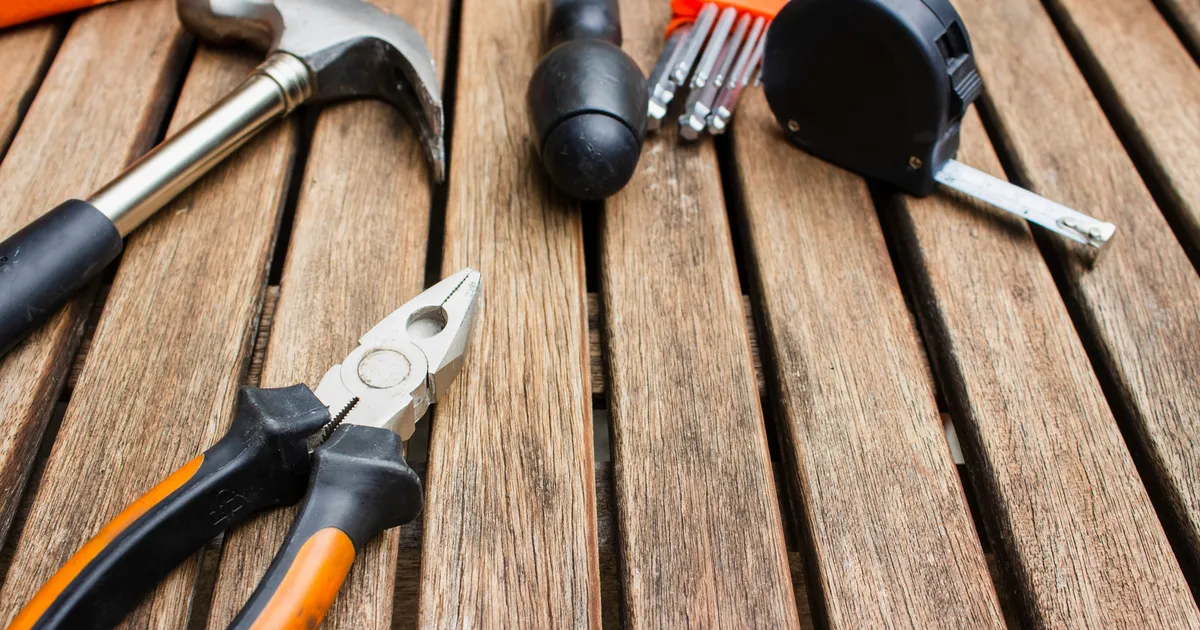

Did you know that over 80% of homeowners face at least one unexpected home repair annually, often leading to costly service calls for issues that could be DIY projects with the right equipment? Investing in advanced home repair tools every homeowner should own is not just about tackling complex projects; it’s about empowering yourself to handle a wider range of common household problems, saving significant time and money in the long run. This guide will explore specialized equipment that elevates your DIY capabilities beyond the basic screwdriver and hammer, transforming you into a confident home maintenance expert ready for anything 2026 might throw your way.
Quick Answer: Advanced home repair tools empower homeowners to tackle complex DIY projects, save money on professional services, and ensure timely, high-quality repairs. Essential categories include specialized diagnostic tools, power equipment for precision tasks, and dedicated plumbing or electrical instruments that go beyond basic hand tools.
Mastering Electrical Diagnostics and Safety
Understanding and safely addressing electrical issues is paramount for any homeowner. While a basic voltage tester is a good start, advanced tools like a non-contact voltage detector with a wider sensitivity range and a digital multimeter provide precise readings for voltage, current, and resistance. These instruments are crucial for troubleshooting faulty outlets, checking continuity in wires, or safely installing new fixtures without guesswork. They offer peace of mind, allowing you to confidently identify live wires and potential hazards before beginning any work, preventing costly mistakes or dangerous accidents.
Beyond simple testing, equipping yourself with a quality wire stripper/crimper can revolutionize your electrical work. This isn’t just for professionals; correctly stripping wires to the proper length and crimping connectors securely prevents loose connections, which are a common cause of electrical failures and fire hazards. For more intricate tasks or circuit modifications, a dedicated circuit breaker finder helps pinpoint the correct breaker without trial and error, saving immense frustration and ensuring you de-energize only the necessary circuit. These specialized tools ensure every electrical repair or upgrade is performed to a professional standard.
Plumbing Prowess: Tackling Water Woes
Plumbing issues can quickly escalate from minor annoyances to major disasters, making advanced plumbing tools indispensable. A high-quality flexible drain snake, often motorized or with an extended reach, can clear stubborn clogs far beyond the capabilities of chemical drain cleaners or basic plungers. This tool can save you hundreds, if not thousands, in plumber call-out fees for recurring blockages in sinks, tubs, or even main lines. Understanding its safe operation allows you to maintain your home’s drainage system proactively.
For more involved pipe work, especially with modern PEX or copper systems, specialized cutters and crimping tools are essential. A PEX crimp tool ensures watertight connections without soldering, making pipe repairs or installations significantly easier and more accessible for the DIY enthusiast. Similarly, a dedicated copper pipe cutter provides clean, burr-free cuts, vital for secure solder joints or compression fittings. These precision tools minimize the risk of leaks and costly water damage, empowering you to perform durable, professional-grade plumbing repairs yourself. For further guidance on plumbing best practices, you might consult resources like EPA WaterSense’s leak repair tips.
Advanced Drain Cleaning Solutions
While a standard drain snake is excellent for many clogs, advanced drain cleaning solutions include hydro-jetters for homeowners. These powerful tools use high-pressure water streams to blast away grease, scale, and debris from pipe walls, offering a more thorough cleaning than mechanical snaking alone. Though a significant investment, a homeowner-grade hydro-jetter can be invaluable for persistent or severe blockages, preventing potential pipe damage from chemical cleaners and extending the life of your plumbing system. Learning to operate such equipment safely requires careful attention to instructions and proper protective gear.
Precision Carpentry and Woodworking
Beyond the basic saw and hammer, advanced carpentry tools enable homeowners to undertake more ambitious projects, from intricate trim work to custom shelving. An oscillating multi-tool, for instance, is incredibly versatile, allowing for precise cuts in tight spaces, sanding, grinding, and scraping with a simple blade change. Its ability to plunge cut into drywall or trim existing door frames makes it a go-to for renovation tasks where precision and minimal damage are key. This tool alone can replace several single-purpose instruments, making it a smart investment for diverse home projects.
For more significant woodworking tasks, a quality jigsaw or circular saw with various blade options dramatically improves efficiency and accuracy. A jigsaw excels at cutting curves and intricate shapes, perfect for custom furniture or decorative elements, while a circular saw makes quick, straight cuts for framing or sheet goods. Pairing these with a reliable miter saw for precise angle cuts on trim or decking material elevates your capabilities. With these tools, you can confidently tackle projects like building custom shelves, repairing fences, or installing new flooring, ensuring professional results for your home’s aesthetic and structural integrity.
Heavy-Duty Fastening and Demolition
Sometimes, home repair involves more than just gentle fixes; it requires serious power. An impact driver, distinct from a drill, delivers rotational force with rapid concussive blows, making it supremely effective for driving long screws into dense materials without stripping heads or straining your wrist. This tool is indispensable for deck building, framing, or any project requiring significant fastening power, vastly outperforming a standard drill in these applications. Its efficiency and ergonomic design make even large projects manageable.
For tougher jobs like removing old tile, cutting through rebar, or grinding down rough concrete, an angle grinder is an invaluable, though powerful, asset. Equipped with various discs, it can cut, grind, and polish a multitude of materials with ease. While requiring careful handling and appropriate safety gear, an angle grinder significantly speeds up demolition and material preparation tasks that would be impossible or incredibly arduous with hand tools. Incorporating such robust tools into your toolkit for 2026 ensures you’re prepared for any heavy-duty home improvement challenge, from minor upgrades to major renovations.
HVAC and Diagnostic Inspection Gear
Maintaining your home’s heating, ventilation, and air conditioning system can prevent costly breakdowns and improve energy efficiency. Advanced tools like a thermal leak detector or an infrared thermometer allow you to identify drafts, insulation gaps, and overheating components in your HVAC system or appliances. These non-invasive tools provide immediate visual or numerical feedback, helping you pinpoint energy waste or potential failure points before they become critical issues. Proactive diagnostics can extend the life of your systems and reduce utility bills.
For peering into hard-to-reach areas like inside walls, drains, or engine compartments, a digital borescope or inspection camera is an incredible diagnostic asset. This flexible camera with its own light source displays real-time video on a screen, revealing hidden leaks, blockages, or pest infestations without destructive exploratory work. Combining this with a moisture meter can help detect hidden water damage in walls or floors, preventing mold growth and structural issues. These advanced inspection tools equip you to identify and address problems discreetly and effectively, saving on professional diagnostic fees and preventing minor issues from becoming major repairs.
Key Takeaways
- Investing in advanced home repair tools significantly reduces reliance on costly professional services for common issues.
- Specialized equipment like multimeters, PEX crimpers, and oscillating multi-tools empower homeowners to perform precise, professional-grade repairs.
- Safety and proper usage are paramount; always read manuals and wear appropriate protective gear when operating advanced tools.
- Proactive maintenance with diagnostic tools such as thermal cameras and borescopes can prevent minor issues from escalating into major expenses.
Frequently Asked Questions
Are advanced tools really necessary for every homeowner, or just for serious DIYers?
While not every homeowner will tackle major renovations, many common issues like persistent clogs, minor electrical faults, or precision cuts for home decor benefit immensely from advanced tools. They provide greater efficiency, accuracy, and safety than basic hand tools, making them a worthwhile investment even for occasional use. They transform daunting tasks into manageable projects, saving money and fostering self-reliance.
What’s the best way to store these specialized tools to ensure their longevity?
Proper storage is crucial for advanced tools. Keep them in their original cases or dedicated toolboxes, away from moisture and extreme temperatures. For power tools, ensure batteries are charged periodically (but not overcharged) and stored in a cool, dry place. Regularly clean tools after use, removing dust and debris, and apply a light coat of oil to metal parts to prevent rust. Organize them logically so they are easy to find and access when needed.
How can a homeowner learn to use complex power tools safely and effectively?
The best way to learn is through a combination of resources. Always start by thoroughly reading the tool’s instruction manual. Many manufacturers provide instructional videos online, and platforms like YouTube offer countless tutorials from experienced DIYers. Consider community workshops or courses offered by local hardware stores or vocational schools. Always prioritize safety, wearing appropriate personal protective equipment (PPE) like safety glasses, gloves, and hearing protection.
What should be my budget for starting an advanced home repair toolkit in 2026?
The budget for an advanced toolkit can vary widely based on the quality and brand of tools. You could start with a few hundred dollars for essential items like a good impact driver, an oscillating multi-tool, and a digital multimeter. For more comprehensive setups, including specialized plumbing or HVAC tools, expect to invest upwards of $1,000 to $2,000 over time. Focus on acquiring high-quality tools that will last, rather than cheap alternatives that may fail quickly. Prioritize tools for repairs you anticipate most often.
Conclusion
Equipping yourself with advanced home repair tools transforms homeownership from a series of reactive expenses into an empowering journey of self-sufficiency. From diagnosing hidden electrical faults to tackling stubborn plumbing blockages, these specialized instruments empower you to maintain, repair, and even upgrade your living space with confidence and precision. By embracing these tools, you’re not just buying equipment; you’re investing in valuable skills and long-term savings for your home in 2026 and beyond. What advanced tool has been your biggest game-changer, or what project are you now confident to tackle?