

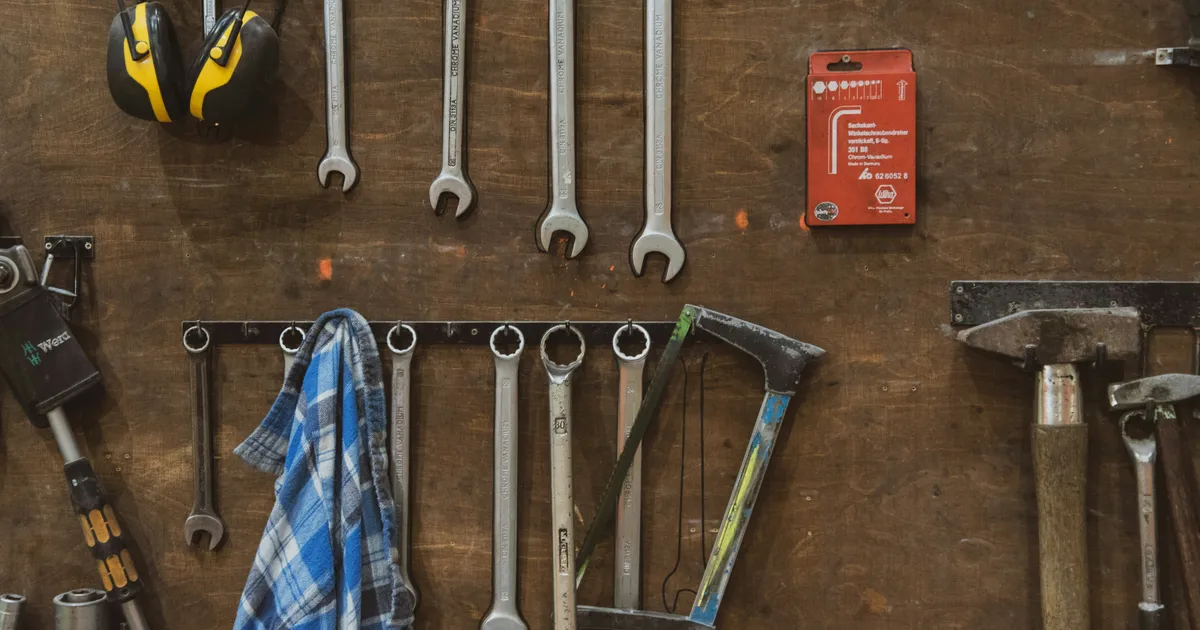

Did you know that neglected tools cost homeowners and professionals hundreds, even thousands, of dollars annually in premature replacements? It’s a bold claim, but the truth is that a significant portion of a tool’s lifespan is determined by how it’s treated after use. Understanding how to maintain and store tools for long lasting use isn’t just about saving money; it’s about ensuring your equipment performs reliably and safely, project after project. This comprehensive guide will walk you through expert strategies to extend the life of your valuable investments, transforming your approach to tool care and storage.
Proper tool maintenance and storage involves a systematic approach: regular cleaning and inspection after each use, applying appropriate lubrication and rust prevention, sharpening cutting edges, calibrating measuring instruments, and organizing tools in designated, protective storage solutions away from moisture and extreme temperatures. This ensures peak performance, safety, and significantly extends their operational lifespan.
The Foundation: Cleaning and Inspection
The first and most crucial step in preserving your tools is diligent cleaning and inspection immediately after each use. Dirt, grime, sawdust, paint, and chemicals can quickly degrade tool surfaces, bearings, and moving parts. For hand tools, a simple wipe-down with a clean cloth, perhaps slightly dampened for stubborn residue, is often sufficient. Power tools require more attention; compressed air can effectively remove dust from vents and motors, while brushes can tackle caked-on debris from guards and bases. This routine not only keeps tools looking good but prevents corrosive materials from taking hold.
Beyond aesthetics, a post-use inspection is vital for identifying potential issues before they escalate. Check for loose screws, worn cables, cracked handles, or dull blades. Addressing these minor problems promptly can prevent major breakdowns, expensive repairs, or even accidents down the line. For example, a frayed power cord on a circular saw is a serious safety hazard that a quick inspection could reveal. This habit of immediate care and scrutiny lays the groundwork for truly long-lasting tool performance, saving you time and money in 2026 and beyond.
Protecting Against Rust and Corrosion
Rust and corrosion are the arch-enemies of metal tools, significantly shortening their lifespan and impairing functionality. Moisture is the primary culprit, so keeping tools dry is paramount. After cleaning, ensure all metal surfaces are completely dry before storage. For an extra layer of protection, especially for tools stored in humid environments or those used infrequently, apply a light coat of rust-preventative oil or a silicone-based spray. This creates a barrier between the metal and atmospheric moisture, effectively sealing it off.
Consider using desiccant packs in toolboxes or storage cabinets, particularly in damp workshops or garages, to absorb ambient moisture. For precision tools or those with intricate moving parts, specialized rust inhibitors or VCI (Volatile Corrosion Inhibitor) papers can be incredibly effective. Regularly checking for early signs of rust, such as small orange spots, allows for prompt treatment with a wire brush or fine abrasive, followed by re-oiling, preventing widespread damage. Proactive rust prevention is a non-negotiable aspect of how to maintain and store tools for long lasting use.
Sharpening and Calibration for Peak Performance
Dull tools are inefficient, dangerous, and can cause more damage to your materials than a sharp one. Regularly sharpening cutting tools like chisels, planes, saws, and drill bits restores their effectiveness and reduces the effort required for tasks, minimizing strain on both the user and the tool’s motor. Different tools require different sharpening methods, from whetstones and files for hand tools to specialized grinders for power tool blades. Always follow manufacturer guidelines for the correct sharpening angles and techniques to avoid damaging the tool.
Maintaining Measuring Tool Accuracy
Beyond sharpening, calibration is essential for measuring and layout tools. A tape measure that’s lost its end hook accuracy or a square that’s no longer true can lead to costly errors in projects. Periodically check the accuracy of your levels, squares, and measuring tapes against a known standard. Adjustments can often be made, or if severe inaccuracies persist, it might be time for a replacement. Ensuring your measurement tools are precise is just as critical as keeping your cutting tools sharp for professional-grade results.
For tools with moving parts, such as pliers, snips, or multi-tools, lubrication is key to smooth operation. A small drop of light machine oil on pivots and joints can prevent seizing and reduce wear from friction. Similarly, power tool gears and bearings often require specific greases or oils at recommended intervals. Refer to your tool’s manual for lubrication schedules and the correct type of lubricant. Proper lubrication not only extends component life but also ensures the tool operates at its intended efficiency, making your work easier and more precise.
Smart Storage Solutions for Every Tool
Effective storage is paramount for tool longevity and efficient workflow. Simply tossing tools into a pile leads to damage, loss, and difficulty finding what you need. Invest in appropriate storage solutions tailored to your tool collection. For hand tools, pegboards, wall-mounted organizers, and dedicated tool chests with lined drawers protect against dings and scratches. Keeping tools organized also makes it easier to spot when one is missing or when it requires maintenance, streamlining your overall care routine.
Power tools often benefit from their original cases or custom foam inserts within larger boxes, which provide protection from impacts and dust. For larger equipment, consider dedicated shelving units or custom cabinets that keep them off the floor and away from potential hazards like spills or foot traffic. Environmental control is also a critical aspect of storage; avoid storing tools in areas prone to extreme temperature fluctuations or high humidity, such as uninsulated sheds or basements. A climate-controlled workshop is ideal for preserving delicate electronics and preventing rust, making these efforts truly pay off by 2026. For more insights on optimal workshop organization, you might find resources like those from Family Handyman helpful.
Power Tool Specific Care and Longevity
Power tools, with their motors, electronics, and intricate mechanisms, require a distinct approach to maintenance compared to simple hand tools. Beyond general cleaning, regularly check power cords for any signs of damage, cuts, or exposed wires, which pose serious safety risks. Inspect brushes on universal motors for wear and replace them before they cause commutator damage, a common failure point. Always disconnect power tools from the outlet before performing any maintenance or inspections to prevent accidental startups.
Battery-powered tools have specific care requirements for their energy sources. Store batteries in a cool, dry place, and avoid extreme temperatures, which can degrade their capacity and lifespan. It’s generally best to store them partially charged (around 40-50%) if they won’t be used for extended periods, rather than fully charged or completely depleted. Follow the manufacturer’s recommendations for charging cycles and avoid overcharging or deep discharging. For complex repairs or internal cleaning, consulting the manufacturer’s service manual or a certified technician, like those recommended by The Power Tool Institute, is always advisable to maintain warranty and safety standards.
Key Takeaways
- Clean and inspect all tools immediately after every single use.
- Apply rust-preventative oils and store tools dry to combat corrosion.
- Regularly sharpen cutting edges and calibrate measuring instruments for accuracy.
- Utilize smart, protective storage solutions to organize and safeguard your valuable tools.
Frequently Asked Questions
How often should I clean my tools?
You should aim to clean your tools after every use, even if it’s just a quick wipe-down. This immediate attention prevents grime from hardening and makes future cleaning easier, while also allowing you to spot potential issues early.
What’s the best way to prevent rust on metal tools?
The best way to prevent rust is to keep tools dry, clean, and apply a thin layer of rust-preventative oil or wax to metal surfaces. Storing them in a climate-controlled environment or using desiccant packs in toolboxes can also significantly help.
Can I store all my tools together?
While some basic tools can be stored together, it’s generally better to organize them by type and use. Precision tools should be kept separate from heavy-duty items, and power tools often benefit from their original protective cases to prevent damage.
When should I replace a tool instead of repairing it?
Consider replacing a tool when the cost of repair exceeds the cost of a new tool, if safety features are compromised beyond repair, or if the tool is outdated and a modern equivalent offers significant performance or safety improvements. For critical structural damage or motor failure, replacement is often the more practical and safer option.
Conclusion
Mastering how to maintain and store tools for long lasting use is a practice that genuinely pays dividends. By consistently applying these expert strategies—from immediate cleaning and vigilant rust prevention to smart storage and precise sharpening—you not only extend the lifespan of your valuable equipment but also enhance safety and efficiency in your projects. Make 2026 the year you commit to superior tool care, ensuring your investments remain reliable, ready for any task, and continue to serve you for decades to come. What are your go-to tool maintenance hacks?