

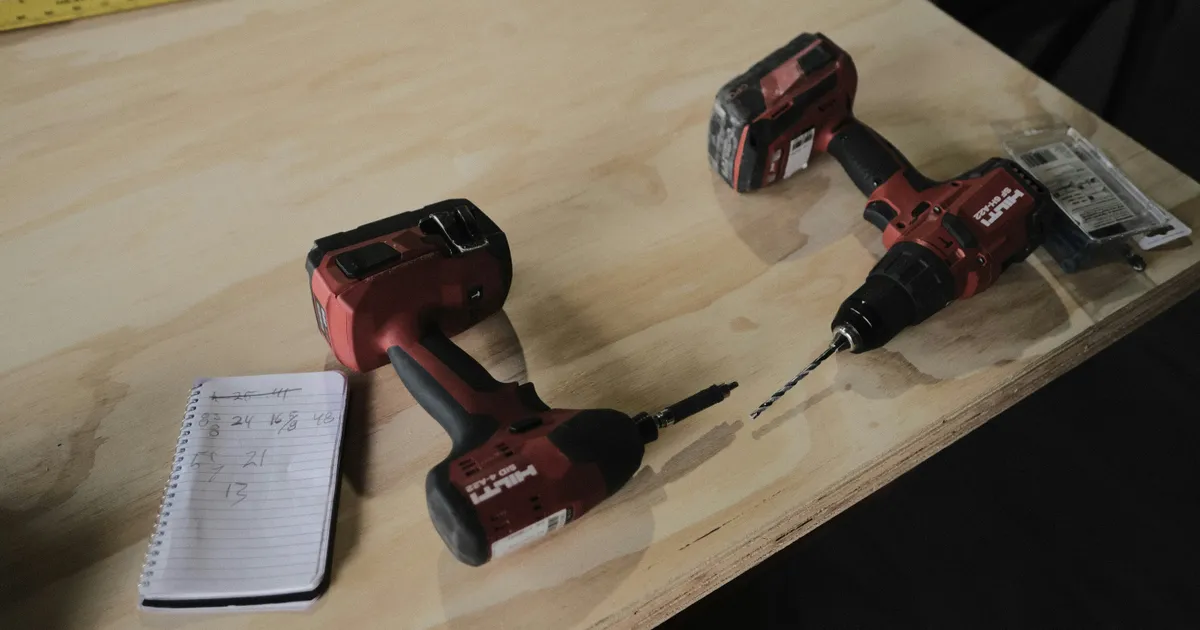

When tackling home repairs, the age-old debate of manual vs power tools often sparks passionate discussions among DIY enthusiasts and seasoned professionals alike. Many might assume that the faster, more powerful electric option always wins, but a surprising truth emerges: for intricate tasks requiring ultimate finesse and control, hand tools frequently outperform their electrified counterparts. Understanding the nuances between these two categories is crucial for building an effective toolkit and ensuring successful project outcomes for any repair around your house, whether it’s a quick fix or a major renovation planned for 2026.
Quick Answer: Neither manual nor power tools are inherently “better” for home repairs; the optimal choice hinges on the specific task’s requirements. Manual tools excel in precision, control, and portability, while power tools offer speed, efficiency, and reduced effort for larger jobs. A well-equipped home repair kit intelligently combines both for maximum versatility and effectiveness.
Precision and Control for Detailed Work
Manual tools, often referred to as hand tools, provide an unparalleled level of control, which is indispensable for tasks demanding high precision. When you’re chiseling a delicate mortise, driving a screw into soft wood, or making a perfectly straight cut with a handsaw, the direct feedback you receive from a hand tool allows for minute adjustments that power tools simply cannot replicate. This direct connection to the material reduces the risk of over-cutting, stripping screws, or damaging delicate surfaces, making them ideal for finishing work and intricate repairs where accuracy is paramount.
Furthermore, the absence of vibration and sudden movements inherent in power tools contributes significantly to their accuracy. Carpenters, for instance, frequently reach for a hand plane to achieve a glass-smooth finish on wood, knowing that the subtle nuances of grain direction and material density can be felt and adjusted for in real-time. This tactile advantage ensures a higher quality finish and greater confidence in the outcome, especially when working on visible repairs or custom fittings that require an exact fit.
Speed and Efficiency for Larger Projects
For tasks that involve repetitive actions, cutting through tough materials, or covering large areas, power tools undeniably offer superior speed and efficiency. Imagine drilling dozens of holes for shelving or cutting multiple pieces of lumber for a deck repair; a cordless drill or a miter saw can complete these jobs in a fraction of the time it would take with manual equivalents. This reduction in physical effort not only speeds up the project timeline but also minimizes user fatigue, allowing you to work longer and more comfortably.
Modern power tools, including advancements expected by 2026, often feature ergonomic designs, powerful motors, and specialized attachments that further enhance their utility. For example, an orbital sander can prepare a large surface for painting far more quickly and evenly than hand sanding. When dealing with demolition, rough cuts, or assembly of large structures, the sheer force and consistent performance of electric or battery-powered tools make them indispensable, transforming arduous tasks into manageable ones with remarkable ease.
Cost and Investment Considerations
The initial outlay for tools is a significant factor when building a home repair kit. Generally, individual manual tools are considerably less expensive than their power tool counterparts. A basic set of screwdrivers, wrenches, and a hammer can be acquired for a relatively modest sum, making them an accessible starting point for any homeowner. This lower entry barrier means you can build a comprehensive collection of essential hand tools without a substantial financial commitment, which is great for budget-conscious DIYers.
Conversely, power tools represent a more substantial investment. While they offer efficiency, their higher price tags, coupled with the need for batteries, chargers, and specialized accessories, can quickly add up. However, viewing power tools as an investment in productivity and reduced physical strain can justify the cost for those who undertake frequent or large-scale projects. Weighing the upfront expense against the long-term benefits and the types of repairs you anticipate doing is crucial for smart tool acquisition.
Tool Maintenance and Longevity
Maintaining manual tools is typically straightforward and less costly. Sharpening a saw blade, cleaning rust from a wrench, or replacing a hammer handle are tasks that most homeowners can easily perform with minimal expense. With proper care, many hand tools can last for decades, becoming cherished family heirlooms. Their simple mechanical nature means fewer parts to break down, contributing to their impressive longevity and reliability, a key factor for sustainable home repairs.
Power tools, on the other hand, often require more specialized maintenance. Brushes in motors need replacing, batteries degrade over time, and intricate electronic components can fail. While many modern power tools are built with durability in mind, consulting the manufacturer’s guidelines, such as those found on official sites like DeWalt’s support pages, is essential for extending their lifespan. Regular cleaning, proper storage, and timely servicing can mitigate potential issues, but these efforts demand more attention and potentially higher costs than for hand tools.
Safety Aspects and Skill Level
Safety is paramount in any home repair project, and both manual and power tools present distinct considerations. Manual tools, while requiring more physical effort, generally pose a lower risk of severe injury due to their slower operation and direct user control. Mistakes with a hand saw might result in an uneven cut, but the risk of a catastrophic accident is typically lower compared to a high-speed power saw. However, repetitive strain injuries and minor cuts are still possible if proper technique and safety precautions, like wearing gloves, are neglected.
Power tools, by their very nature, introduce higher risks due to their speed, force, and often sharp or rapidly moving parts. Eye protection, hearing protection, and appropriate clothing are non-negotiable when operating power tools. Understanding how to safely handle each specific tool, including proper grip, stance, and awareness of kickback, is critical. For complex power tools, watching instructional videos or consulting expert guides on sites like OSHA’s safety resources can significantly reduce the risk of accidents and ensure safe operation for everyone involved in home repairs.
Versatility and Project Suitability
The choice between manual and power tools often comes down to the specific demands of the project. Manual tools shine in situations where electricity is unavailable, noise is a concern, or extreme portability is required. For small, quick fixes, detailed woodworking, or tasks in confined spaces, a hand tool often provides the most practical and efficient solution. They are also excellent for teaching fundamental skills, allowing beginners to understand the mechanics of a task before introducing the complexities of power.
Power tools, conversely, are indispensable for larger-scale renovations, repetitive tasks, or working with tough materials that would be arduous or impossible with hand tools alone. Breaking down walls, cutting concrete, or assembling large furniture pieces are all made significantly easier with the right power tool. The most effective approach for any homeowner is to build a hybrid toolkit, leveraging the strengths of both manual and power tools. This balanced collection ensures you are equipped for virtually any home repair scenario, optimizing both efficiency and precision.
Key Takeaways
- Manual tools offer unmatched precision and control for detailed, delicate, and finishing work.
- Power tools provide superior speed and efficiency for large, repetitive, or heavy-duty tasks, reducing effort and time.
- Consider your budget and project frequency; manual tools are cheaper upfront, while power tools are a bigger investment.
- Prioritize safety by understanding the risks of each tool type and always using appropriate protective gear.
Frequently Asked Questions
Do I really need power tools for basic home repairs?
For most basic home repairs like hanging pictures, assembling furniture, or tightening loose screws, a good set of manual tools is perfectly sufficient. Power tools become more of a necessity when you’re tackling larger projects, working with tougher materials, or need to complete repetitive tasks quickly and with less physical effort. Start with essential hand tools and add power tools as your project needs grow.
Are cordless power tools better than corded ones for home repairs?
Cordless power tools offer unmatched portability and convenience, making them excellent for working in areas without power outlets or for quick, on-the-go repairs. However, corded tools generally provide consistent power without worrying about battery life and often have more raw power for demanding tasks. The “better” choice depends on your specific use case, but for most home repairs, the versatility of cordless often outweighs the minor power difference.
How do I decide which tool to use for a specific repair?
Consider the task’s precision requirement, material hardness, scale, and your skill level. For delicate, intricate work or when finesse is key, opt for manual tools. For speed, repetitive actions, or cutting/drilling through tough materials, power tools are usually more appropriate. If you’re unsure, starting with a manual approach can often prevent costly mistakes, especially for beginners.
What are the most essential manual and power tools for a home repair kit?
For manual tools, essentials include a hammer, various screwdrivers, an adjustable wrench, pliers, a tape measure, and a utility knife. For power tools, a cordless drill/driver is arguably the most versatile starting point. Beyond that, consider an orbital sander for finishing, a circular saw for cutting lumber, and possibly a jigsaw for curved cuts, depending on your typical repair projects anticipated even into 2026.
Conclusion
The ultimate verdict in the manual vs power tools debate for home repairs isn’t about one being definitively superior, but rather about strategic selection. A truly effective home repair strategy embraces the unique strengths of both. By thoughtfully integrating the precision and control of hand tools with the speed and efficiency of power tools, you create a versatile arsenal capable of tackling any project, big or small. Invest wisely, prioritize safety, and you’ll find yourself well-equipped to maintain and improve your home for years to come. What’s your go-to tool for a quick fix?