

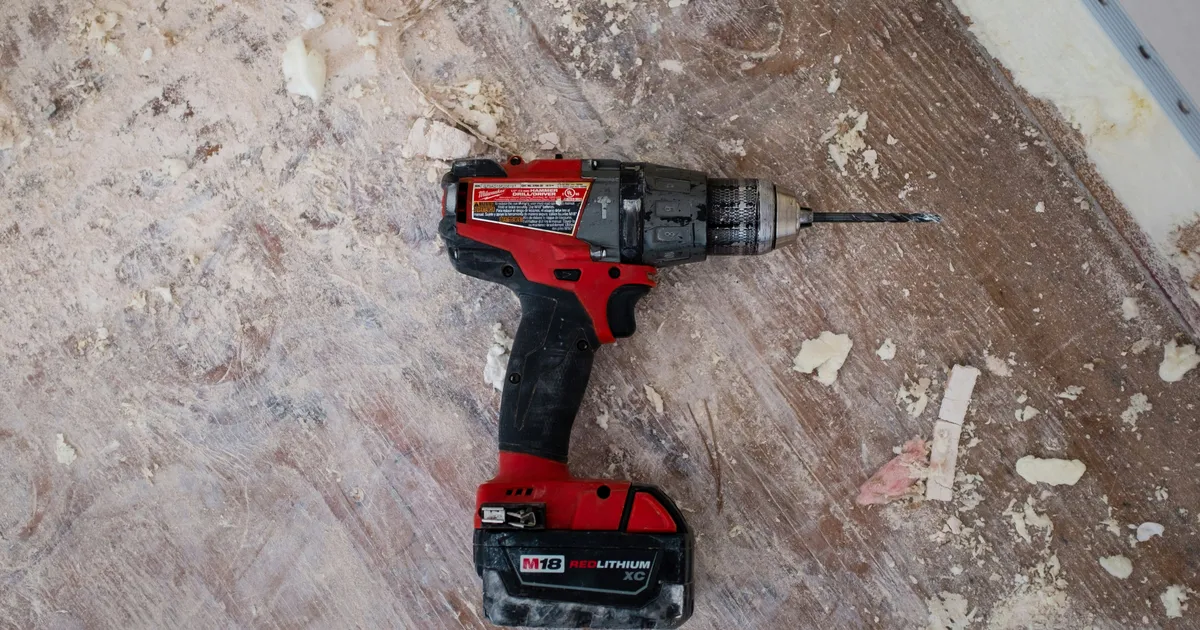

Drilling into brick or concrete walls requires the right drill bit type to ensure efficient and safe operation, as selecting the wrong type can lead to drill bit breakage, reduced drilling speed, or even damage to the surrounding material. In 2026, with the advancements in drilling technology, it is essential to understand the different types of drill bits available and their applications. The keyword “drill bit type” is crucial in this context, as it directly affects the drilling process. For instance, a masonry drill bit is designed for drilling into brick, concrete, and other masonry materials, while a twist drill bit is suitable for drilling into metal and wood. According to the ASM International website, the choice of drill bit type depends on the material being drilled, the desired hole size, and the drilling machine being used.
Drill Bit Materials
Drill bits are made from various materials, each with its unique characteristics and advantages. Carbon steel drill bits are the most common type, offering a good balance between cost and performance. However, they may not be suitable for drilling into hard materials like concrete. In contrast, high-speed steel (HSS) drill bits are more durable and can withstand high drilling speeds, making them ideal for drilling into metal and wood. For drilling into brick and concrete, tungsten carbide-tipped drill bits are recommended, as they offer excellent hardness and wear resistance.
In 2026, the development of new materials like diamond-coated drill bits has further expanded the range of options available. These drill bits are extremely hard and can drill into almost any material, including glass and ceramics. However, they are also more expensive than traditional drill bits. As noted on the Engineering Toolbox website, the choice of drill bit material depends on the specific drilling application and the desired level of performance.
A study published in the ScienceDirect journal highlights the importance of selecting the right drill bit material for drilling into brick and concrete. The study found that using a drill bit with a tungsten carbide tip can significantly reduce drilling time and improve hole quality compared to using a carbon steel drill bit.
Drill Bit Geometries
Drill bit geometries play a crucial role in determining the drilling performance and hole quality. The most common drill bit geometries are twist, spiral, and straight flute. Twist drill bits are suitable for drilling into metal and wood, while spiral flute drill bits are designed for drilling into plastics and other soft materials. Straight flute drill bits are typically used for drilling into brick and concrete, as they provide a smooth and consistent cutting action.
In addition to the flute geometry, the drill bit’s point angle and lip clearance also affect the drilling performance. A larger point angle can improve drilling speed, but may reduce hole accuracy. Conversely, a smaller lip clearance can improve hole quality, but may increase drilling time. As stated on the Machine Tool Online website, the optimal drill bit geometry depends on the specific drilling application and the material being drilled.
For drilling into brick and concrete, a drill bit with a straight flute geometry and a tungsten carbide tip is often recommended. This combination provides a smooth and consistent cutting action, while the tungsten carbide tip offers excellent hardness and wear resistance.
Drill Bit Sizes
Drill bit sizes are critical in determining the hole diameter and drilling performance. The most common drill bit sizes range from 1/16 inch to 1 inch in diameter. For drilling into brick and concrete, a larger drill bit size is often required to achieve the desired hole diameter. However, using a drill bit that is too large can lead to reduced drilling speed and increased vibration.
In 2026, the development of new drilling technologies has enabled the creation of smaller and more precise drill bits. These drill bits are suitable for drilling into small or delicate materials, such as glass or ceramics. As noted on the Drilling.com website, the choice of drill bit size depends on the specific drilling application and the desired level of precision.
A study published in the ResearchGate journal highlights the importance of selecting the right drill bit size for drilling into brick and concrete. The study found that using a drill bit that is too small can lead to reduced drilling speed and increased vibration, while using a drill bit that is too large can result in a larger hole diameter than desired.
Specialized Drill Bits
Specialized drill bits are designed for specific drilling applications, such as drilling into glass or ceramics. These drill bits often feature unique geometries or materials, such as diamond-coated tips or specialized flute designs. For drilling into brick and concrete, specialized drill bits with tungsten carbide tips or hardened steel shafts are commonly used.
Drilling Techniques
Drilling techniques play a crucial role in determining the drilling performance and hole quality. The most common drilling techniques are rotary drilling, percussion drilling, and rotary-percussion drilling. Rotary drilling is suitable for drilling into metal and wood, while percussion drilling is designed for drilling into brick and concrete. Rotary-percussion drilling combines the benefits of both techniques, offering improved drilling speed and hole quality.
In 2026, the development of new drilling technologies has enabled the creation of more advanced drilling techniques, such as vibration-reducing drilling and precision drilling. These techniques are suitable for drilling into small or delicate materials, such as glass or ceramics. As stated on the Drilling Today website, the choice of drilling technique depends on the specific drilling application and the desired level of precision.
A study published in the ScienceDirect journal highlights the importance of selecting the right drilling technique for drilling into brick and concrete. The study found that using a percussion drilling technique can significantly improve drilling speed and hole quality compared to using a rotary drilling technique.
Drill Bit Maintenance
Drill bit maintenance is critical in ensuring optimal drilling performance and extending the lifespan of the drill bit. The most common maintenance tasks are cleaning, sharpening, and storing the drill bit. Cleaning the drill bit regularly can prevent debris buildup and reduce vibration, while sharpening the drill bit can improve drilling speed and hole quality. Proper storage of the drill bit can prevent damage and corrosion.
In 2026, the development of new drill bit materials and coatings has further emphasized the importance of drill bit maintenance. For example, diamond-coated drill bits require special cleaning and storage procedures to maintain their performance and lifespan. As noted on the Drilling.com website, regular drill bit maintenance can significantly improve drilling performance and reduce downtime.
A study published in the ResearchGate journal highlights the importance of selecting the right drill bit maintenance procedure for drilling into brick and concrete. The study found that using a cleaning solution specifically designed for drill bits can significantly improve drilling performance and extend the lifespan of the drill bit.
Key Takeaways
- Choosing the right drill bit type is crucial for efficient and safe drilling into brick or concrete walls.
- Drill bit materials, geometries, and sizes must be selected based on the specific drilling application and material being drilled.
- Specialized drill bits, such as those with tungsten carbide tips or diamond-coated tips, are designed for specific drilling applications.
- Drilling techniques, such as rotary drilling, percussion drilling, and rotary-percussion drilling, must be selected based on the material being drilled and the desired level of precision.
- Regular drill bit maintenance, including cleaning, sharpening, and storing, is essential for optimal drilling performance and extending the lifespan of the drill bit.
- In 2026, the development of new drilling technologies and materials has further expanded the range of options available for drilling into brick and concrete.
Frequently Asked Questions
What is the best drill bit type for drilling into brick?
The best drill bit type for drilling into brick is a masonry drill bit with a tungsten carbide tip. This type of drill bit offers excellent hardness and wear resistance, making it suitable for drilling into hard materials like brick.
How do I choose the right drill bit size for drilling into concrete?
The choice of drill bit size for drilling into concrete depends on the desired hole diameter and the drilling machine being used. A larger drill bit size is often required to achieve the desired hole diameter, but using a drill bit that is too large can lead to reduced drilling speed and increased vibration.
What is the difference between a twist drill bit and a spiral flute drill bit?
A twist drill bit is suitable for drilling into metal and wood, while a spiral flute drill bit is designed for drilling into plastics and other soft materials. The flute geometry and point angle of the drill bit determine its suitability for a particular drilling application.
How do I maintain my drill bits to extend their lifespan?
Regular drill bit maintenance, including cleaning, sharpening, and storing, is essential for optimal drilling performance and extending the lifespan of the drill bit. The type of maintenance required depends on the drill bit material and the drilling application.
What are the benefits of using a diamond-coated drill bit?
A diamond-coated drill bit offers excellent hardness and wear resistance, making it suitable for drilling into hard materials like glass or ceramics. The diamond coating also reduces vibration and improves drilling speed, resulting in a smoother and more precise hole.
Conclusion
In conclusion, selecting the right drill bit type for drilling into brick or concrete walls is crucial for efficient and safe operation. By understanding the different types of drill bits available and their applications, drillers can choose the best drill bit for their specific needs. In 2026, the development of new drilling technologies and materials has further expanded the range of options available, making it essential to stay up-to-date with the latest advancements in the field. By following the key takeaways and guidelines outlined in this article, drillers can ensure optimal drilling performance and extend the lifespan of their drill bits.