

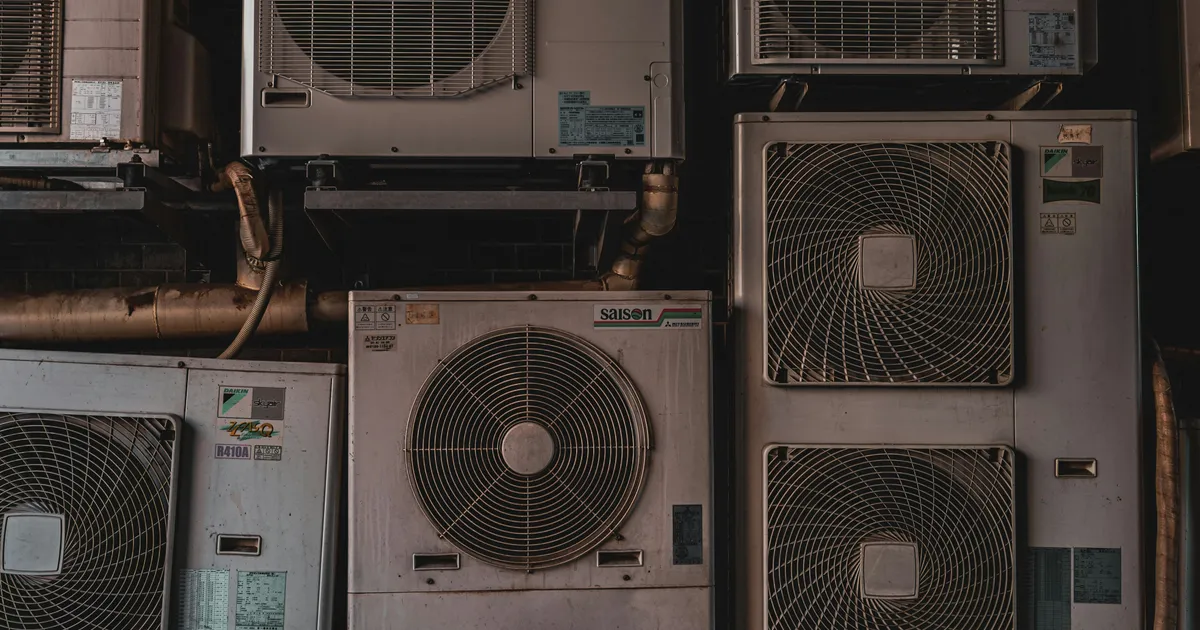

Maintaining your central air conditioning unit’s condenser coils for peak efficiency is the most effective way to ensure longevity and low energy costs as we head into the 2026 cooling season. The condenser unit, typically located outdoors, acts as a heat exchanger that releases the thermal energy extracted from your home’s interior into the outside air. Over time, these coils collect dust, pollen, leaves, and organic debris, forming an insulating layer that forces the compressor to work significantly harder to dissipate heat. By proactively cleaning and inspecting these coils, you not only improve cooling capacity but also prevent premature mechanical failure of the system’s most expensive components, such as the compressor and fan motor.
The Physics of Heat Exchange
The efficiency of your HVAC system relies entirely on the successful transfer of heat from the refrigerant gas to the outside atmosphere. Inside the condenser, the refrigerant travels through a series of copper coils surrounded by aluminum fins, which are designed to maximize surface area for rapid heat dissipation. When these fins become clogged with airborne particulate matter, the system loses its ability to shed heat effectively, leading to increased head pressure and higher electrical consumption. In 2026, energy efficiency standards are stricter than ever, making it vital for homeowners to understand that a dirty coil acts as an insulator, trapping heat inside the system and forcing the compressor to run longer cycles.
Furthermore, restricted airflow across the coils can lead to a phenomenon known as high-side pressure buildup. As the refrigerant remains hot, the compressor experiences excessive strain, which can lead to overheating or electrical burnout. Scientific studies from organizations like the U.S. Department of Energy highlight that even a thin layer of dust can reduce system efficiency by up to 15 percent. By maintaining a clean exterior, you allow the heat exchange process to occur under optimal pressure conditions, which preserves the life of the compressor and ensures your home remains comfortable even during record-breaking summer temperatures.
Preparation and Safety Measures
Before you begin any maintenance on your outdoor condenser unit, you must prioritize safety by completely cutting off the power supply. Locate the electrical disconnect box, typically found near the unit on the exterior wall, and pull the disconnect block or flip the breaker to the off position. This prevents the fan from starting unexpectedly, which could cause injury during the cleaning process. Additionally, clearing a two-foot perimeter of vegetation, tall grass, and debris around the unit is essential for maintaining proper airflow. This preparation creates a safe workspace and ensures that the condenser has the necessary space to intake and exhaust air without obstruction.
It is also advisable to gather the correct tools before starting your maintenance routine to avoid mid-task interruptions. You will need a soft-bristled brush, a specialized fin comb, a gentle garden hose with a spray nozzle, and perhaps a mild foaming coil cleaner specifically formulated for HVAC applications. Avoid using high-pressure washers, as the intense force can easily bend the delicate aluminum fins, which would cause even greater airflow restrictions than the dirt you are trying to remove. Once the area is clear and the power is confirmed to be off, you can safely proceed to the cleaning stage with confidence and precision.
Cleaning the Coil Surfaces
Effective Debris Removal
The first step in cleaning is to remove loose, surface-level debris such as grass clippings or leaves from the exterior of the condenser cabinet. Using a soft brush or a vacuum with a soft brush attachment, carefully sweep the fins in a vertical motion, following the direction of the aluminum fins to avoid bending them. Once the surface debris is gone, apply a high-quality, non-acidic foaming coil cleaner to the exterior of the coils. Allow the solution to sit for the manufacturer’s recommended duration, usually five to ten minutes, to penetrate and break down the stubborn grime, oxidation, and oily residues that have accumulated throughout the winter months.
After the cleaning agent has had time to work, use your garden hose to gently rinse the coils from the inside out, if your unit’s design allows, or simply rinse from the top down to flush the loosened dirt away. Ensure you use a low-pressure setting to protect the structural integrity of the fins. If you notice any bent fins during this process, use a fin comb to carefully straighten them, as even slight deformations can significantly impede airflow. Proper cleaning in early 2026 will ensure that your system operates at its peak rated efficiency, ultimately saving you money on utility bills and reducing the carbon footprint of your home cooling.
Comparing Maintenance Methods
To help you decide the best approach for your specific unit, consider the following comparison of maintenance techniques. While professional servicing is recommended annually, understanding these methods empowers you to perform routine upkeep between visits.
| Maintenance Method | Frequency | Skill Level | Primary Benefit |
|---|---|---|---|
| Surface Cleaning | Monthly | Beginner | Prevents airflow blockages |
| Foam Coil Wash | Bi-Annually | Intermediate | Removes deep-set grime |
| Professional Tune-up | Annually | Expert | Checks refrigerant levels |
| Fin Straightening | As Needed | Intermediate | Restores laminar airflow |
Choosing the right maintenance approach depends on your local environment. If you live in an area with high pollen counts or significant construction dust, you may need to perform surface cleaning more frequently. Conversely, if your unit is located in a relatively sheltered area, a bi-annual deep clean should suffice. Always cross-reference your maintenance schedule with the manufacturer’s manual, as some high-efficiency units have proprietary coatings on the coils that require specific, non-corrosive cleaning agents to prevent degradation. Neglecting these manufacturer guidelines can void your warranty, which is why authoritative sources like ACCA emphasize the importance of following professional standards.
Identifying Warning Signs
Aside from routine maintenance, you should be vigilant for signs that your condenser coils require immediate attention. One common indicator is a noticeable increase in your monthly energy bills without a corresponding change in your cooling habits. Additionally, if you notice that the air coming from your vents is not as cold as it used to be, or if your air conditioner is running for extended periods without cycling off, your coils may be restricted. In extreme cases, you might even hear the compressor struggling or see ice forming on the refrigerant lines, which is a sign of a severe airflow restriction or a refrigerant leak.
Regularly inspecting the unit for these symptoms allows you to catch minor issues before they escalate into costly repairs. If you observe any unusual noises, such as rattling or grinding, or if the fan motor seems sluggish, these are clear indicators that the system is under excessive stress. While a clean coil is essential, it is not a panacea for all mechanical problems. If you have cleaned the coils and the performance remains substandard, it is time to call a certified HVAC technician to check the refrigerant pressures, as low refrigerant levels can mimic the symptoms of a dirty condenser coil.
Long-Term System Care
Maintaining the efficiency of your condenser coils is an ongoing commitment to the health of your HVAC system. In addition to cleaning, consider the impact of your home’s landscaping on the unit. Avoid planting shrubs, flowers, or trees too close to the condenser, as these can restrict airflow and drop leaves or pine needles directly into the unit. Instead, maintain a cleared zone of at least three feet around the entire unit. By optimizing the environment surrounding your air conditioner, you reduce the workload on the compressor and ensure that the coils remain cleaner for longer periods throughout the year.
Finally, keep a maintenance log of all cleaning and service dates. This record is invaluable if you ever need to file a warranty claim or if you decide to sell your home, as it proves that you have been a responsible steward of the equipment. A well-documented history of care demonstrates to prospective buyers and technicians alike that the system has been maintained to high standards. By integrating these simple, consistent habits into your home maintenance routine, you can maximize the performance of your central air conditioning unit and enjoy reliable, efficient cooling for many years to come.
Key Takeaways
- Regularly clean the condenser coils to prevent heat transfer loss and energy waste.
- Always disconnect the power supply before performing any maintenance or cleaning.
- Use a soft-bristled brush and low-pressure water to avoid damaging delicate aluminum fins.
- Maintain a clear perimeter of at least three feet around the outdoor unit for airflow.
- Monitor for symptoms like ice buildup or higher energy bills as signs of inefficiency.
- Consult your owner’s manual to ensure the cleaning agents used are compatible with your unit.
Frequently Asked Questions
How often should I clean my condenser coils?
For most residential systems, cleaning the coils once or twice a year is sufficient. However, if you live in a dusty area or have cottonwood trees nearby, you may need to perform surface cleaning more frequently.
Can I use a pressure washer on my coils?
No, you should never use a high-pressure washer on condenser coils. The force can easily flatten the aluminum fins, which will permanently restrict airflow and reduce the cooling capacity of your unit.
What if my coils are still dirty after washing?
If simple washing does not remove the grime, you may need a professional-grade foaming coil cleaner. If they remain blocked after using a cleaner, contact a professional technician to perform a deep chemical cleaning.
Is it necessary to remove the fan cage to clean the coils?
While removing the fan cage allows for a more thorough cleaning, it is not always necessary for routine maintenance. If you choose to do this, ensure the power is completely disconnected and be careful not to damage the fan blades.
Does a dirty condenser coil cause ice on the lines?
Yes, restricted airflow caused by dirty coils can prevent the refrigerant from absorbing enough heat, leading to low suction pressure and the formation of ice on the evaporator and refrigerant lines.
Conclusion
Maintaining your central air conditioning unit’s condenser coils is a straightforward yet critical task that directly impacts your home’s comfort and your financial bottom line. By dedicating time to clear debris, gently clean the fins, and monitor the unit for performance changes, you are actively extending the lifespan of your cooling system. As we navigate the cooling demands of 2026, remember that a proactive approach to HVAC maintenance is the most effective way to prevent costly emergency repairs. Stay diligent, keep the airflow clear, and enjoy the consistent, efficient cooling performance your home deserves all summer long.