

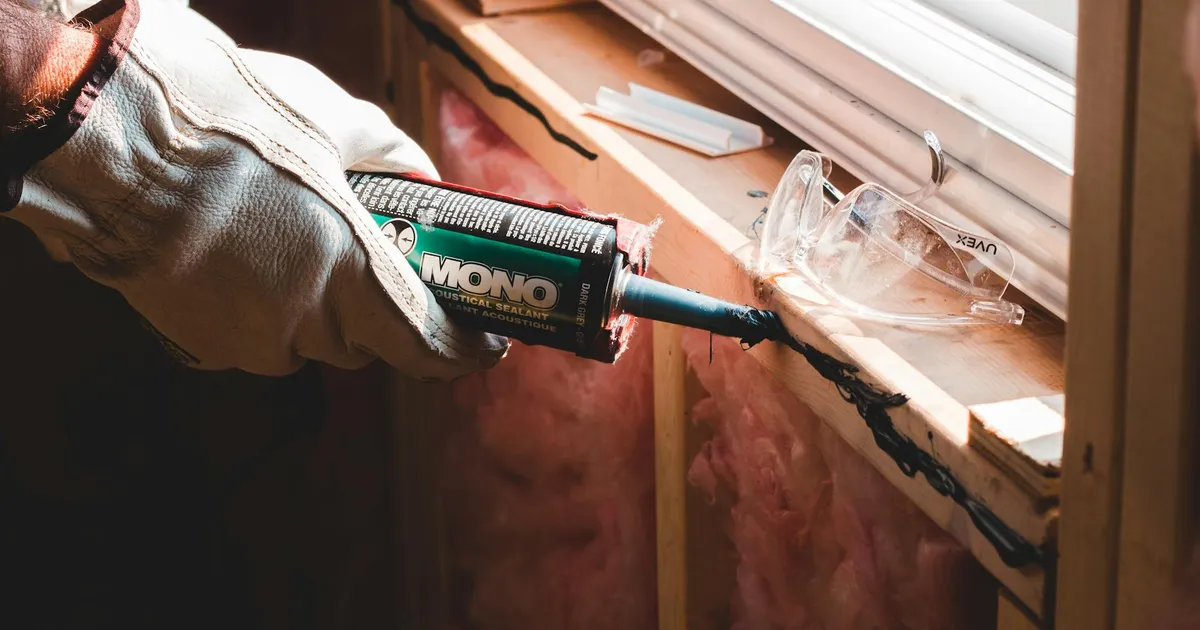

Sealing exterior window gaps to prevent winter drafts and energy loss is a crucial step in maintaining a comfortable and energy-efficient home, especially during the cold winter months of 2026. As a senior engineer, I can attest that proper sealing of window gaps can significantly reduce heat transfer and minimize energy consumption. In this article, we will delve into the technical aspects of sealing exterior window gaps, discussing various methods, materials, and best practices. According to the U.S. Department of Energy, sealing air leaks can save homeowners up to 30% on their energy bills. By understanding the importance of sealing window gaps, homeowners can take proactive steps to reduce their energy consumption and create a more sustainable living environment.
Gap Detection
To effectively seal exterior window gaps, it is essential to first detect the gaps and assess their severity. This can be done using various methods, including visual inspections, smoke tests, and infrared thermal imaging. During a visual inspection, look for signs of air leakage, such as gaps between the window frame and the surrounding wall, or damaged weatherstripping. For a more comprehensive assessment, consider hiring a professional to conduct a smoke test or use an infrared thermal imaging camera to identify areas of heat transfer.
In addition to these methods, homeowners can also use EPA-recommended techniques, such as the candle test, to detect air leaks. By holding a lit candle near the window gap, you can observe the flame’s movement and determine if there is any air leakage. This simple yet effective method can help homeowners identify potential gaps and take corrective action to seal them.
Sealing Materials
Once the gaps have been detected, the next step is to select the appropriate sealing materials. There are various types of materials available, including caulk, weatherstripping, spray foam, and epoxy-based sealants. Caulk is a popular choice for sealing gaps between windows and surrounding walls, while weatherstripping is commonly used to seal gaps between movable parts, such as window sashes. When choosing a sealing material, consider factors such as durability, flexibility, and resistance to weathering.
In 2026, there is a growing trend towards using eco-friendly and sustainable sealing materials, such as low-VOC caulks and spray foams. These materials not only provide effective sealing but also minimize environmental impact. Homeowners can explore options like silicone-based sealants or polyurethane-based foams, which offer excellent durability and resistance to weathering.
Sealing Techniques
To ensure effective sealing, it is crucial to use the right sealing techniques. This includes preparing the surface, applying the sealing material, and ensuring proper curing. For example, when using caulk, make sure to clean the surface thoroughly and apply a bead of caulk that is slightly larger than the gap. When using spray foam, wear protective gear and apply the foam in a well-ventilated area, following the manufacturer’s instructions.
Surface Prep
Proper surface preparation is critical to ensuring a strong bond between the sealing material and the surface. This includes cleaning the surface to remove dirt, dust, and other debris, as well as priming the surface if necessary. By taking the time to properly prepare the surface, homeowners can ensure a durable and long-lasting seal.
Window Frame Repair
In some cases, sealing exterior window gaps may require repairing or replacing the window frame. This can be a more involved process, requiring the expertise of a professional contractor. However, it is essential to address any underlying issues with the window frame to prevent further damage and energy loss.
When repairing or replacing a window frame, consider using materials that are durable and energy-efficient, such as fiberglass or vinyl. These materials offer excellent resistance to weathering and can help minimize heat transfer. Additionally, look for windows with a high Energy Star rating, which indicates that they meet energy efficiency standards set by the U.S. Environmental Protection Agency.
Energy Efficiency
Sealing exterior window gaps is an essential step in improving energy efficiency and reducing energy consumption. By minimizing heat transfer and air leakage, homeowners can enjoy a more comfortable living environment while also reducing their energy bills. In 2026, many homeowners are looking for ways to reduce their carbon footprint, and sealing window gaps is a simple yet effective way to do so.
In addition to sealing window gaps, homeowners can also explore other energy-efficient solutions, such as installing energy-efficient windows or adding insulation to their attic or walls. By taking a comprehensive approach to energy efficiency, homeowners can create a more sustainable and comfortable living environment.
Key Takeaways
- Sealing exterior window gaps can reduce energy consumption and prevent winter drafts
- Various sealing materials are available, including caulk, weatherstripping, and spray foam
- Proper surface preparation is critical to ensuring a strong bond between the sealing material and the surface
- Window frame repair or replacement may be necessary to address underlying issues
- Energy-efficient solutions, such as installing energy-efficient windows, can further reduce energy consumption
- Regular maintenance and inspection can help identify and address air leaks and energy inefficiencies
Frequently Asked Questions
What is the most effective way to seal exterior window gaps?
The most effective way to seal exterior window gaps depends on the type and severity of the gap. However, using a combination of caulk and weatherstripping can provide a durable and long-lasting seal.
How often should I inspect and maintain my windows?
It is recommended to inspect and maintain your windows at least once a year, ideally before the winter months. This can help identify and address any air leaks or energy inefficiencies.
Can I use spray foam to seal gaps around my windows?
Yes, spray foam can be used to seal gaps around windows, but it is essential to follow the manufacturer’s instructions and take necessary safety precautions.
What are the benefits of using energy-efficient windows?
Energy-efficient windows can provide numerous benefits, including reduced energy consumption, improved comfort, and increased property value.
How can I reduce my energy consumption and carbon footprint?
There are several ways to reduce energy consumption and carbon footprint, including sealing air leaks, installing energy-efficient windows, adding insulation, and using renewable energy sources.
Conclusion
In conclusion, sealing exterior window gaps is a crucial step in maintaining a comfortable and energy-efficient home. By using the right sealing materials and techniques, homeowners can minimize heat transfer and air leakage, reducing energy consumption and energy loss. As we move forward in 2026, it is essential to prioritize energy efficiency and sustainability, and sealing window gaps is a simple yet effective way to do so. By taking proactive steps to address air leaks and energy inefficiencies, homeowners can create a more comfortable and sustainable living environment.