

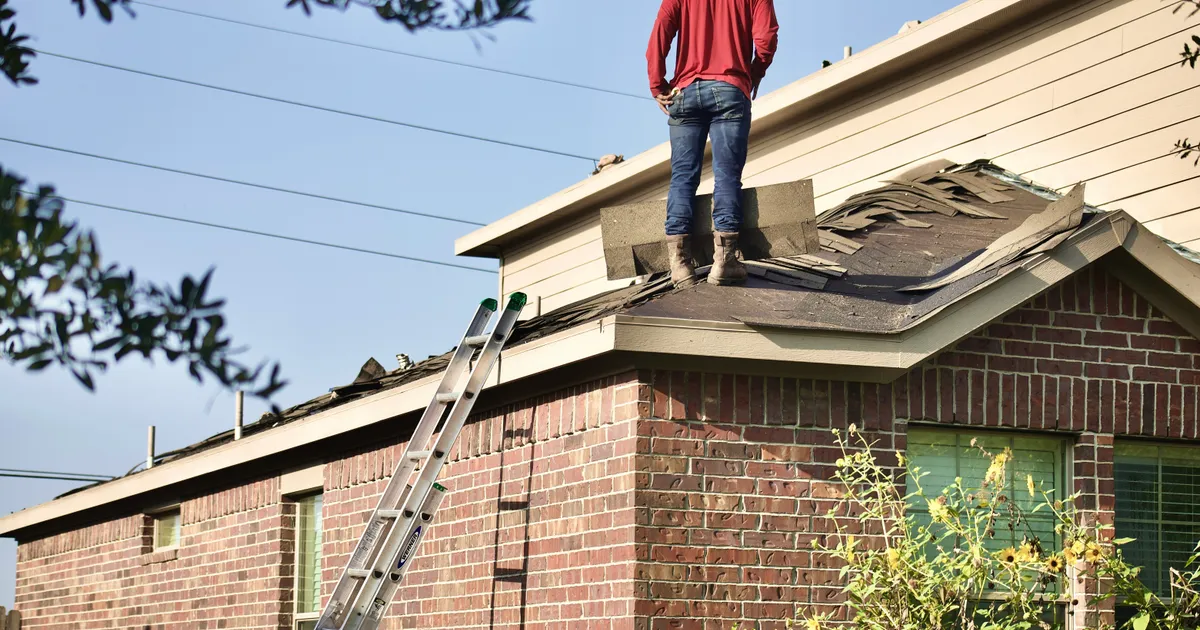

Learning how to safely inspect your roof shingles for signs of wind or hail damage is a vital skill for every homeowner looking to protect their property investment in 2026. Severe weather events can compromise the structural integrity of your roofing system long before a visible leak appears inside your living space. By conducting a proactive assessment, you can identify minor issues such as granule loss, cracked shingles, or displaced flashing before they escalate into costly interior water damage. While professional inspections are always recommended, understanding the visual indicators of environmental stress empowers you to monitor your home’s condition effectively. This guide provides the expert methodology needed to evaluate your roof while prioritizing personal safety above all else during the inspection process.
Prioritize Safety Before Starting
Before you even consider climbing a ladder, you must prioritize your personal safety. Roofing inspections are inherently risky, and falls remain one of the leading causes of home-related injuries. Never attempt to walk on a roof that is steep, wet, or covered in debris, as these conditions significantly increase the likelihood of a slip. Instead, utilize high-quality binoculars or a drone equipped with a high-resolution camera to conduct a ground-level inspection of the entire surface. If you do decide to use a ladder, ensure it is placed on level ground and secured properly to the structure. Always inform someone else of your plans before you begin, and avoid performing any work during windy or overcast conditions that might obscure your vision.
Professional roofing contractors often emphasize that safety gear, such as a harness and slip-resistant footwear, is mandatory for anyone stepping onto a roof. If your home has a pitch steeper than a 4:12 ratio, it is strongly advised to leave the physical inspection to licensed professionals who carry the necessary liability insurance. According to the National Roofing Contractors Association, proper safety protocols prevent thousands of accidents annually. By maintaining a distance from the roof and utilizing visual aids, you can often spot significant damage without exposing yourself to unnecessary danger. Remember that your life is far more valuable than a few damaged shingles, so err on the side of caution whenever you feel uncertain about your stability or the height involved.
Identify Common Wind Damage Signs
Wind damage often manifests as lifted, curled, or missing shingles that have been compromised by high-velocity gusts. When wind speeds exceed the rating of your shingles, the adhesive strips can break their bond, allowing the material to lift and flutter. This repeated movement weakens the shingle’s integrity and can lead to tears or total detachment. Look for shingles that appear misaligned or show creases along the horizontal edge, as these are classic signs of wind uplift. If you notice shingles missing entirely, this is a clear indication that the protective barrier of your roof has been breached, exposing the underlayment to the elements and increasing the risk of water infiltration during the next rainfall.
In addition to the shingles themselves, you must inspect the flashing around chimneys, skylights, and vent pipes. Wind can easily lift the metal flashing, creating gaps where water can seep into the roof deck. If you see metal that appears buckled or pulled away from the masonry or wood surfaces, it requires immediate attention. Furthermore, look for granular debris in your gutters, as this often indicates that the protective top layer of the shingles has been scoured away by debris-laden winds. By documenting these areas with photographs, you create a necessary paper trail for potential insurance claims in 2026. Consistent monitoring of these high-risk zones allows for timely repairs that extend the overall lifespan of your roofing system.
Detecting Subtle Hail Impacts
Hail damage is often more difficult to identify than wind damage because it can leave subtle, non-obvious marks that still compromise the shingle’s waterproofing capabilities. Hailstones typically strike the roof at high speeds, bruising the asphalt mat and causing localized granule displacement. Look for circular indentations or dark spots where the granules have been knocked off, exposing the underlying fiberglass mat. These bruised areas are particularly vulnerable to UV degradation and moisture absorption, which can lead to premature aging and eventual cracking. When inspecting, run your hand lightly over the surface of the shingles; if you feel a soft or “dimpled” spot that feels different from the surrounding area, it may be a sign of a hail impact.
Advanced Detection Techniques
To identify hail strikes with greater accuracy, experts use a technique called “chalking.” By lightly rubbing a piece of sidewalk chalk over the surface of the shingles, the indentations caused by hail will become highlighted, as the chalk will collect in the depressions while leaving the surrounding granules untouched. This is especially effective on dark-colored asphalt shingles where minor bruises are otherwise hard to see with the naked eye. Be sure to check all slopes of the roof, as hail often strikes one side of the house more severely than others depending on the wind direction during the storm. If you find a high density of these marks, it is a strong indicator that your roof has suffered significant environmental trauma.
Comparison of Damage Types
Understanding the difference between common environmental damage types is crucial for accurate assessment. Use the following table to distinguish between the visual indicators of wind versus hail impacts on your roof structure.
| Damage Indicator | Wind Damage | Hail Damage |
|---|---|---|
| Shingle Position | Lifted, curled, or missing | Flat but with indentations |
| Surface Texture | Tears and horizontal creases | Bruising and granule loss |
| Flashing Status | Loosened or detached | Usually unaffected |
| Debris Location | Granules in gutters | Granules at base of downspouts |
By comparing your findings against this guide, you can determine which environmental factor is the primary culprit behind your roof’s condition. For instance, if you observe missing shingles, the damage is almost certainly wind-related, whereas a high concentration of circular bruises points toward a recent hail event. Identifying the cause helps when speaking with insurance adjusters, as they will often ask for specific details regarding the nature of the damage. Always consult the Federal Emergency Management Agency guidelines for disaster-related home maintenance if you are recovering from a major localized weather event. Proper classification of the damage ensures that you are looking for the right symptoms and applying the correct remediation strategies for your specific situation.
Evaluating Your Roof’s Age and Health
The age of your roof significantly dictates how susceptible it is to damage. Asphalt shingles have a limited lifespan, typically ranging from 15 to 30 years depending on the quality of the material and local climate factors. As shingles reach the end of their service life, they become brittle and lose their elasticity, making them far more prone to cracking during hailstorms or high winds. If your roof is approaching the two-decade mark, minor damage that might be cosmetic on a newer roof could represent a systemic failure on an older one. Assessing the overall health of your roof includes checking the attic for signs of light penetration or water staining on the underside of the roof deck.
Inspect the condition of your attic ventilation as well, as poor airflow can lead to heat buildup that accelerates shingle deterioration. If you notice that your shingles are curling upward at the corners or that the edges are becoming thin and worn, these are classic signs of advanced aging. In 2026, homeowners are increasingly turning to impact-resistant roofing materials that offer better durability against extreme weather. If your current roof is consistently failing, it may be time to consider a replacement rather than repetitive repairs. Documenting your roof’s age and the frequency of repairs will help you make an informed decision when evaluating whether to file an insurance claim or pay for the maintenance out of pocket.
When to Call a Professional
Knowing your limits is a core component of responsible homeownership. While you can handle initial visual inspections from the ground, any physical repair work or detailed analysis of structural integrity should be performed by a certified roofing contractor. Professionals have the training to identify “hidden” damage that an untrained eye might miss, such as underlying rot or compromised roof deck boards. They also possess the correct equipment to access steep areas safely and can provide a written report that is often required by insurance companies to validate a claim. If you find significant damage during your initial scan, stop your inspection immediately and contact a reputable local firm to handle the assessment.
When selecting a contractor, prioritize those with strong local reputations and proper licensing. Avoid “storm chasers” who knock on your door immediately after a weather event, as they often lack the long-term commitment to quality that an established local business provides. Always ask for references and proof of insurance before allowing anyone to climb onto your roof. A professional inspection typically includes a thorough check of the entire roofing system, including gutters, soffits, and fascia, ensuring that no secondary damage has occurred. By partnering with experts, you ensure that your home remains protected against future weather threats and that your investment is handled with the highest level of care and technical expertise.
Key Takeaways
- Safety is the top priority; utilize binoculars or drones to inspect roofs from the ground.
- Wind damage is characterized by lifted, creased, or missing shingles and loose flashing.
- Hail damage appears as circular bruises or granule loss that weakens the shingle’s mat.
- Chalking is an effective, non-destructive way to highlight subtle hail impact marks.
- Always document damage with clear photographs to assist with future insurance claims.
- If damage is significant, contact a licensed professional for a comprehensive inspection.
Frequently Asked Questions
How can I tell if my shingles are damaged from the ground?
Use binoculars to look for uneven lines, missing tabs, or curled edges on your shingles. You can also look for piles of granules in your gutters, which often indicates that the protective layer of the shingle has been stripped away by wind or hail.
Is it safe to walk on my roof to check for damage?
It is generally not recommended unless you have professional training and proper safety equipment. Roofs can be slippery and steep, and walking on them can cause further damage to aging or brittle shingles. Stick to ground-level inspections whenever possible.
What should I do if I find missing shingles?
Missing shingles expose the roof deck to moisture, which can lead to leaks and structural rot. Contact a professional roofer immediately to have the missing shingles replaced and to ensure that the surrounding area is still properly sealed against the weather.
Does insurance cover hail damage on my roof?
Most standard homeowners insurance policies cover damage caused by hail and wind. However, you should review your policy and contact your provider as soon as you discover the damage to understand your deductible and the required documentation process.
How often should I inspect my roof for damage?
It is recommended to inspect your roof at least twice a year, as well as immediately following any severe storm or high-wind event. Regular inspections allow you to catch small problems before they require expensive, extensive repairs.
Conclusion
Maintaining the integrity of your roof is the most effective way to safeguard your home against the unpredictable forces of nature. By mastering the ability to safely identify signs of wind and hail damage, you take a proactive stance in home preservation. Remember that early detection is the key to preventing minor issues from ballooning into catastrophic structural failures. Whether you are conducting a routine check in 2026 or responding to a recent storm, always prioritize your safety and rely on professional expertise when the situation demands it. A well-maintained roof is your first line of defense, ensuring your peace of mind throughout every season.