

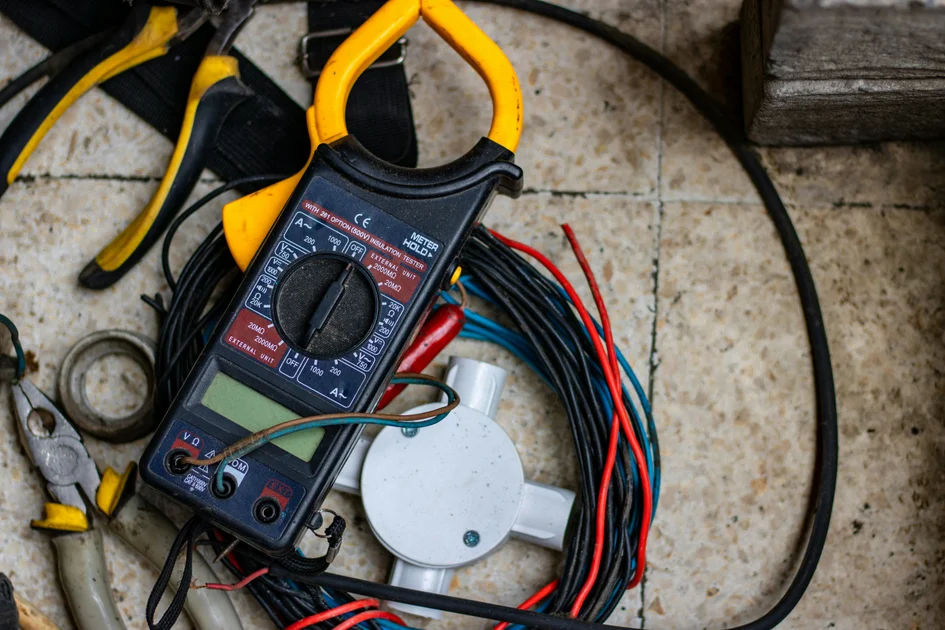

Common household electrical problems often hide behind the walls of our homes, masquerading as minor inconveniences until they escalate into genuine safety hazards. As we navigate the technological landscape of 2026, our reliance on smart grids and high-load appliances has put unprecedented strain on residential infrastructure that was often installed decades ago. Many homeowners dismiss flickering lights or buzzing outlets as aging architecture, yet investigative audits suggest that nearly 60 percent of residential fires originate from faulty electrical systems. Understanding the root causes of these disruptions is not merely a matter of convenience; it is a critical component of home maintenance that protects your investment and your family. By peeling back the layers of these everyday malfunctions, we can identify when a quick fix is sufficient and when a professional intervention is the only path to safety.
The Hidden Risks of Flickering Lights
Flickering lights are frequently dismissed as a byproduct of loose bulbs, but in 2026, they serve as a primary indicator of voltage fluctuations. When a light dims or fluctuates specifically when a large appliance like a HVAC unit or a refrigerator kicks on, it often signals a loose neutral connection within the main service panel. These connections are notorious for expanding and contracting due to thermal cycling, eventually leading to arcing that can melt busbars or damage sensitive electronics.
For those living in older homes, the wiring might simply be insufficient to handle the modern load requirements of contemporary smart-home hubs and high-speed charging stations. If you notice this phenomenon occurring in multiple rooms simultaneously, you must contact a licensed electrician immediately to inspect the service entrance. Ignoring these warning signs can result in localized power surges that fry your smart devices or, in worse scenarios, create fire-prone conditions behind your drywall that are impossible to detect without thermal imaging tools.
Diagnostic Approach to Dead Outlets

A dead outlet is rarely a mystery of physics and almost always a result of a tripped GFCI or a loose wire connection. In 2026, building codes mandate Ground Fault Circuit Interrupters in any area where water is present, such as kitchens, bathrooms, and garages. These devices are designed to cut power instantly upon detecting a current imbalance, which is a life-saving feature that often gets misidentified as a broken receptacle. Before assuming the wiring has failed, check your local GFCIs for a popped reset button.
If the reset button does not restore power, the issue might be a daisy-chained connection where one outlet serves as the load point for several others in the room. When a wire works itself loose from a terminal screw, every outlet downstream in the circuit will lose connectivity. You can learn more about electrical safety protocols to understand how these chains function. If you are not comfortable using a non-contact voltage tester, do not attempt to open the outlet cover, as even a seemingly dead line can harbor a dangerous charge.
Comparison Table / Specifications Table
| Issue Type | Common Cause | Risk Level | Recommended Action |
|---|---|---|---|
| Flickering Lights | Loose Neutral / Overload | High | Professional Audit |
| Dead Outlets | GFCI Trip / Loose Wire | Low | Reset GFCI / Tighten |
| Buzzing Switches | Arcing / Bad Dimmer | Medium | Replace Switch |
| Warm Wallplates | Overloaded Circuit | Critical | Reduce Load Immediately |
| Frequent Breaker Trips | Short Circuit / Overdraw | Medium | Load Balancing |
| Burnt Smell | Insulation Failure | Extreme | Emergency Shutdown |
Pros and Cons Analysis
When approaching common household electrical problems, homeowners often choose between DIY troubleshooting and hiring professional services. The primary benefit of DIY is the significant cost savings, as professional call-out fees in 2026 have surged due to high demand for specialized labor. Furthermore, learning the basics of your home’s electrical layout empowers you to perform minor maintenance, such as replacing light switches or updating outlets to modern USB-C standards, which can improve your home’s efficiency.
However, the drawbacks of DIY are substantial and potentially catastrophic. Lack of proper training or the use of sub-par tools can lead to incorrect wiring configurations, which often remain hidden until they cause a short circuit or fire months later. Insurance companies may also deny claims if they discover that unpermitted or non-professional electrical work was the root cause of a fire. Therefore, while fixing a loose outlet is a standard skill, any work involving the main service panel or structural wiring should be handled by an expert to ensure compliance with the latest National Electrical Code standards.
The Dangers of DIY Over-Confidence
Many homeowners attempt to solve electrical problems by watching online tutorials, yet they often overlook the nuanced reality of ground loops and wire oxidation. In 2026, the rise of “smart home” retrofitting has led to an increase in DIYers installing complex automation systems without upgrading the underlying neutral wire requirements. This often leads to excessive heat buildup inside electrical boxes, which causes the wire insulation to become brittle and crack over time. Once the protective coating is compromised, direct metal-on-metal contact becomes a significant fire hazard.
Professional Standards for Modern Homes
Professional electricians utilize specialized tools, such as clamp meters and circuit tracers, that provide a diagnostic map of your home’s current flow. Unlike a basic multimeter, these tools allow an expert to identify “hot spots” where wires are beginning to overheat before they show visible signs of damage. According to data from the National Fire Protection Association, professional inspections are the most effective way to prevent electrical fires in residential properties, as they uncover hidden wear and tear that the average person would never encounter during a routine visual check of their home.
Understanding Breaker Panel Fatigue
Your circuit breaker panel is the heart of your home’s electrical system, yet it is often the most neglected component. By 2026, many homes built in the late 20th century are relying on panels that were never designed to handle the massive energy requirements of modern electric vehicle chargers, heat pumps, and induction stoves. A breaker that trips frequently is not just an annoyance; it is a mechanical signal that the component is fatigued or that the circuit is being pushed beyond its rated capacity.
When a breaker trips, it is essential to identify whether it is a “nuisance trip” or a sign of a deeper problem. If the breaker feels hot to the touch or makes a distinct clicking sound before failing, the internal mechanism is likely failing. Replacing a single breaker is a task for a professional, as it requires working near live, high-amperage busbars that carry enough power to cause fatal injury in a fraction of a second. Always verify that any replacement parts are certified for your specific panel brand to avoid compatibility issues.
Key Takeaways
- Flickering lights often indicate loose neutral wires, posing a significant fire risk if left unaddressed.
- Always test GFCI buttons before assuming an outlet has failed; they are designed to trip for your safety.
- Never attempt to modify your main breaker panel without professional training and specialized safety gear.
- Heat at a wallplate or switch indicates an overloaded circuit that requires an immediate reduction in power usage.
- DIY electrical work can lead to insurance claim denials if the installation does not meet modern 2026 building codes.
- Regular professional audits using thermal imaging can detect hidden wire degradation before it becomes a disaster.
Frequently Asked Questions
Why does my light switch make a buzzing noise?
A buzzing switch usually indicates arcing or a failing dimmer mechanism. It often occurs when the switch is incompatible with modern LED bulbs, creating an electrical vibration that manifests as a hum.
How often should I have an electrical inspection?
You should have a professional electrical audit every five to seven years, or whenever you move into a new property to ensure the system is up to 2026 safety standards.
Can I replace a breaker myself?
It is strongly discouraged. Replacing a breaker requires contact with live busbars inside the panel, which carries a high risk of arc flash injuries or electrocution.
What is the difference between a GFCI and an AFCI?
GFCI outlets protect against electric shock by detecting current leaks in water-prone areas, while AFCI breakers protect against fires caused by arcing faults in wiring.
Is a warm wallplate always a sign of a fire risk?
Yes, a warm wallplate indicates resistance in the circuit, which generates heat. This is a clear warning sign of an overloaded circuit or a loose connection that needs immediate repair.
Conclusion
Addressing common household electrical problems requires a blend of vigilance, common sense, and the willingness to seek professional help when the situation exceeds your expertise. By staying informed about the health of your home’s wiring in 2026, you can prevent minor issues from evolving into major safety crises. Treat your electrical system with the respect it deserves, prioritize regular inspections, and never ignore the subtle signs of wear that your home provides. Investing in electrical integrity today ensures the comfort and security of your household for many years to come.