

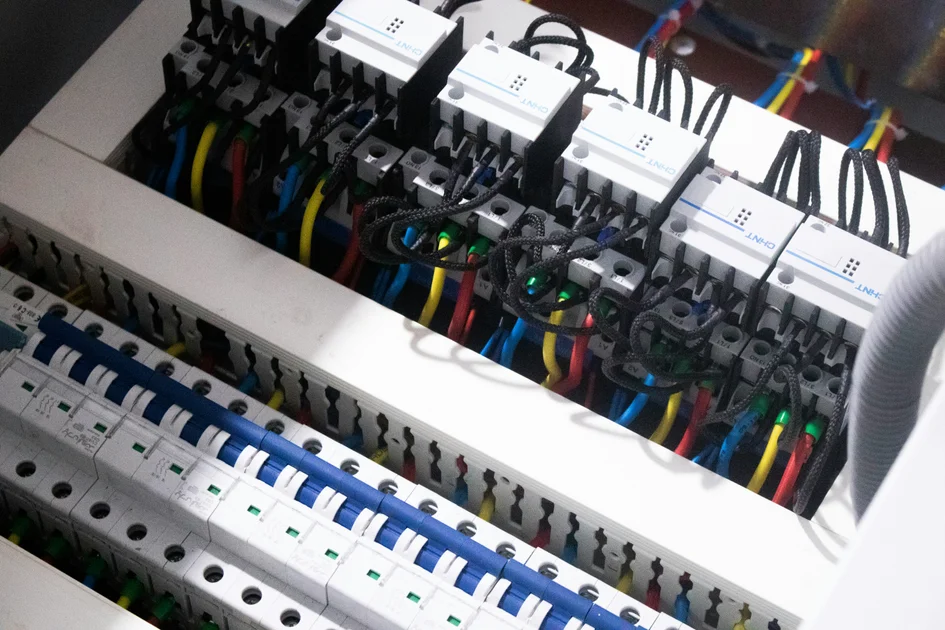

Mastering electrical maintenance tips to prevent costly repairs is no longer a luxury for property owners in 2026; it is a fundamental survival strategy against the rising costs of emergency service calls. As our homes become increasingly reliant on smart grids and high-voltage integrated systems, the margin for error has shrunk significantly. Many homeowners remain oblivious to the silent degradation occurring behind their drywall, where loose connections and outdated wiring components create a ticking clock of potential hazards. By shifting from a reactive “fix-it-when-it-breaks” mentality to a proactive, diagnostic approach, you can effectively bypass thousands of dollars in unexpected damage while ensuring your residential infrastructure remains compliant with the latest building safety codes. This investigative deep-dive uncovers the industry secrets that licensed electricians rarely share with their clients until an expensive catastrophe has already occurred.
The Hidden Reality of Thermal Degradation
The most dangerous phenomenon in modern residential infrastructure is thermal cycling, a process where wires expand and contract as they heat up and cool down during daily use. Over time, these microscopic movements cause terminal screws to loosen, creating high-resistance connections that generate localized heat without necessarily tripping a breaker. By 2026, industry data suggests that over 40 percent of electrical fires stem from these loose connections that go undetected for years. Homeowners should perform a thermal audit of their panel using a non-contact infrared thermometer, looking for hot spots around breakers that indicate impending failure or loose clamping.
Ignoring these fluctuations is the primary catalyst for the catastrophic component failure that forces emergency intervention. When a connection loses its integrity, it creates an arc—a tiny jump of electricity that can reach thousands of degrees in an instant. This intense heat melts wire insulation, which eventually bridges to other conductors, causing a short circuit. Detecting this early involves listening for faint buzzing or crackling sounds coming from your outlet boxes or the service panel. If you notice any discoloration on plastic cover plates or flickering lights during heavy appliance use, you are likely witnessing the early stages of a thermal breakdown that requires immediate professional evaluation.
The Truth About Smart Home Overload
The surge in smart home adoption by early 2026 has placed an unprecedented burden on legacy electrical systems that were never designed for constant, low-voltage draw. While individual smart plugs and hubs consume little power, the sheer density of connected devices in a modern room can lead to circuit saturation. This density creates a constant, low-level heat signature in your branch circuits. When you combine this with the aging aluminum wiring found in many mid-century homes, you create a perfect storm for oxidation and connection failure. It is essential to map your circuit loads to ensure that no single breaker is operating at more than 80 percent of its rated capacity.
Recognizing Circuit Saturation Indicators
To avoid massive system repairs, you must learn to recognize the subtle warning signs of an overwhelmed circuit. The most common indicator is a persistent “ghost” power drain where devices fail to charge properly or suffer from inexplicable reboot cycles. Furthermore, if you notice that your smart lighting system exhibits a slight delay or brightness fluctuation when a heavy appliance—like a refrigerator or HVAC unit—kicks on, your system is struggling with voltage sag. This is a critical red flag that your wiring gauge is insufficient for the current demand, and relying on surge protectors alone will not solve the underlying infrastructure deficiency.
Reddit & Expert Community Consensus
Professional electricians across industry forums frequently warn that ‘DIY’ repairs often void insurance coverage. A top-rated electrical engineer on Reddit recently noted: “The biggest mistake I see in 2026 is homeowners installing high-amperage smart switches without verifying the ground-wire integrity. You aren’t just changing a light switch; you are modifying the safety path of your home. If that ground is loose, your surge protection is useless, and you are essentially living with an unmonitored fire hazard.” Another veteran contractor added, “Most people ignore the panel because it is out of sight. I tell my clients to pull the cover once a year and just look for discoloration. If you see a brown mark, call a pro immediately—it is cheaper than an insurance claim.”
Pros and Cons Analysis
When considering professional preventative maintenance versus DIY troubleshooting, property owners must weigh the immediate costs against long-term risk mitigation. The following table outlines the comparative aspects of these approaches in the current 2026 landscape.
| Maintenance Strategy | Pros | Cons |
|---|---|---|
| Professional Annual Inspection | Full code compliance and safety certification. | Significant upfront service fees. |
| DIY Visual Audits | Zero cost; increases system awareness. | Limited access to hidden wiring. |
| System Capacity Upgrades | Prevents future bottlenecking and fire risk. | High initial investment for panel work. |
| Smart Monitoring Devices | Real-time data on energy usage and health. | Requires ongoing software maintenance. |
The Vital Role of Surge Protection
In 2026, relying solely on cheap plug-in surge protectors is a dangerous gamble that many homeowners are losing. While these strips offer minimal protection for individual devices, they do absolutely nothing to protect the sensitive internal circuitry of your home’s major appliances or your main electrical panel. A Whole-Home Surge Protection (WHSP) device is now considered a mandatory installation by many insurance providers to mitigate the impact of grid-side voltage spikes. By installing a unit at the service entrance, you create a primary defensive line that diverts excess energy safely to the ground before it can enter your branch circuits and destroy high-cost electronics.
Beyond external surges caused by utility grid fluctuations, you must also be wary of internal surges generated by your own equipment. Motors in air conditioners and pool pumps create transient voltage spikes every time they cycle off. Without proper protection, these spikes travel back through your wiring, causing “micro-damage” to the delicate electronics in your computers, smart thermostats, and even LED light drivers. Investing in a professional-grade suppression system is one of the most effective electrical maintenance tips to prevent costly repairs, as it drastically extends the lifespan of every powered component within your property envelope.
Navigating Code Compliance and Updates
Electrical codes are not static; they evolve to address the dangers identified by recent fire investigations. Staying updated with the 2026 National Electrical Code (NEC) standards is essential for anyone looking to maintain a safe and insurable property. Many older homes lack Arc-Fault Circuit Interrupters (AFCIs), which are specifically designed to detect the dangerous arcing conditions mentioned earlier. Retrofitting these into your panel can be the difference between a minor localized incident and a total structural loss. While the initial cost of upgrading your panel to meet modern standards may seem steep, it is a fraction of the cost of a full rewire following a catastrophic failure.
Furthermore, documentation of your maintenance history is becoming increasingly vital for resale value and liability protection. When you hire a licensed electrician for an inspection, ensure they provide a detailed summary of the work performed, including torque settings on breakers and any identified deficiencies. This paper trail serves as proof of due diligence, which can be invaluable when dealing with insurance adjusters or prospective buyers. Never underestimate the importance of keeping your electrical system in harmony with current safety regulations, as most insurance policies have clauses that limit coverage for systems that remain in a state of non-compliance for extended periods.
Key Takeaways
- Conduct an annual thermal inspection of your service panel to detect loose connections.
- Ensure your smart device density does not exceed 80 percent of your total circuit load.
- Install a Whole-Home Surge Protection device to shield sensitive electronics from voltage spikes.
- Prioritize the installation of AFCI breakers to mitigate the risk of hidden electrical fires.
- Maintain a detailed log of all electrical inspections for insurance and resale purposes.
- Consult with licensed professionals for any modifications to ensure ongoing code compliance.
Frequently Asked Questions
How often should I have a professional electrical inspection?
For homes over 20 years old, a comprehensive professional inspection is recommended every three to five years to identify degrading wiring or outdated components.
Can I tighten the breakers in my panel myself?
Absolutely not. The main service panel contains live, high-amperage conductors that pose a severe risk of electrocution or arc-flash injury; this must be performed by a licensed electrician.
What are the signs that my wiring needs a complete replacement?
Persistent burning smells, frequently tripped breakers, and the presence of knob-and-tube or aluminum wiring are major indicators that a full system overhaul is necessary.
Do LED lights affect electrical system load?
While LEDs are highly efficient, their electronic drivers can introduce harmonic distortion, which may cause issues in older systems if used in extremely high quantities.
Will surge protection stop a lightning strike?
No system can guarantee protection against a direct lightning strike, but a high-quality WHSP system significantly reduces the damage caused by nearby strikes and grid surges.
Conclusion
Maintaining a safe electrical system is a continuous process of vigilance, education, and professional care. By understanding the mechanical realities of thermal degradation, the risks of smart home saturation, and the necessity of modern surge protection, you are already ahead of the average homeowner. Do not wait for a flickering light or a burnt outlet to take action; proactive maintenance is the only reliable way to prevent costly repairs and ensure the longevity of your home’s infrastructure. In 2026, a well-maintained electrical system is more than just a convenience—it is a cornerstone of your family’s safety and financial security.