


Recognizing the signs your home needs immediate maintenance attention is often the difference between a minor weekend project and a catastrophic financial burden. As we navigate the housing market in 2026, the cost of deferred repairs has reached an all-time high, driven by supply chain fluctuations and a shortage of skilled labor. Many homeowners treat their properties as passive assets, ignoring subtle whispers of decay until they become deafening screams of structural failure. Whether it is the faint, musty scent of hidden moisture or the hairline fracture in a foundation wall, these indicators serve as early warning systems. Ignoring them does not save money; it merely compounds the eventual invoice, turning a manageable task into an emergency renovation that could compromise your family’s safety and your home’s equity.
The Silent Language of Structural Decay
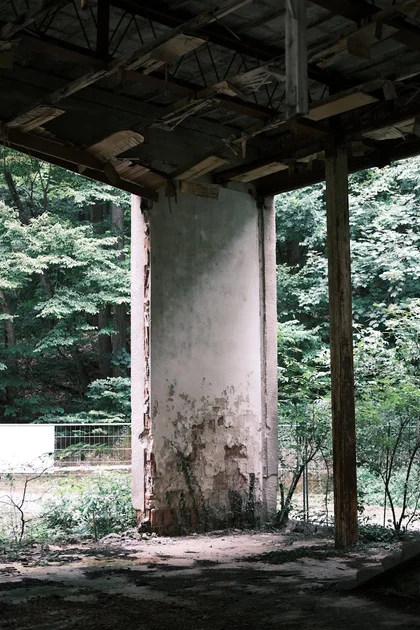
Foundation issues are the most feared, yet often the most overlooked, category of home maintenance. In 2026, architects and structural engineers emphasize that cracks are not merely aesthetic; they are diagnostic tools. A vertical crack might indicate normal settling, but horizontal or stair-step patterns suggest lateral pressure that requires immediate intervention. Beyond the walls, keep a sharp eye on your doors and windows. If they have become difficult to latch or exhibit uneven gaps, your house is likely shifting in ways it was never intended to. This is often linked to soil erosion or water accumulation around the perimeter, a problem that intensifies during the heavy seasonal rains we have seen throughout early 2026.
Industry data from the International Association of Certified Home Inspectors suggests that neglecting these structural warnings can reduce a property’s value by as much as twenty percent within a single year. You should walk your property perimeter monthly, looking specifically for soil pulling away from the foundation or concrete slabs that show signs of spalling. If you notice persistent dampness in the basement or a subterranean odor that does not dissipate with ventilation, do not wait for the next inspection cycle. These are critical signals that the integrity of your home’s skeleton is currently under siege by subterranean moisture or geological instability.
Moisture Management and Roofing Integrity
Water is the single greatest enemy of residential longevity, acting as a slow-moving solvent that dismantles materials from the inside out. When you spot water stains on your ceiling, you are often looking at the aftermath of a failure that happened weeks or months prior. In 2026, high-tech moisture sensors are becoming standard in modern builds, but for the average homeowner, a visual inspection of the attic remains the gold standard. Look for dark, circular patterns on wooden rafters or insulation that appears matted and compressed. These are telltale signs of roof leaks that may be invisible from the exterior surface where shingles often look deceptively intact.
Hidden Dangers in Attic Spaces
Beyond the obvious leaks, examine the attic ventilation systems. If your roof decking feels warm to the touch or if you see signs of wood rot at the eaves, your ventilation is likely failing, causing heat and humidity to bake the structure from within. Proper airflow is essential to prevent ice damming in the winter and shingle degradation in the summer. If you find signs of nesting animals or pest intrusion, they often carry moisture and debris that block vital air channels. Addressing these issues immediately prevents the growth of toxic mold, which has become a significant health liability in residential insurance claims throughout the current year.
Electrical Systems and Fire Hazards
Modern homes in 2026 are more electrically demanding than ever, yet many older properties still rely on aging wiring infrastructures that were never designed for current loads. The most urgent sign of electrical distress is a persistent buzzing or humming sound coming from outlets or switches. This is a symptom of arcing, a condition where electricity jumps across loose connections, generating extreme heat that can ignite nearby insulation. If you notice that your lights flicker when an appliance kicks on, or if your circuit breakers trip with frustrating frequency, your electrical panel is reaching its functional limit and requires professional evaluation.
Consulting resources from the National Fire Protection Association reveals that electrical failure remains a top cause of residential fires. Do not ignore the smell of burnt plastic or ozone, which is an immediate indicator of melting wire insulation. While it is tempting to simply replace a breaker, this often masks the underlying issue of overloaded circuits. Always prioritize upgrading your system if you live in a home built before the widespread adoption of arc-fault circuit interrupters. A small investment in electrical panel maintenance today can prevent a total loss of your property and ensure the safety of your family during the winter months.
Comparison Table / Specifications Table
| Maintenance Area | Warning Sign | Professional Action | Urgency Level |
|---|---|---|---|
| Foundation | Stair-step wall cracks | Structural Audit | Critical |
| Roofing | Granule loss/Curling | Roof Inspection | High |
| Electrical | Flickering lights | Circuit Upgrade | Critical |
| Plumbing | Low water pressure | Leak Detection | Medium |
| HVAC | Unusual grinding noise | System Service | High |
| Exterior Siding | Soft spots/Peeling | Moisture Sealing | Medium |
Pros and Cons Analysis
Engaging in proactive maintenance is a double-edged sword of effort and reward. The primary benefit is the preservation of your home’s market value; a well-documented maintenance history can be a significant selling point in the 2026 market, where buyers are increasingly wary of “fixer-uppers” with hidden defects. Furthermore, preventative work allows you to schedule repairs on your own timeline, avoiding the exorbitant “emergency service” fees charged by contractors during peak seasons. You gain peace of mind knowing your home is structurally sound, which directly reduces stress and prevents the sudden displacement that often accompanies major structural failures.
However, the drawbacks are equally notable. The most significant is the upfront financial cost, which can be difficult to justify when the home appears perfectly functional on the surface. Homeowners often feel they are “throwing money away” on maintenance for items that haven’t actually broken yet. Additionally, finding reliable, honest contractors who are available in 2026 can be an arduous process, often requiring significant time investment in vetting and project management. You must weigh these inconveniences against the potential for catastrophic failure, ultimately deciding if you prefer to control your home’s destiny or let the inevitable ravages of time dictate your budget.
Plumbing and HVAC Efficiency
Plumbing systems are the circulatory system of your home, and like any circulatory system, they show signs of distress before they suffer a major blockage or rupture. If you notice that your water bill has unexpectedly spiked, you may have a silent leak—either in the main line or, more dangerously, within your slab. In 2026, many homeowners are using smart water monitors that can detect micro-leaks in real-time. If you do not have this tech, check your water meter when no taps are running. If the dial is still moving, you have a leak that needs immediate professional plumbing intervention to prevent massive water damage to your flooring and sub-flooring.
Your HVAC system is equally vital, particularly as climate volatility increases the burden on heating and cooling units. A unit that struggles to maintain the set temperature or runs continuously without cycling off is a sign of a failing compressor or clogged filtration system. These systems are highly sensitive to dust buildup and refrigerant leaks. If you hear a grinding or screeching noise, it is a mechanical distress call that will inevitably lead to a total system failure if left unaddressed. Regular filter changes and seasonal tune-ups are not just suggestions; they are essential longevity protocols for modern climate control equipment in 2026.
Key Takeaways
- Monitor your foundation for stair-step or horizontal cracks regularly.
- Water stains on ceilings are indicators of advanced roofing failure.
- Electrical humming or burning odors require immediate professional assessment.
- Proactive maintenance preserves equity and prevents emergency repair premiums.
- Smart technology can detect hidden leaks and electrical anomalies early.
- Consistent documentation of repairs increases your property’s resale appeal.
Frequently Asked Questions
How often should I inspect my home for maintenance issues?
A general visual inspection should be performed monthly, while a comprehensive deep-dive inspection by a professional should occur at least once every two years.
Are DIY repairs advisable for structural issues?
No, structural repairs involve load-bearing components and require licensed engineering expertise to ensure safety and code compliance.
Why are my doors sticking in the summer?
Sticking doors often indicate that the home’s foundation or framing is shifting due to changes in soil moisture or seasonal temperature expansion.
What is the most common cause of home insurance claims?
Water damage, specifically from plumbing leaks and roof failures, remains the number one source of residential insurance claims in 2026.
Is it worth upgrading my electrical panel?
If your home was built over twenty years ago, upgrading your panel is essential to handle the power demands of modern technology and to prevent fire hazards.
Conclusion
Maintaining a home in 2026 requires a vigilant eye and a commitment to addressing minor anomalies before they escalate into major crises. By monitoring your foundation, roofing, electrical, and plumbing systems, you protect not only your financial investment but also the safety of those living within your walls. While the process requires time and careful resource management, the reward is a stable, valuable, and secure environment. Do not wait for a disaster to force your hand; instead, treat your home as a living system that thrives on consistent, professional attention and proactive care.