

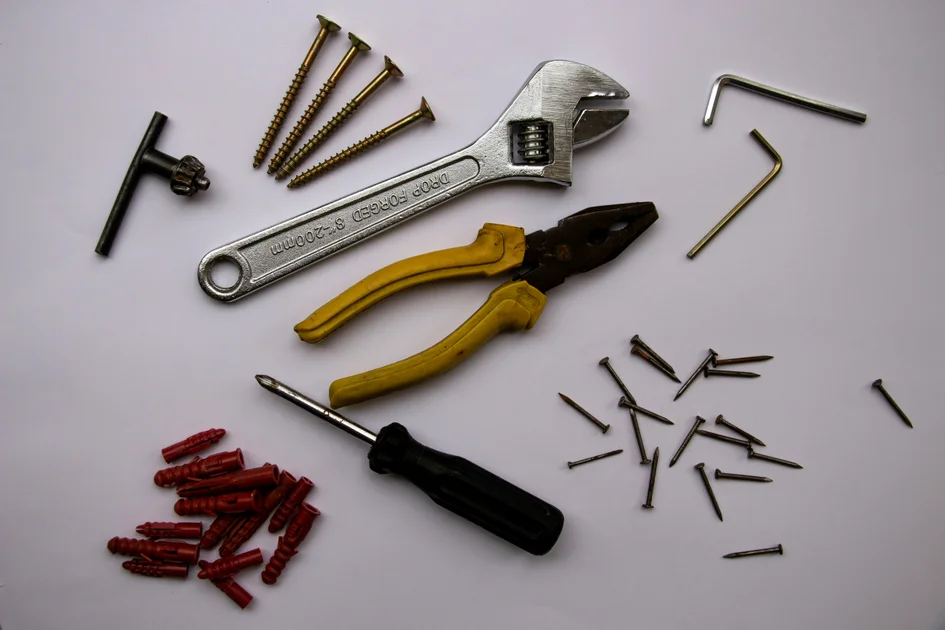

Preventive home maintenance tips that save money are the silent engines of financial stability for the modern homeowner in 2026. While many view property care as a burdensome chore, industry insiders recognize it as a high-yield investment strategy that prevents catastrophic capital loss. By systematically addressing minor structural degradations before they escalate into systemic failures, you effectively insulate your household budget from the volatile spikes of emergency repair costs. This investigative deep dive pulls back the curtain on the trade secrets that professional contractors and savvy real estate investors use to maintain property value while minimizing overhead. When you treat your home as a depreciating asset that requires constant calibration, you transform from a reactive consumer into a proactive steward of your most significant financial asset.
The Hidden Costs of Neglect

The industry standard for annual maintenance budgeting is often cited as one percent of your home’s total value, yet most homeowners ignore this benchmark until a crisis occurs. A simple water leak behind a vanity, if left unchecked for three months, can lead to mold remediation costs exceeding ten thousand dollars in 2026. Professional inspectors have noted that the majority of structural insurance claims stem from deferred maintenance rather than “acts of God” as defined by policy fine print. By ignoring the hairline cracks in your foundation or the slow drip of a HVAC condensation line, you are essentially gambling with your equity.
There is a psychological trap known as the maintenance-aversion cycle, where the lack of visible damage creates a false sense of security. Contractors frequently encounter homeowners who prioritize cosmetic upgrades like kitchen backsplashes over critical envelope sealing or roof flashing inspections. When the envelope is breached, the subsequent water damage destroys those very upgrades, creating a double loss scenario. Expert property managers suggest maintaining a digital ledger of all service intervals to ensure that your home remains in peak operational condition throughout the calendar year.
HVAC and Energy Efficiency
Your HVAC system is the lungs of your home, and in 2026, the cost of specialized components has surged due to global supply chain adjustments. Regularly cleaning your evaporator coils and replacing high-efficiency pleated filters can extend the lifespan of your unit by up to five years. Technicians often report that nearly half of all service calls for unit failure could be avoided through simple, quarterly maintenance routines. Investing in a smart thermostat that tracks system health alerts is no longer a luxury; it is a vital tool for early failure detection.
The Seasonal Filter Protocol
Most homeowners mistakenly believe that filter changes are only necessary during peak cooling months. However, the accumulation of dust and particulate matter during the shoulder seasons puts significant strain on the blower motor, leading to premature burnout. Establish a non-negotiable schedule to swap filters every ninety days regardless of the local climate. This practice not only preserves mechanical integrity but also optimizes indoor air quality, reducing the burden on your family’s respiratory health and cutting energy consumption by up to fifteen percent annually.
Plumbing and Water Management
Water is the silent destroyer of property value, and managing your plumbing system requires more than just calling a plumber when a pipe bursts. In 2026, many insurance companies are mandating the installation of automated water shut-off valves for homes over a certain age. These devices, which can be integrated into your smart home hub, detect abnormal flow patterns and terminate the water supply before a minor leak becomes a structural nightmare. Regularly flushing your water heater to remove sediment buildup is another critical, yet frequently overlooked, maintenance task.
Sediment accumulation acts as an insulator at the bottom of your tank, forcing the heating elements to work harder and consume more electricity or gas. By draining a few gallons from your heater annually, you ensure maximum thermal efficiency and prevent the dreaded “lukewarm shower” syndrome that plagues aging systems. Furthermore, inspect all visible supply lines under sinks and behind toilets for signs of mineral crusting or dampness. These small, white, chalky deposits are the primary warning signs of a failing connection that will eventually fail under pressure.
Cost & Pricing Breakdown
| Maintenance Task | Estimated DIY Cost | Pro Service Cost | Risk of Neglect |
|---|---|---|---|
| HVAC Filter Change | $15 – $30 | $100+ | System Failure |
| Gutter Cleaning | $0 | $150 – $300 | Roof/Foundation Rot |
| Water Heater Flush | $20 | $200 – $400 | System Inefficiency |
| Exterior Sealing | $50 | $500+ | Pest/Water Damage |
Quick Facts & Statistical Insights
Industry data from 2026 indicates that for every one dollar spent on preventive maintenance, homeowners save approximately seven dollars in emergency repair costs. Statistics show that properties with documented maintenance logs sell for an average of 4.2 percent more than identical homes without such records. Most structural damage claims are denied by insurance companies due to evidence of “long-term seepage” that could have been identified through visual inspections. Expert inspectors recommend a professional roof assessment every three years to maintain the integrity of your home’s primary weather barrier.
Exterior Envelope Integrity
The exterior envelope of your home is your first line of defense against the elements. Over time, caulk around window frames and door casings dries, cracks, and loses its ability to seal out moisture. In 2026, the rise in extreme weather events makes the annual inspection of your siding, roofing, and foundation seals an absolute necessity. You can find detailed guides on sealing techniques at InterNACHI, which provides comprehensive resources for identifying potential entry points for water and pests.
Do not overlook the importance of grading your landscaping away from the foundation. If the soil around your home settles, it creates a depression that collects rainwater, directing it straight toward your basement or crawlspace walls. Adding a few bags of topsoil to correct the slope is a low-cost, high-impact task that prevents hydrostatic pressure from cracking your foundation. Keeping trees and shrubs trimmed at least three feet away from the siding also prevents moisture retention and discourages termite activity, ensuring your home remains a fortress against nature.
Frequently Asked Questions
How often should I have a professional inspect my roof?
It is recommended to have a professional roof inspection every three years, or immediately following any major wind or hail storm, to identify missing shingles or loose flashing.
Are smart home sensors worth the investment for maintenance?
Yes, sensors for leak detection and humidity monitoring provide real-time alerts that can prevent catastrophic damage, often paying for themselves after a single incident.
What is the most ignored maintenance task in the home?
Cleaning out dryer vents is frequently overlooked, yet it is a leading cause of residential fires and significantly reduces the efficiency of your laundry appliances.
Does regular maintenance really increase resale value?
Absolutely, as potential buyers and inspectors view a well-maintained home as a lower-risk investment, often leading to faster sales and fewer price concessions during negotiations.
Can I do most of these tasks myself to save money?
Most basic maintenance tasks are well within the capability of an average homeowner, provided you have the right tools and follow safety guidelines for working at heights.
Conclusion
Mastering preventive home maintenance tips that save money is not merely about preserving your walls and floors; it is about securing your financial future in 2026. By shifting your mindset from reactive repair to proactive stewardship, you prevent the erosion of your home’s equity and ensure a safe, comfortable living environment. Start by creating a seasonal checklist, investing in basic diagnostic tools, and staying consistent with your inspection schedule. Your home is a living entity that responds to care; treat it with the attention it deserves, and it will continue to serve as a reliable foundation for your life for decades to come.