

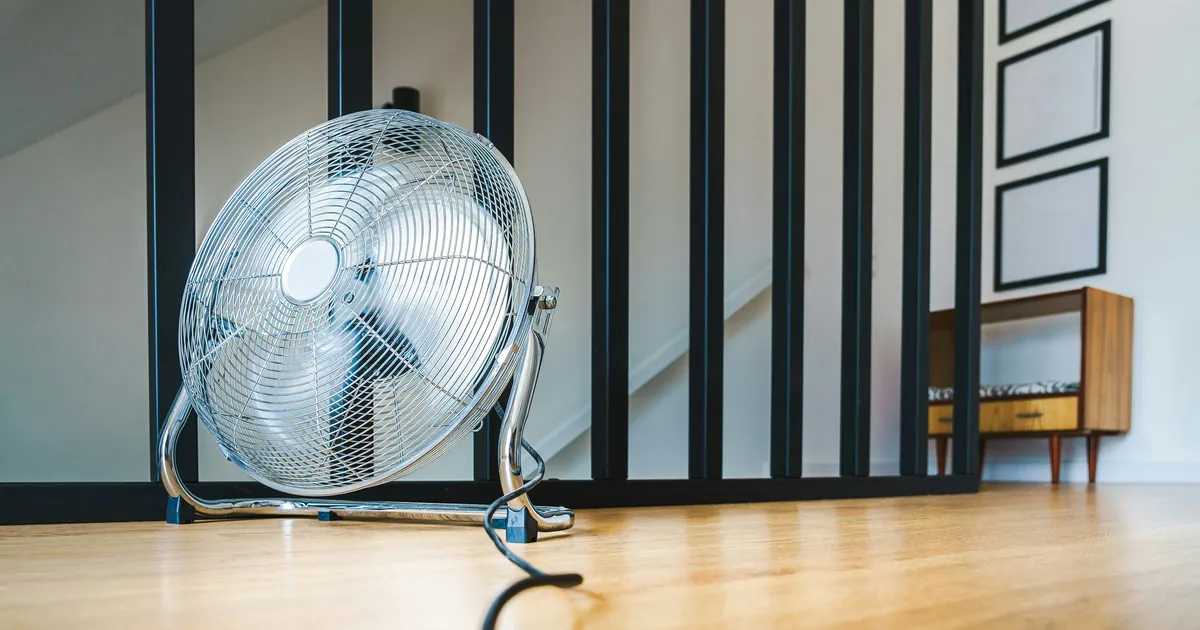

The air inside our homes, often assumed to be safe, can actually be two to five times more polluted than outdoor air. This invisible challenge impacts everything from our sleep quality and concentration to long-term respiratory health. Thankfully, mastering effective home ventilation improvement tips for better air quality doesn’t require a complete overhaul; often, it’s about understanding simple strategies. Imagine a home where every breath feels fresh, allergens and stale odors are things of the past, and your family’s well-being is genuinely supported. Let’s explore practical ways to transform your indoor atmosphere starting today.
Embrace Natural Airflow: Simple, Immediate Steps
Many people underestimate the power of basic natural ventilation. Simply opening windows and doors strategically can create a cross-breeze that flushes out stale air and introduces fresh oxygen. This practice is especially effective in the mornings or evenings when outdoor air quality is generally better and temperatures are mild. Even a few minutes of cross-ventilation daily can significantly reduce indoor pollutants, humidity, and volatile organic compounds (VOCs), making a noticeable difference in how your home feels.
To maximize this effect, consider opening windows on opposite sides of your home. This creates a clear path for air to flow through, carrying pollutants out and drawing fresh air in. For instance, after cooking, open kitchen windows along with an adjacent room’s window to quickly dissipate odors and grease particles. This straightforward approach is not only cost-effective but also provides immediate relief from stuffiness, even helping regulate indoor temperatures. It’s a foundational step for home ventilation improvement, offering tangible benefits you can feel right away.
Strategic Spot Ventilation: Targeting High-Moisture Zones
While natural ventilation is a great start, certain areas in your home demand more focused attention due to high moisture and pollutant generation. Bathrooms and kitchens are prime examples. A steamy shower or a sizzling pan can quickly elevate humidity levels, creating an ideal breeding ground for mold and mildew, which are significant allergens. The EPA consistently emphasizes controlling moisture to prevent mold growth. Running your bathroom exhaust fan during and for 15-20 minutes after a shower, or using your kitchen range hood every time you cook, are non-negotiable practices for maintaining healthy indoor air quality.
These spot ventilation fans are designed to capture pollutants and moisture at their source, expelling them directly outside. When choosing or upgrading fans, look for models with a high CFM (Cubic Feet per Minute) rating, indicating air-moving capacity, and low sones for quiet operation. Regular cleaning of fan grilles and ensuring proper ducting to the outside, not into an attic, are crucial for effectiveness. Investing in these targeted solutions is a smart move for improving your home’s air quality and protecting your property from moisture-related damage, ensuring a healthier living environment for years to come.
Whole-House Solutions: Investing in Continuous Exchange
For a truly comprehensive approach to home ventilation improvement, particularly in modern, tightly sealed homes, whole-house ventilation systems are increasingly essential. Systems like Heat Recovery Ventilators (HRVs) and Energy Recovery Ventilators (ERVs) continuously bring in fresh outdoor air while exhausting stale indoor air. They recover heat or cooling from outgoing air, transferring it to incoming fresh air, minimizing energy loss. This means constant fresh air without drastically increasing energy bills, a major concern for many homeowners in 2026.
Consider Sarah, who suffered from chronic allergies despite a spotless home. After installing an HRV, she noticed a dramatic reduction in symptoms within weeks, attributing it to consistent filtered, fresh air exchange. These systems are particularly beneficial in climates with extreme temperatures, as they pre-condition incoming air. They also help dilute persistent indoor pollutants like pet dander or off-gassing from building materials. Consulting an HVAC professional can determine the right system for your home’s size and climate, offering a powerful, long-term solution for superior indoor air quality.
Optimizing Your HVAC: More Than Just Temperature Control
Your existing heating, ventilation, and air conditioning (HVAC) system plays a far greater role in your home’s air quality than just maintaining comfortable temperatures. Many modern HVAC units are designed to circulate and filter air, but their effectiveness heavily depends on proper maintenance and appropriate filter choices. Ignoring routine filter changes can lead to clogged systems that circulate dust and allergens more efficiently than fresh air. Regular professional servicing ensures your system operates at peak efficiency, cleaning the air effectively and prolonging its lifespan, saving you money.
Upgrading your HVAC filter is one of the simplest yet most impactful home ventilation improvement tips. Standard fiberglass filters only trap larger particles, but a higher MERV (Minimum Efficiency Reporting Value) rated filter, typically MERV 8-13 for residential use, can capture smaller pollutants like pet dander, pollen, and some bacteria. Always check your HVAC system’s specifications to ensure it can handle a higher MERV filter without straining the unit. Combining this with regular duct cleaning will significantly enhance the overall cleanliness and freshness of your circulating air.
Smart Air Purification & Monitoring: Beyond Ventilation
While ventilation focuses on exchanging air, sometimes a multi-pronged approach is necessary to tackle stubborn indoor air pollutants. High-efficiency particulate air (HEPA) purifiers, for instance, can capture 99.97% of airborne particles 0.3 microns in size, including dust mites, pet dander, and mold spores. Placing these units in bedrooms or living areas can provide an extra layer of protection, particularly for individuals with allergies or asthma. Emerging technologies in 2026 are also bringing more sophisticated purification methods like UV-C light, targeting viruses and bacteria without harmful byproducts, offering peace of mind.
Understanding Air Quality Monitors
You can’t manage what you don’t measure. Indoor air quality (IAQ) monitors are increasingly affordable, providing real-time data on various pollutants, including particulate matter (PM2.5), VOCs, CO2, and humidity. Many homeowners are surprised by what these devices reveal, prompting adjustments to ventilation habits or identification of hidden pollution sources. For example, a spike in PM2.5 during cooking confirms the need for diligent range hood use. This insight empowers you to make informed decisions proactively, transforming the invisible into something actionable for health and comfort.
Integrating smart home devices with your ventilation strategy takes control to the next level. Imagine smart thermostats adjusting ventilation based on outdoor air quality or humidity sensors automatically triggering exhaust fans. These advancements allow for an automated, optimized indoor environment. Beyond technology, simple habits like choosing low-VOC paints and cleaning products, vacuuming with a HEPA filter, and keeping air-purifying indoor plants can further complement efforts. It’s about creating a holistic strategy where ventilation, purification, and conscious choices work together for unparalleled air quality.
Key Takeaways
- Prioritize Natural Airflow: Regularly open windows and doors for cost-effective air exchange, especially in the mornings and evenings.
- Utilize Spot Ventilation: Always use bathroom exhaust fans and kitchen range hoods to control moisture and pollutants at their source.
- Consider Whole-House Systems: HRVs and ERVs offer continuous fresh air exchange with minimal energy loss, crucial for modern, sealed homes.
- Maintain Your HVAC & Filter Smartly: Regular professional servicing and upgrading to higher MERV filters significantly improve your system’s air cleaning capabilities.
Frequently Asked Questions
How often should I open my windows for ventilation?
Aim for at least 10-15 minutes, twice a day, especially after waking up or before bed. If you’re cooking, cleaning, or have many people indoors, increase the frequency and duration to quickly clear out pollutants and stale air. Even short bursts of cross-ventilation can make a significant difference in your home’s air freshness.
Can indoor plants really improve air quality?
While indoor plants do contribute to air purification, their impact on overall indoor air quality in a typical home is relatively small compared to dedicated ventilation systems or air purifiers. They can help with minor levels of certain VOCs and add humidity, but they shouldn’t be your sole strategy for significant home ventilation improvement.
What is the ideal indoor humidity level for air quality?
The ideal indoor humidity level for both comfort and air quality typically ranges between 30% and 50%. Maintaining this range helps prevent the growth of mold, dust mites, and bacteria, while also avoiding issues like dry skin or static electricity that can arise from excessively low humidity. Use a hygrometer to monitor your levels.
Is it possible to over-ventilate my home?
While fresh air is good, excessive ventilation, especially with older, leaky homes, can lead to increased energy costs as conditioned air is lost too quickly. Modern whole-house systems like HRVs and ERVs are designed to provide controlled, energy-efficient ventilation. For natural ventilation, simply closing windows when not needed prevents over-ventilation and energy waste.
Conclusion
Improving your home’s ventilation is a powerful investment in your family’s health and comfort. From simple daily habits like opening windows to integrating advanced whole-house systems, every step contributes to a fresher, healthier living environment. Don’t let invisible pollutants compromise your well-being. By implementing these home ventilation improvement tips, you’re not just clearing the air; you’re creating a sanctuary where every breath supports a vibrant, energetic life. Take the first step today – assess your current ventilation, choose a tip that resonates, and begin your journey to superior indoor air quality.