


As the industrial landscape shifts toward total jobsite electrification, the implementation of high-torque, brushless motor technology has redefined the performance benchmarks for portable cutting tools. Understanding the essential safety equipment and maintenance tips for using cordless circular saws is no longer just a matter of basic operational knowledge but a requirement for maintaining structural integrity and operator longevity in 2026 environments. These modern saws utilize sophisticated lithium-ion or solid-state battery architectures that deliver instantaneous peak current, necessitating a deeper technical understanding of mechanical tolerances and electronic fail-safes. By integrating rigorous maintenance schedules with advanced protective gear, engineers can mitigate the idiosyncratic risks associated with high-RPM cordless DC motors, such as unexpected thermal runaway or torque-induced kickback. This article explores the convergence of mechanical precision and occupational safety standards required for professional-grade applications.
Advanced Optical and Auditory Protection Protocols
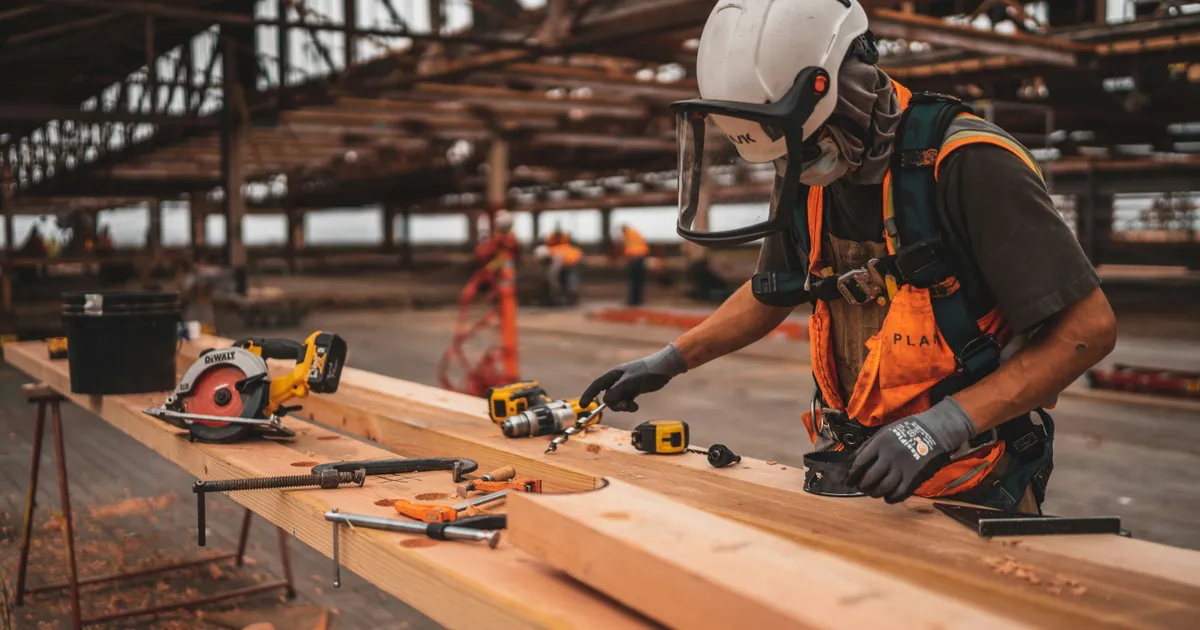
The primary hazard profile of a cordless circular saw involves high-velocity particulate ejection and sustained acoustic pressure levels. In 2026, standard safety glasses are often insufficient for high-density composite cutting; instead, engineers specify ballistic-rated eyewear compliant with ANSI Z87.1+ standards, featuring anti-fog coatings and peripheral shields to prevent ocular penetration from fragmented carbide tips. These optical solutions must maintain a high VLT (Visible Light Transmission) rating to ensure the operator can clearly see the cut line without chromatic aberration. Furthermore, the integration of face shields provides an additional layer of protection against larger debris that can bypass standard spectacles during heavy-duty rip cuts in pressure-treated lumber.
Auditory protection must account for the specific frequency harmonics generated by brushless DC motors, which often produce high-frequency whining in addition to the mechanical noise of the blade engaging the substrate. Utilizing electronic noise-canceling muffs that maintain a high NRR (Noise Reduction Rating) while allowing for ambient speech communication is critical for jobsite situational awareness. According to safety guidelines from OSHA, prolonged exposure to noise levels exceeding 85 decibels necessitates consistent use of hearing protection to prevent permanent sensorineural hearing loss. Engineers should regularly inspect the seals of these muffs to ensure that the acoustic attenuation remains within the specified tolerances for the duration of the work shift.
Battery Thermoregulation and Cycle Longevity
The power density of modern cordless saws places extreme thermal stress on the battery cells and the internal Battery Management System (BMS). To optimize the lifecycle of high-capacity packs, it is essential to monitor the internal resistance of the cells, as excessive heat buildup during deep cuts can lead to accelerated chemical degradation or thermal throttling. Maintenance involves keeping the battery contact points clean using isopropyl alcohol to ensure low-resistance electrical conductivity, which prevents localized arcing and heat generation at the terminal interface. Storing these energy units in temperature-controlled environments is also paramount, as extreme fluctuations can destabilize the electrolyte chemistry and reduce the total watt-hour capacity over time.
Furthermore, the 2026 generation of smart chargers provides diagnostic data regarding cycle counts and cell balancing, which should be reviewed periodically to identify underperforming packs before they fail during critical operations. Rapid charging protocols, while convenient, should be alternated with standard charging cycles to minimize the formation of metallic lithium dendrites within the cells. It is also advisable to avoid deep discharge cycles; keeping the state of charge (SoC) between 20% and 80% can significantly extend the operational life of the battery. By adhering to these thermoregulation strategies, engineers ensure that the saw maintains consistent torque output and minimizes the risk of catastrophic battery failure during high-load applications.
Blade Kinematics and Kerf Management
Blade selection and maintenance are the most critical factors influencing both cut quality and motor efficiency in cordless circular saws. The use of thin-kerf blades is highly recommended for cordless platforms because they remove less material, thereby reducing the mechanical load on the motor and extending battery runtime per charge. These blades must be inspected daily for “gumming”—the buildup of pitch and resin—which increases friction and heat. Cleaning the blade with specialized solvents prevents this accumulation from inducing lateral blade deflection, which can lead to binding and dangerous kickback scenarios. Additionally, checking for missing or chipped carbide teeth is vital, as an unbalanced blade creates vibration that accelerates bearing wear.
The Mechanics of Anti-Kickback Integration
Kickback occurs when the blade becomes pinched or stalled in the kerf, causing the saw to be violently propelled back toward the operator. Modern cordless saws often incorporate electronic clutches or “brake” systems that detect sudden changes in RPM and cut power to the motor in milliseconds. However, the mechanical riving knife remains the most effective physical deterrent by keeping the cut material separated behind the blade. Ensuring the riving knife is perfectly aligned with the blade’s plane and properly gapped—typically within 3mm to 8mm of the teeth—is a non-negotiable maintenance step for safe operation in thick stock or reactive timber.
Beyond the riving knife, the operator must understand the role of the lower blade guard’s retraction speed and spring tension. A sluggish guard can expose the spinning blade after the cut is completed, leading to accidental lacerations or damage to the workpiece. Lubricating the guard’s pivot point with a dry PTFE-based lubricant—rather than grease, which attracts sawdust—ensures that the guard snaps back into position instantaneously. This mechanical reliability, combined with the electronic sensors found in 2026 models, creates a redundant safety system that protects the user even when the material exhibits unpredictable internal stresses during the cutting process.
Precision Calibration of the Shoe and Arbor
For a circular saw to operate safely, the relationship between the blade and the baseplate (or shoe) must be perfectly parallel. Any deviation, or “toe-in/toe-out,” forces the blade to track at an angle, increasing the coefficient of friction and the likelihood of the motor overheating or the blade stalling. Engineers should use a dial indicator or a precision machinist’s square to verify that the blade is parallel to the edge of the shoe at both the front and rear of the blade. If misalignment is detected, the adjustment screws on the shoe assembly must be calibrated to bring the tool back into tolerance, ensuring that the saw glides effortlessly through the material without binding.
Equally important is the inspection of the arbor and the blade flanges for runout and debris. Even a microscopic layer of sawdust trapped between the flange and the blade can cause the blade to wobble, leading to poor cut quality and increased stress on the arbor bearings. During every blade change, the arbor nut and flanges should be wiped clean, and the arbor itself should be checked for any signs of scoring or deformation. Proper torque must be applied to the arbor bolt; over-tightening can stress the threads and make future changes difficult, while under-tightening can allow the blade to slip under load, creating a significant safety hazard for the operator.
Advanced Particulate Mitigation Strategies
The inhalation of fine wood dust and crystalline silica is a significant long-term health risk that requires sophisticated mitigation strategies. Modern cordless saws are increasingly equipped with integrated dust ports that facilitate the connection of HEPA-filtered vacuum systems. Utilizing a vacuum with wireless tool control allows the extractor to activate automatically when the saw is triggered, ensuring that the majority of airborne particulates are captured at the source. According to research from NIST, effective source extraction can reduce respirable dust concentrations by over 90%, significantly lowering the risk of chronic respiratory conditions among professional tradespeople.
In addition to active extraction, the use of a properly fitted N95 or P100 respirator is essential when working in enclosed spaces or with hazardous materials like MDF and pressure-treated lumber. Maintenance of the saw’s internal dust blowers and channels is also necessary to prevent the buildup of debris within the motor housing, which can impede airflow and lead to thermal shutdown. Regularly clearing the vents with compressed air ensures that the cooling fan can maintain the optimal operating temperature for the electronic components. By combining active extraction with personal respiratory protection, the operator maintains a clean workspace and protects their long-term physiological health.
Electronic Diagnostic and Firmware Maintenance
In 2026, the distinction between mechanical and electronic maintenance has blurred, as cordless saws now feature sophisticated on-board computers that govern motor timing and safety protocols. Many professional-grade saws include Bluetooth connectivity for field diagnostics, allowing engineers to monitor tool health, battery cycles, and even trigger counts via a smartphone application. Keeping the tool’s firmware updated is a vital maintenance step, as manufacturers frequently release patches that optimize the electronic brake’s response time or improve the efficiency of the brushless motor’s commutation. These updates can enhance the sensitivity of kickback detection systems, providing a safer user experience through software optimization.
Physical maintenance of the electronic interfaces is also required to ensure signal integrity between the battery and the tool. The communication pins, which transmit data regarding cell temperature and voltage, must be kept free of oxidation and debris to prevent communication errors that could cause the tool to enter a “limp mode” or fail to start. Using a dedicated electronic contact cleaner can help maintain these connections without damaging the sensitive plastic housings. By treating the cordless saw as a precision electronic instrument rather than a blunt mechanical tool, engineers can maximize the performance and safety of their equipment throughout its operational lifecycle on the modern jobsite.
Key Takeaways
- Ballistic-Rated PPE: Always utilize ANSI Z87.1+ eye protection and NRR-rated hearing protection to mitigate high-velocity debris and motor harmonics.
- Thermal Management: Maintain battery contacts and monitor internal resistance to prevent thermal runaway and extend the lifecycle of lithium-ion cells.
- Blade Integrity: Use thin-kerf, carbide-tipped blades and keep them free of resin buildup to reduce motor strain and prevent binding.
- Mechanical Alignment: Regularly calibrate the saw shoe and arbor to ensure the blade remains perfectly parallel to the cut path, minimizing kickback risk.
- Dust Extraction: Prioritize the use of HEPA-filtered vacuums and respirators to manage respirable particulates and maintain tool cooling.
- Firmware Updates: In 2026, ensure the tool’s software is current to optimize electronic safety features like the motor brake and kickback sensors.
Frequently Asked Questions
How often should I calibrate the saw’s baseplate?
Calibration should be checked after any significant drop, heavy impact, or at the start of a major project. For daily professional use, a weekly verification using a precision square is recommended to ensure the blade hasn’t shifted out of alignment with the shoe edge.
Can I use any brand of blade with my cordless saw?
While most blades are compatible if the arbor size and diameter match, it is crucial to use thin-kerf blades specifically designed for cordless tools. Standard full-kerf blades increase the mechanical load significantly, which can overheat the motor and drastically reduce battery life.
What is the most common cause of kickback on a cordless saw?
The most common cause is the blade pinching in the kerf due to material movement or the user “steering” the saw mid-cut. This is exacerbated by dull blades or a lack of a riving knife, which allows the back of the blade to catch the wood and propel the tool upward.
How do I know if my battery is reaching the end of its life?
Key indicators include a significant drop in runtime, the tool stalling under moderate loads, and the battery getting excessively hot during charging or use. Many 2026 smart batteries will also indicate a “service required” status through their integrated LED or mobile app diagnostics.
Is it safe to use compressed air to clean the saw?
Yes, but it should be done carefully. Use low-pressure compressed air to blow dust out of the motor vents and battery terminals. Avoid blowing air directly into the bearings or seals, as this can force fine dust inside and cause premature mechanical failure.
Conclusion
Maintaining a high-performance cordless circular saw requires a holistic approach that integrates mechanical precision, electronic diagnostics, and rigorous safety protocols. By prioritizing the essential safety equipment and maintenance tips for using cordless circular saws, professionals can ensure that their tools operate at peak efficiency while minimizing the risks of injury or equipment failure. As we navigate the technological advancements of 2026, the synergy between hardware maintenance and software optimization becomes the cornerstone of jobsite safety. Investing time in calibration and the proper selection of PPE is not merely a recommendation but a fundamental requirement for the modern engineer.